
Hello everyone, and welcome to a slightly unusual Fresh Look column where we are talking about a business sim, and how it and other games can serve as useful resources in education. I am wrapping up my final graduate degree, and it’s hard to describe how excited I am to soon have more time for gaming and other creative pursuits. But before I get there, my capstone course gave me an unexpected excuse to spend time with a business sim that has completely hooked me. As part of the coursework, we have to play a game called Sim Companies to test how successfully we can build a business.
Sim Companies is free to play and unlike many modern titles, it does not really lean into pay-to-win mechanics. Players can spend money for a few extra manufacturing slots and executive positions, but those are not necessary to build a successful company. The in-game currency is stars, and every day that you produce goods or expand your company, you earn five stars. The overall goal is simple: build a thriving business. You begin with a few food industry operations and learn the basics of production, sales, and supply chains. Every Thursday, Sim Companies even publishes an in-world newspaper that tracks shifts in player behavior across the economy and reports random events affecting different industries. That is a smart touch and helps the whole thing feel more alive.
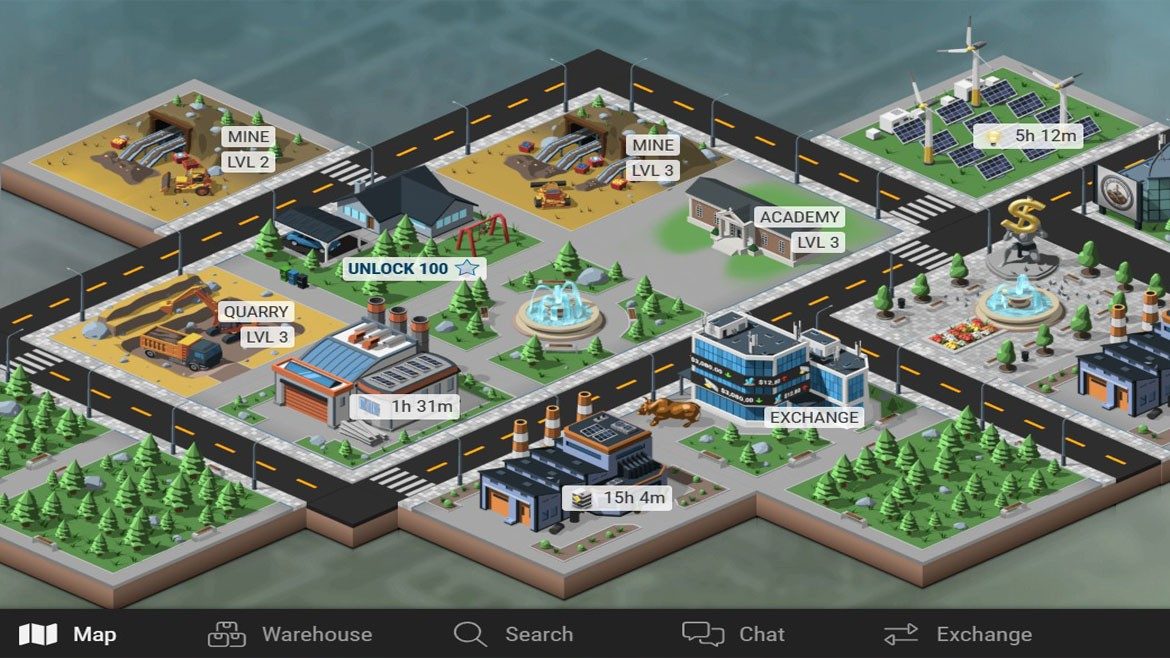
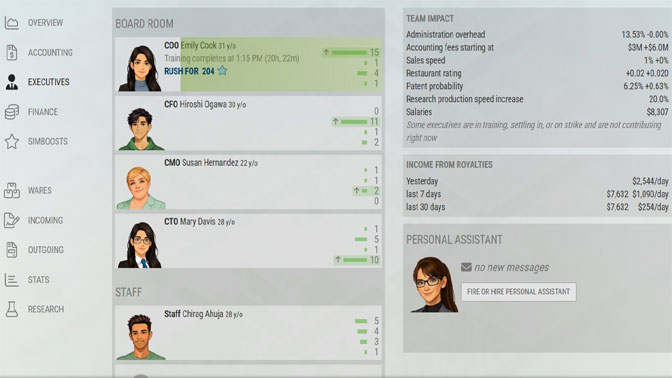 What makes Sim Companies especially interesting is its depth and the fact that it relies on a player-driven economy. While it’s possible to build many of your own production inputs, there are only so many slots available for factories, stores, and support structures. Realistically, you cannot do everything in-house. That means you have to buy some materials on the exchange from other players, and it also means that the players selling those items have to constantly balance profit margins against actually moving inventory. Some players even work out contracts directly with each other in order to bypass the exchange all together so they can buy or sell in bulk. It creates an economy that feels much more dynamic than something driven by predictable AI routines.
I first pivoted away from food and into fashion by focusing on designer handbags. My business was almost fully integrated, right down to energy production and leather manufacturing. The only major input I still had to purchase was cattle, which I then processed into the leather needed for production. But eventually the market became flooded with handbags from other players, which caused both exchange prices and retail values to collapse. That forced me to scrap most of my factories and retail outlets and pivot again, this time into mining and electronics. I found that fascinating. It was a reminder of how many directions players can take in the title, and how quickly market conditions can reward or punish a strategy.
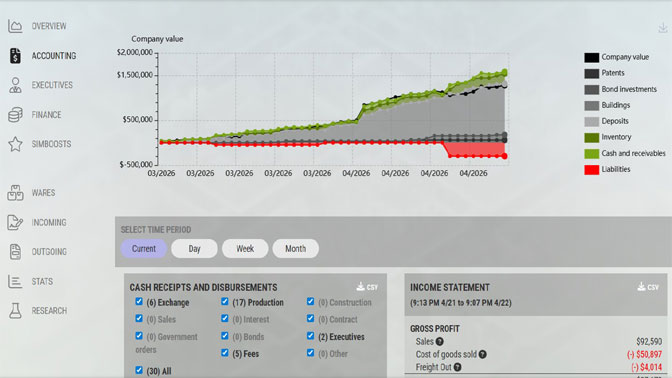 More than anything, Sim Companies showed me how education can benefit from using games in thoughtful ways. The overlap between video games and educational tools is not always huge, but this one offers a very good blueprint. Business classes could absolutely use simulations like this to let students from multiple schools compete and adapt in a fluid economic environment. AI opponents in games have come a long way over the years, but they can still become predictable to anyone who is good at spotting patterns. Human players are different. They can be stubborn, erratic, opportunistic, or surprisingly helpful depending on how they see the situation. That unpredictability is valuable.
You can imagine similar ideas applying to other fields too. Military history students, for example, could face off in strategy games like Total War: Rome, Tom Clancy’s EndWar, or The Last General. Complex sims give students a chance to adapt in real time, and they often make lessons more memorable than simply reading about them. There is also value in the conversation that follows. Talking with the person you competed against, whether they are a classmate or someone from another school, can reveal how they interpreted your decisions and what biases or blind spots you may not have realized you had. That kind of reflection is valuable in any learning environment.
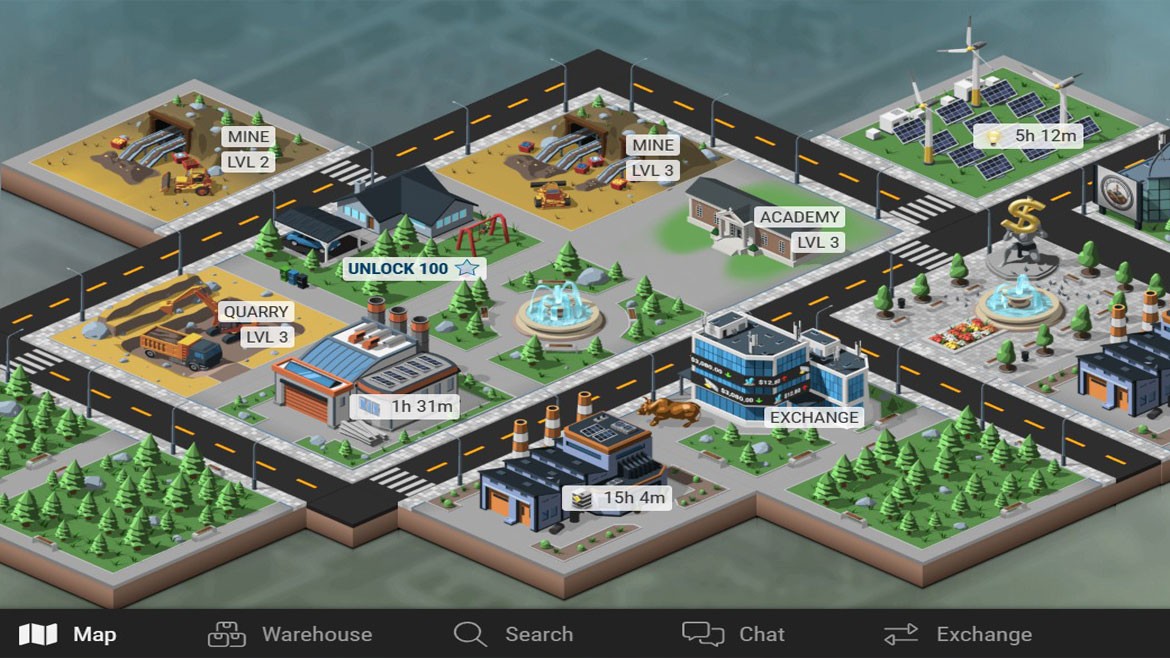 To be clear, I am not saying video games should be used to replace traditional teaching. They are a tool, not the entire toolbox. You cannot just play a game and instantly know everything about a subject area. But when used thoughtfully, they can create more active and memorable ways to learn like a business sim has for my capstone course. Sim Companies has made that point better than I expected, and it did so while being genuinely fun to play. And that seems like a pretty good lesson in itself.
Now, with my pretty fun homework completed, I am off to get ready for the NFL Draft. Go Packers!