
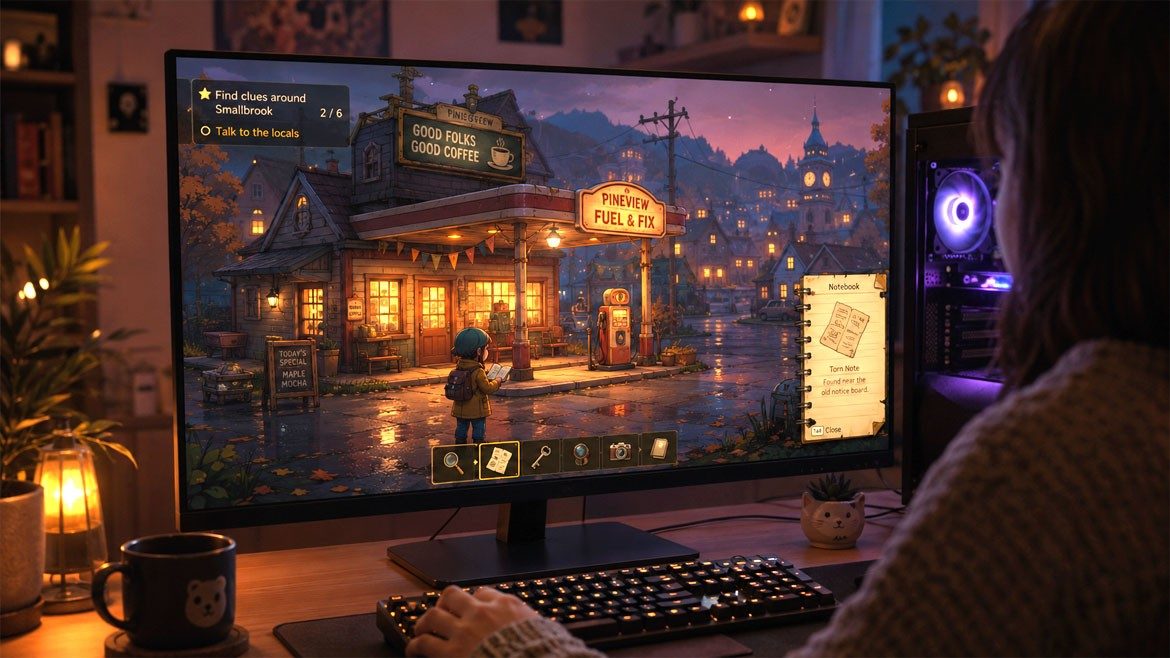
Cozy games are no longer a small niche within the wider games market. Their softer pacing, welcoming worlds and low pressure design have helped them become one of the most recognizable trends in modern gaming.
For years, many of the biggest gaming conversations focused on scale, difficulty, competition and technical spectacle. Players were often sold on massive open worlds, demanding combat systems or online rankings that rewarded constant improvement. Those experiences still matter, but the rise of cozy games shows that a large audience also wants something gentler. Games built around farming, decorating, crafting, exploration and social connection have become a major part of the market. In the same way that digital entertainment now stretches from streaming platforms to online spaces such as Crazytower, gaming itself has expanded to include more relaxed experiences that fit different moods, routines and player needs.
Relaxed design gives players a different kind of reward
Cozy games often work because they replace pressure with comfort. Instead of asking players to master difficult mechanics or compete against others, they reward small acts of care and progress. Planting crops, arranging furniture, helping characters, collecting materials or improving a village can create a satisfying rhythm without the stress of failure.
This kind of design does not mean the games are shallow. In many cases, cozy titles are built around long term goals, careful resource management and personal expression. The difference is that the pace is usually controlled by the player. There may be tasks to complete, but the experience rarely depends on punishment or urgency. That makes cozy games especially appealing to people who want gaming to feel like a break rather than another source of pressure.
The emotional reward is also important. A cozy game often makes the player feel productive, creative or connected. Even a short session can provide a sense of progress. This makes the genre well suited to modern routines, where many players may not have time or energy for long, intense sessions every day.
Indie studios helped turn cozy play into a movement
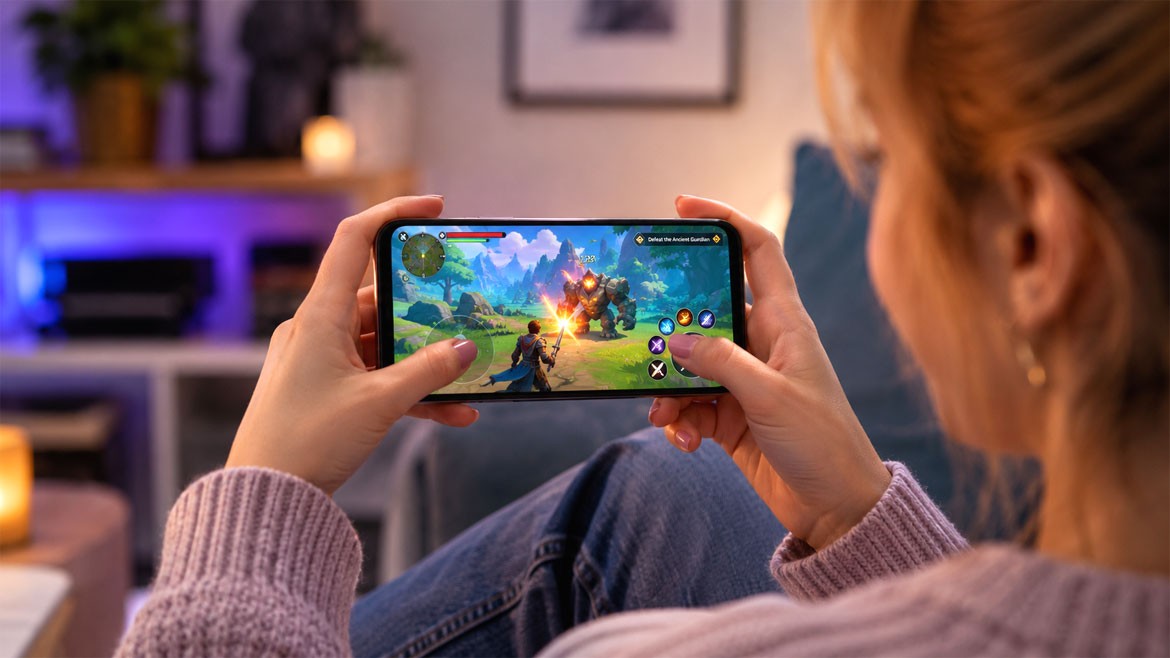 The cozy game trend has been shaped strongly by independent developers. Smaller studios often have the freedom to focus on mood, theme and player feeling rather than chasing blockbuster expectations. That has allowed many cozy titles to build clear identities around art style, music, character writing and calm interaction.
Indie developers also understand the power of community. Cozy games often grow through social media, streamers, fan art and recommendation chains. A charming trailer, a memorable visual style or a relatable theme can help a small game find a large audience before release. Players who enjoy these games often share their experiences because the tone feels personal and inviting.
This community driven growth has made cozy games more visible across the industry. Publishers now pay closer attention to games that promise warmth, creativity and comfort. The result is a wider market where cozy mechanics appear in farming sims, life sims, puzzle games, management games and even adventure titles. The genre has become less about one formula and more about a design philosophy.
Cozy games show how player expectations are changing
The success of cozy games says something important about what players now expect from the medium. Not every game needs to be loud, difficult or competitive to feel meaningful. Many players want games that respect their time, reduce stress and allow them to engage at their own pace.
This change is also connected to a broader conversation about wellbeing in games. Accessibility options, flexible difficulty and calmer gameplay loops all point toward a market that is becoming more aware of different player needs. A cozy game can still have challenge, but it usually presents that challenge in a way that feels manageable rather than punishing.
For the wider industry, cozy games are a reminder that emotional tone is a powerful design tool. A game can succeed because it feels safe, beautiful, funny, familiar or kind. Those qualities are not secondary to gameplay. They are part of what makes players return.
As more studios explore softer experiences, cozy games are likely to remain an important part of modern gaming. They have shown that comfort can be commercially strong, creatively rich and culturally relevant. In a market often defined by speed and spectacle, the quiet appeal of cozy design has become impossible to ignore.