

We’re all witnessing that the gaming world is unwinding more quickly than ever. Buying a disc and playing solo at home is a thing of the past. Now, players want instant access to their favorite games and freedom to show off their digital identity. And they want the capability to connect with friends on any device. This has pushed developers to rethink how they create, share, and monetize games to meet these new demands.
Furthermore, expensive hardware is no longer a barrier to joining the global gaming community. Gamers are moving away from old hardware limits and choosing flexible, on-demand platforms that fit their busy lives. Five big changes are modifying the rules for both players and creators. To comprehend these changes, start by looking at why digital items are now seen as status symbols.
Five Massive Shifts Rewriting the Rules of Gaming Today
The old divisions between PC, console, and mobile gamers are gone. Studios now make games for players who switch between devices throughout the day. The Boston Consulting Group Video Gaming Report 2026 says this shift to platform convergence is creating a new era for industry revenue. Today’s players just want to log in and find their friends, no matter what device they use. Here is what’s hot in gaming right now:
1: Cosmetic Economies
Virtual fashion has become the top status symbol for today’s players, especially Gen Z. They are happy to pay extra for unique looks. Sometimes, even choosing style over improving their gameplay. High-fashion brands now launch exclusive digital clothing lines to meet this demand. These rare items can be as valuable as luxury goods in real life.
Limited seasonal drops and open trading markets also get this community involved. Collectors trade rare weapon skins/character outfits on special web platforms. Many players use reliable third-party sites to buy CS2 skins safely, without strict limits. As your virtual wardrobe grows, you might notice that who you play with becomes more important than where you play.
2: Cross-Platform Gaming
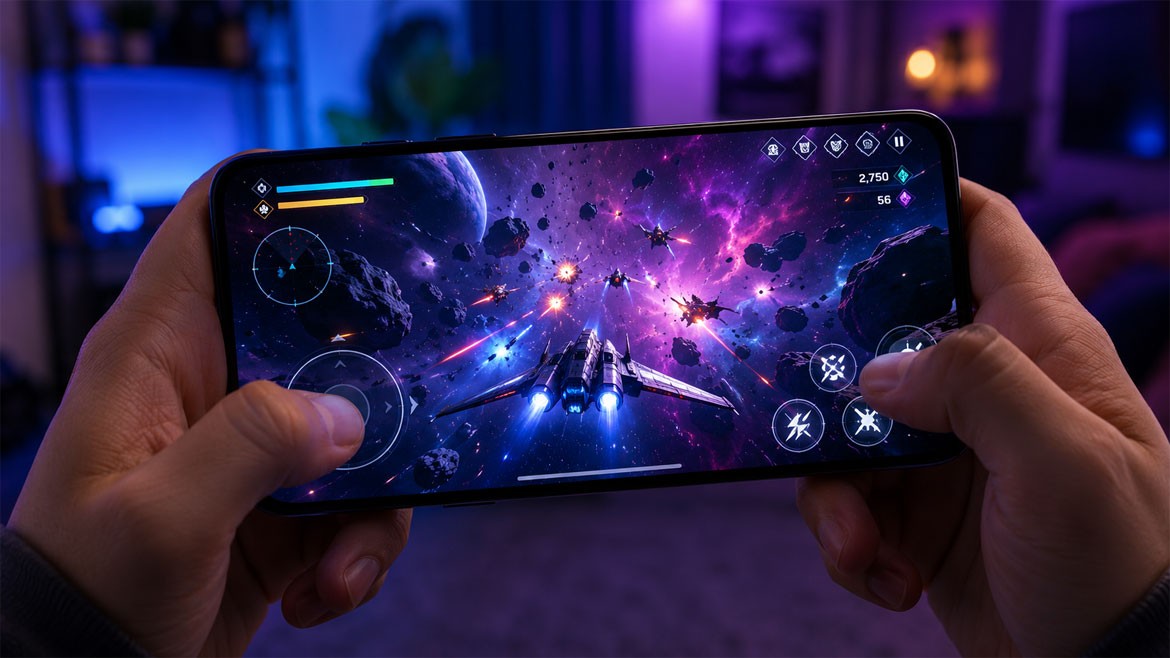 Brand rivalries between hardware makers don’t matter much to today’s multiplayer teams. Developers now build competitive games with universal networking. It connects all kinds of devices. Friends can easily play together via their consoles or desktop computers, and even smartphones. Removing these old barriers means more people in lobbies and shorter wait times for matches.
Because of this, hardware makers now focus on service instead of locking players into their own systems. Cross-play is now expected for any big game that wants to keep players coming back. The Unity Game Development Report 2026 says 72% of studios now make cross-play a top priority to keep players involved. Even when you play with friends, how you connect is changing, since you don’t always need a console anymore.
3: Browser Gaming
Web technology has improved enough. It now challenges old ways of distributing games. A player can now skip long downloads and storage problems just by launching his/her favorite games directly from a web link. Modern browsers deal with complex graphics easily. This simple access turns basic web portals into powerful places for high-quality gaming.
Apart from this, social messaging apps also bring many players to these web-based games through instant play links in chat channels. Small studios can now build complex co-op games that don’t need hardware setup or licenses. This easy click-and-play style attracts busy people looking for quick entertainment during short breaks. If a browser isn’t powerful enough, the cloud can do the heavy lifting.
4: Cloud Gaming
Thanks to fast cellular networks, powerful computing hardware is moving from home desks to remote server farms. As a result, distant data centers can now process complex graphics and stream the results directly to home screens. It allows even basic smartphones and smart TVs to run demanding games without slowdowns. Because all of the heavy lifting happens in the cloud, people no longer need to buy expensive new chips every few years.
Better infrastructure in cities around the world keeps input lag so low that ordinary players don’t notice it. People now subscribe to huge cloud gaming libraries, much like video-on-demand services. The device you use is just a lens on a powerful remote system. Once these barriers are gone, the biggest change is in how developers earn money.
5: Free-to-Play Growth
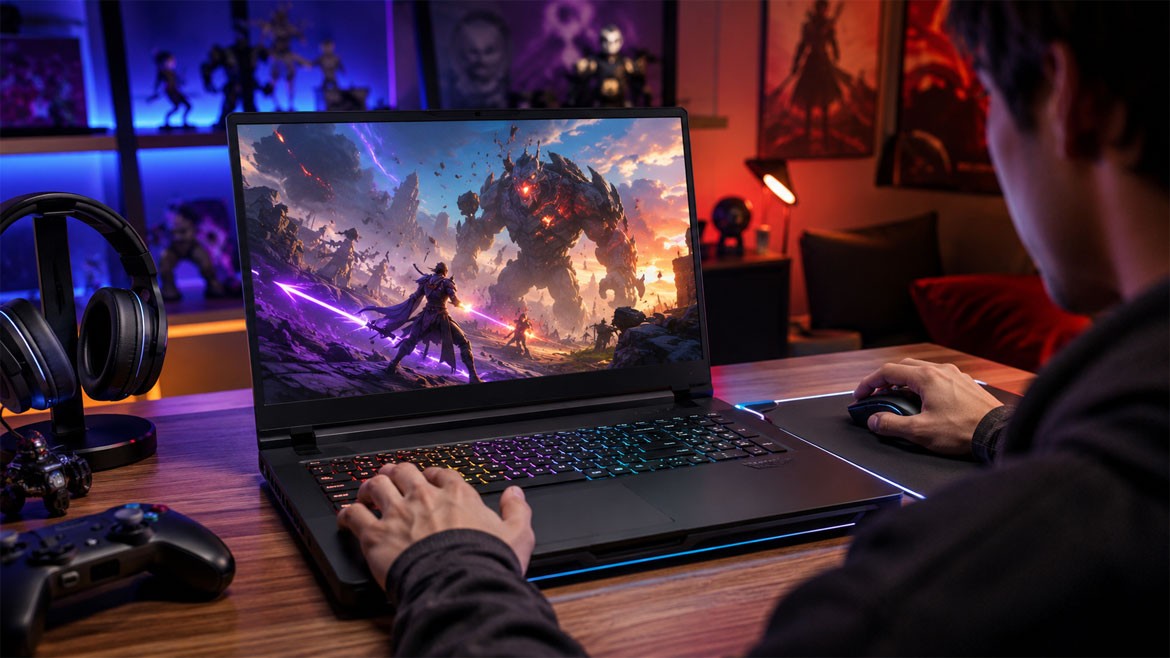 The old way of charging an upfront fee for a game is also fading. Now, premium live-service updates bring new content for years, and new players don’t have to pay right away. These free-to-play systems now see the most ongoing marketplace activity.
Making games free to start lets them attract tens of millions of players in just days. Developers keep people interested by regularly adding new cosmetic options. This open approach means that the size of the community is now the main measure of a game’s success.
Conclusion
That is it! Gaming is open and accessible to everyone in 2026. It is no longer held back by hardware limits or special equipment. The change enables players from all over the world to socialize and build strong online communities. Today, self-expression is at the heart of this digital world, and millions create unique digital identities. Everyone can now stand out and shape their own gaming story thanks to the trends that have transformed the gaming world.