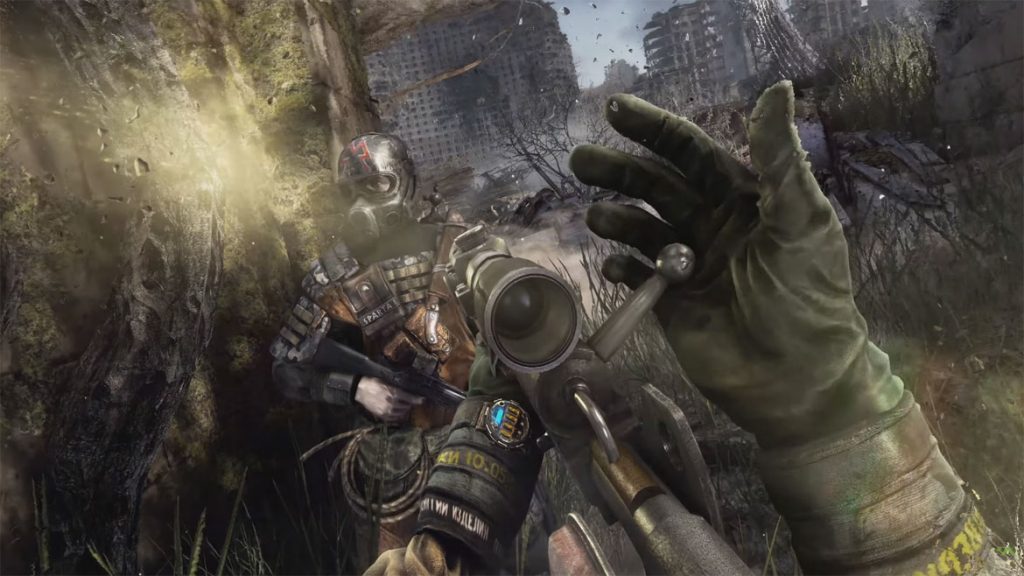


When I heard that Metro 2033 Redux and Metro: Last Light Redux were getting free next-generation updates, I was pretty excited. I’ve always considered the Metro series one of the best examples of how to combine intense first-person shooter action, realistic gunplay and surprisingly deep storytelling. Its post-apocalyptic world is dark, dangerous and filled with memorable characters, but the games were also beginning to show their age. So, when developer 4A Games announced it would be bringing both adventures up to modern graphical standards, I knew I would soon be heading back into those tunnels beneath Moscow.
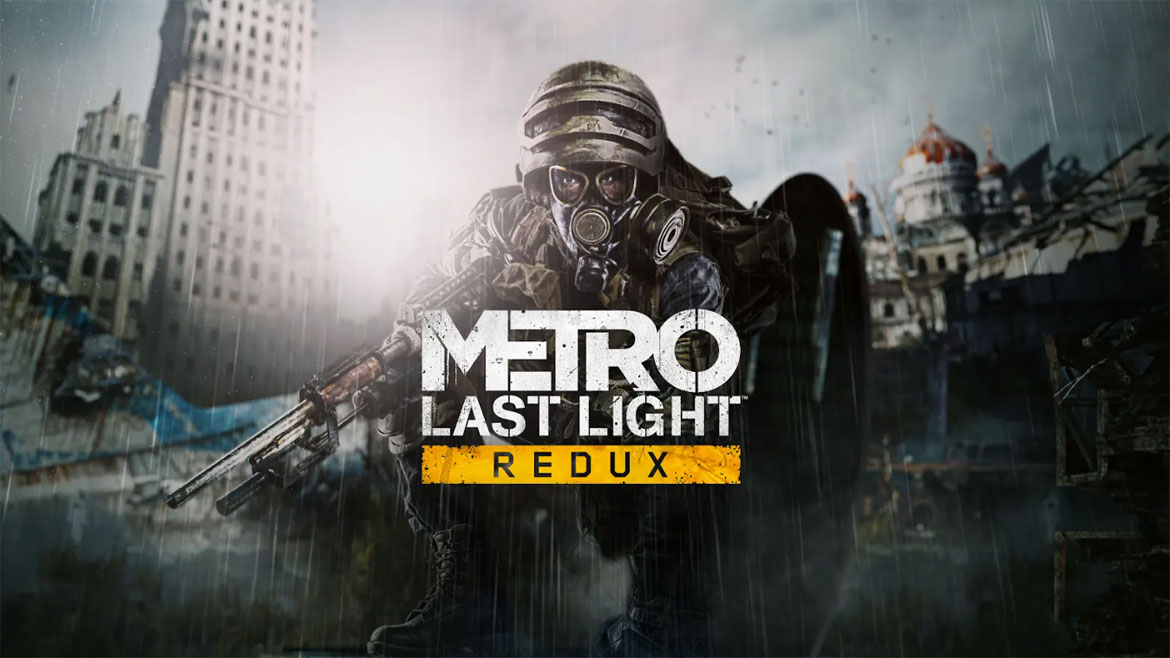 And the fact that these updates are completely free for most existing owners makes the announcement even better. The developers certainly didn’t have to return to two games originally released more than a decade ago, especially with Metro 2039 scheduled for February. Of course, encouraging players to revisit the older adventures is probably a pretty good way to generate excitement for the upcoming sequel. But if that’s part of the motivation, I certainly don’t mind. It’s a wonderful excuse to reexamine two excellent titles.
For this review, I concentrated primarily on Metro: Last Light Redux running on the Steam platform for the PC, although I also spent time with Metro 2033 Redux. I simply prefer the story in Last Light a little more, and I wanted to see how the next-generation improvements affected its particularly atmospheric environments. Because 4A Games announced the update schedule in advance, I was also able to play through several levels of the original, unpatched version before downloading the improvements. That gave me a good basis for comparing the old and new graphics instead of relying on memories of what it looked like years ago.
 I also reinstalled Metro Exodus on my gaming computer to provide another point of comparison. Exodus was released in 2019 and later received its own technical upgrade, so it was already much closer to a modern game than either of the Redux titles. I wanted to see how much ground the older adventures could make up with their newly enhanced visuals.
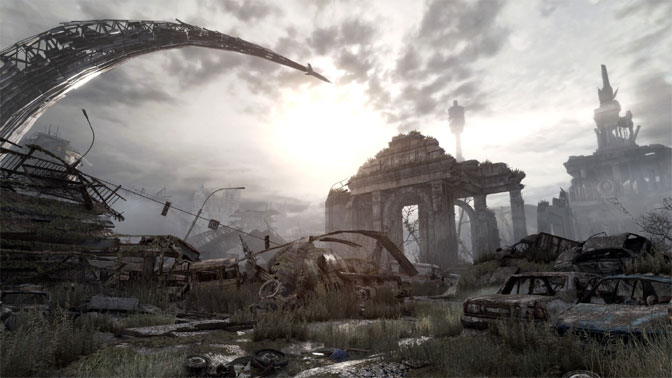
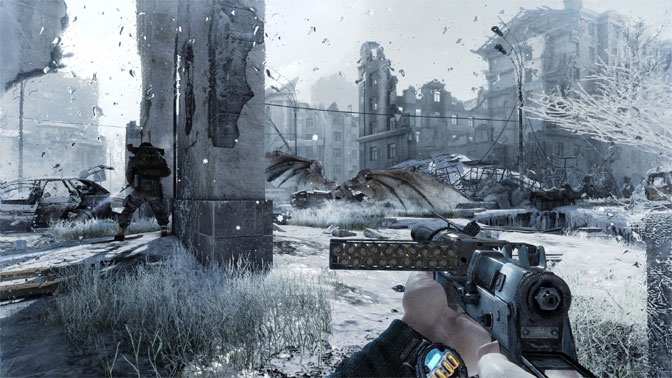
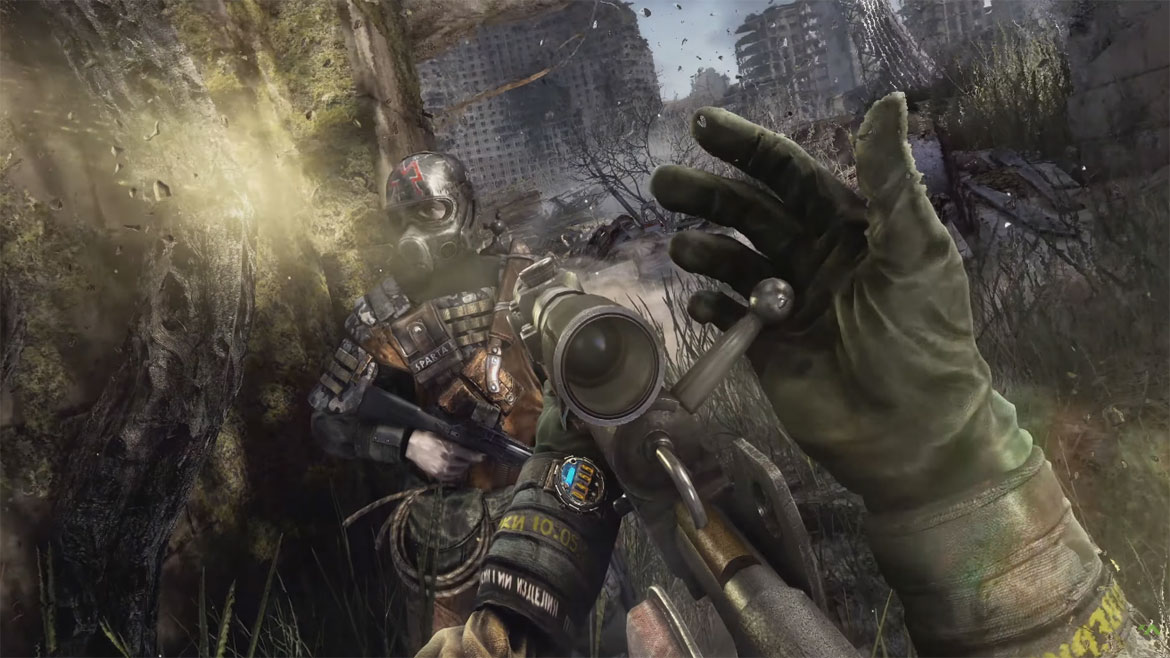
As it turns out, the difference between the original Redux presentation and the upgraded versions is pretty remarkable. The improvements are especially noticeable in the dark tunnels, abandoned stations and ruined environments that make the Metro series so memorable. The lighting is much more convincing, textures are sharper and the world generally feels more detailed and immersive. The developers haven’t fundamentally changed the gameplay or rebuilt the levels, but they’ve done an impressive job modernizing the atmosphere without losing what made these places special in the first place.
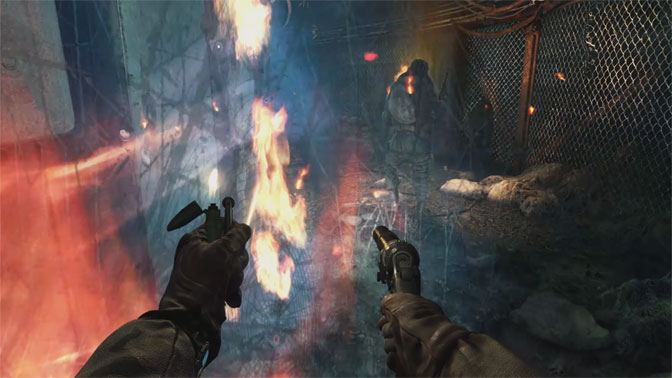
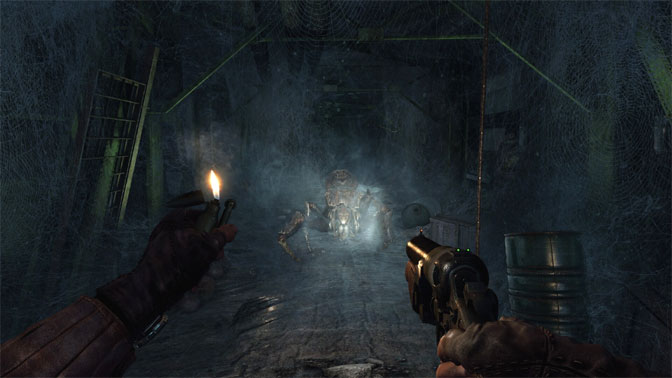 One of my favorite examples involves the dreadful spider-like creatures that inhabit some of the darker areas beneath Moscow. These things are sensitive to light, so keeping your flashlight trained on them is often essential to survival. With the upgraded lighting and smoother presentation, creeping through those tunnels while desperately trying to keep the creatures at bay feels even more tense than I remembered. The darkness seems more convincing, the light interacts more naturally with the environment and the entire experience becomes more unsettling.
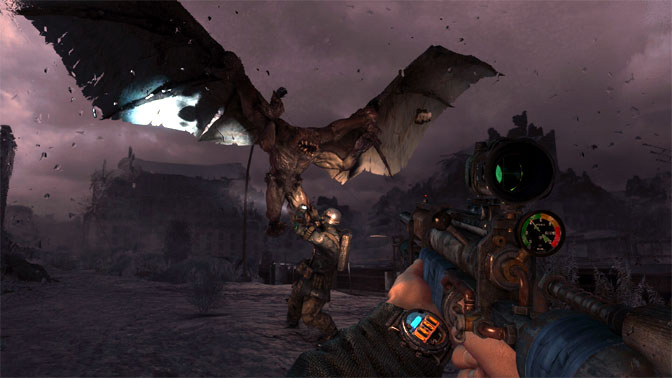
The improved performance also makes a noticeable difference during combat. Both Metro 2033 and Last Light feature some wonderfully intense firefights, especially when you’re being attacked by groups of aggressive mutants. After applying the update, I found it easier to move backward while defending myself, keeping my shotgun trained on charging enemies and placing shots accurately without the occasional hesitation I experienced before. The games were already playable and reasonably smooth, but the additional polish makes their action sequences feel more responsive.
That improvement reminded me somewhat of the major technical update for S.T.A.L.K.E.R. 2: Heart of Chornobyl, another Ukrainian-developed post-apocalyptic adventure I’ve spent considerable time playing. While the two series approach their worlds differently, both demonstrate how better performance and visual refinements can make familiar encounters more enjoyable without fundamentally changing the gameplay.
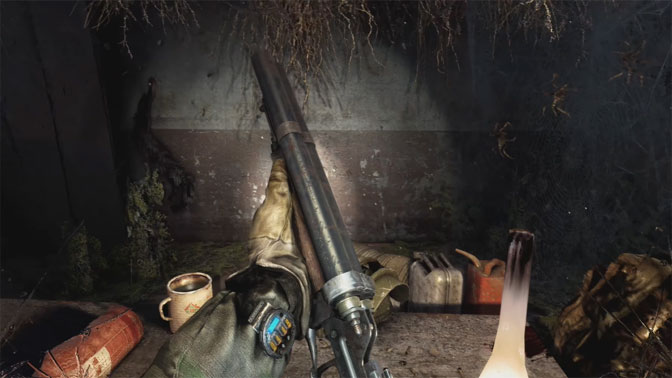 The Metro updates also introduce modern technical features, including support for higher-resolution textures and improved image quality. PC players benefit from additional graphics options, including modern upscaling technologies, while PlayStation 5 and Xbox Series X players can enjoy versions designed to take advantage of their newer hardware. Console features include 4K display modes, higher frame-rate options and enhanced controller support.
There are, however, a few caveats. Metro 2033 Redux and Last Light Redux date back to 2014, and no amount of graphical polishing can completely disguise their origins. These are not full remakes built using the latest version of the 4A Games engine. The original environments, character models and underlying artistic designs remain largely intact, even if they’re now presented with considerably greater fidelity.
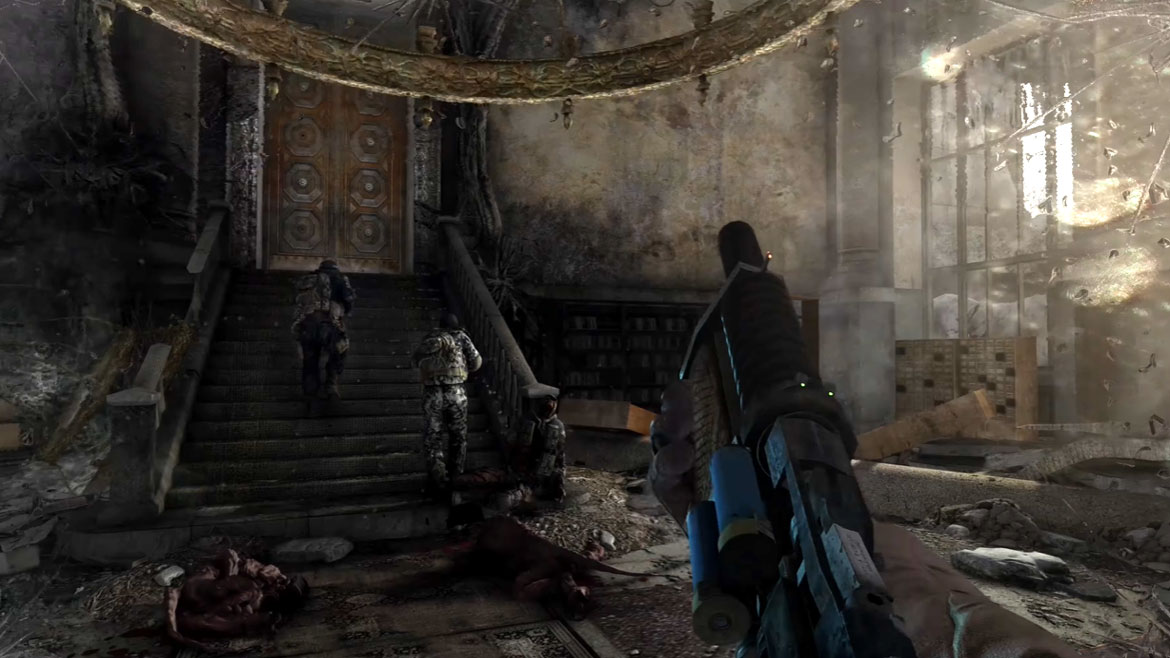 Character hair is probably the easiest place to spot the difference. There were moments when almost everything onscreen looked wonderful, but Anna’s hair seemed to sit on top of her head like molded plastic on a cheap doll. Anna is an important character in Last Light and was initially rather unfriendly toward Artyom before eventually becoming his wife by the time of Metro Exodus. She’s memorable for many reasons, but unfortunately, her hair isn’t always one of the graphical upgrade’s greatest achievements.
A few environmental details also betray the game’s age. Some subway trains and other large objects still resemble older computer-generated models rather than the more realistic structures we’ve become accustomed to seeing in modern titles. Thankfully, these shortcomings are relatively uncommon and rarely detract from the experience for very long.
Even with the updates, Last Light doesn’t quite reach the graphical quality of Metro Exodus. There are still moments when it has that slightly artificial appearance familiar from older titles such as Half-Life 2 or the original Vampire: The Masquerade – Bloodlines. Exodus generally looks more realistic, and I expect the upcoming Metro 2039 will push the series even further. But considering the age of the Redux games, the improvements are impressive.
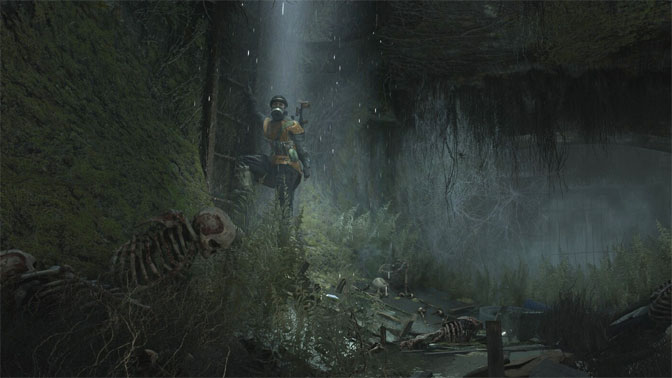 Of course, graphics were only part of the reason I wanted to return to the Metro. The other was the opportunity to experience these stories again. And I had almost forgotten just how good they are.
The Metro titles take place in a world devastated by nuclear war, where the surviving population has retreated into Moscow’s extensive subway system. Individual stations have become small settlements, while rival political factions, desperate survivors and terrifying mutants compete for control of the tunnels. Above ground, the ruined city remains a dangerous wasteland that requires protective equipment and careful preparation to explore.
Players follow Artyom, a young survivor whose adventures gradually become entangled with the larger mysteries and conflicts threatening everyone living underground. The series combines desperate survival with political intrigue, betrayals, moral questions and genuinely emotional moments. It has a depth that many shooters never attempt, much less achieve.
 I particularly enjoyed revisiting Last Light because I already knew where its story was heading. Major plot developments, including one memorable betrayal, obviously didn’t surprise me this time around. However, knowing what would happen allowed me to recognize subtle clues and conversations that I had overlooked during my earlier playthroughs. That’s one of the advantages of returning to a well-written adventure. You can appreciate not just the big moments but also the careful groundwork leading up to them.
The sound design remains another major strength. The Metro series has always excelled at making players feel trapped in a dangerous underground world, with unsettling noises, distant conversations, gunfire and the constant threat of something moving just beyond the reach of your flashlight. Those effects are still extremely effective, and the updated audio presentation makes returning to the tunnels even more enjoyable.
 It’s also worth emphasizing that 4A Games has wisely avoided trying to reinvent these classic adventures. The stories, missions, combat mechanics and overall progression remain familiar. The updates are designed to improve how the games look, sound and perform rather than replace what made them successful. And in my opinion, that’s exactly the right approach.
There is something special about returning to a favorite title and discovering that it plays almost exactly as you remember, only without as many of the technical limitations that once accompanied it. That’s what these upgrades accomplish. They preserve the character of the original adventures while making them feel considerably more comfortable on modern hardware.
 Perhaps most importantly, they make the games easier to recommend to people who have never experienced the series. I can understand why someone might hesitate to purchase a shooter that originally appeared more than a decade ago, particularly when so many visually impressive modern ones are available. But with the next-generation enhancements installed, Metro 2033 Redux and Last Light Redux no longer feel nearly as dated as their release years might suggest. And for longtime fans, the updates are an excellent opportunity to rediscover the stories, characters and environments that made the series so memorable.
The bottom line is that 4A Games has done something genuinely worthwhile here. By giving most existing owners free graphical, performance and audio improvements, the developer has breathed new life into two already excellent adventures. The results aren’t perfect, and the older character models and occasional dated environmental details still show through. But those are minor complaints compared with how much better the overall experience has become.
 Metro 2033 Redux and Metro: Last Light Redux were classics long before these updates arrived. Now they’re even easier to enjoy, whether you’re returning to Moscow’s underground for another adventure or descending into its dangerous tunnels for the very first time.
With Metro 2039 on the horizon, I can’t think of a better time to revisit the origins of this remarkable series. The next-generation upgrades are a wonderful gift to fans and a reminder that a great story and excellent gameplay can remain compelling long after the technology used to create them has aged.
The Moscow Metro is still a dangerous, frightening place. But thanks to these upgrades, it’s never been a better time to visit.