
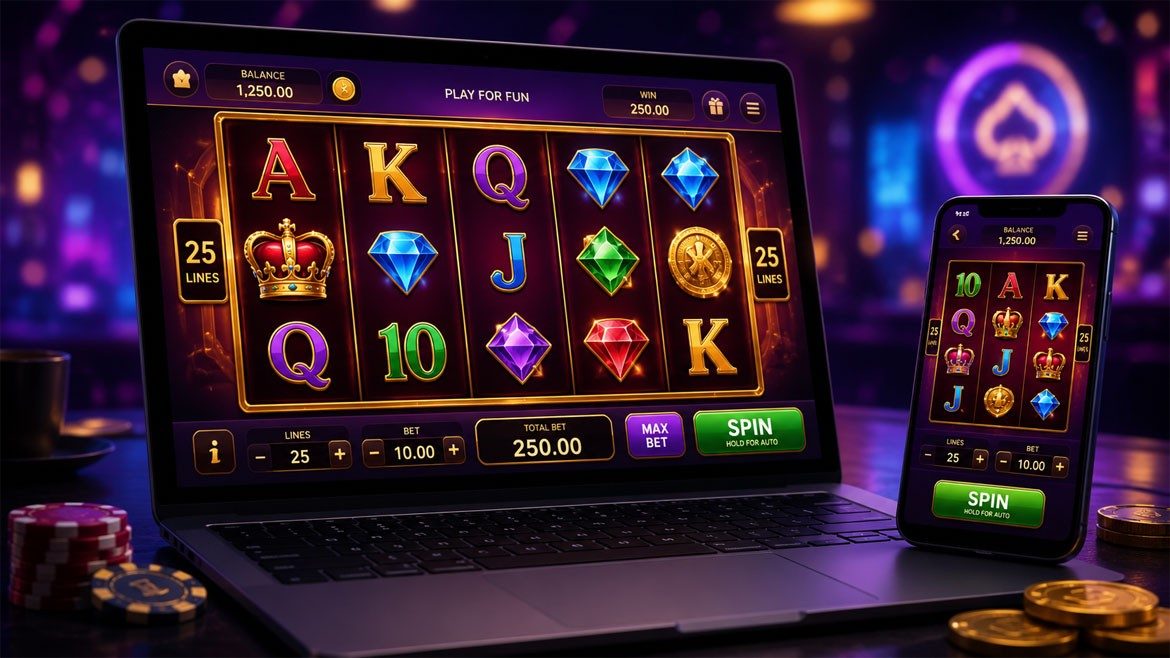
Open two casino lobbies on a phone and they can look identical: the same reels, the same bright lobby, the same welcome pop-up. One is a licensed real-money casino regulated by a state. The other is a sweepstakes platform operating on a legal theory that has been under heavy pressure all year. The gap between them is bigger than the screens suggest.
How the sweepstakes model works
 The model behind sweepstakes casinos runs on two virtual currencies. Gold Coins are bought, have no cash value and can be used to play. Sweeps Coins arrive free, as a bonus with a coin pack or through a no-purchase route such as a mail-in request, and can be redeemed for prizes once won. The no-purchase route is what the model depends on: because a player can get Sweeps Coins without paying, operators argue the activity is a promotion, not gambling.
A real-money online casino works without that layer. Players deposit cash, wager it and withdraw winnings, under a licence from a state regulator that sets rules on age checks, game testing, payouts and complaints. The sweepstakes version has none of that licensing framework, and the difference shows up at the point where something goes wrong.
Why states are tightening the rules
The tightening has been fast. Oklahoma’s ban took effect on Nov. 1, making it the sixth state this year to prohibit the platforms, after California, Tennessee, Indiana, Maine and Louisiana, according to Deadspin’s tally. New Jersey, Connecticut, Montana and New York had acted earlier, and attorneys general in other states have sent cease-and-desist letters or filed suits.
The gaming-press view of free-to-play has long treated giveaways as a growth tool, as in this look at developers giving players something for nothing. Regulators see the sweepstakes version differently. When the free currency can be turned into cash, they argue, the free layer stops being a giveaway and starts being the gambling product.
Legal landscape
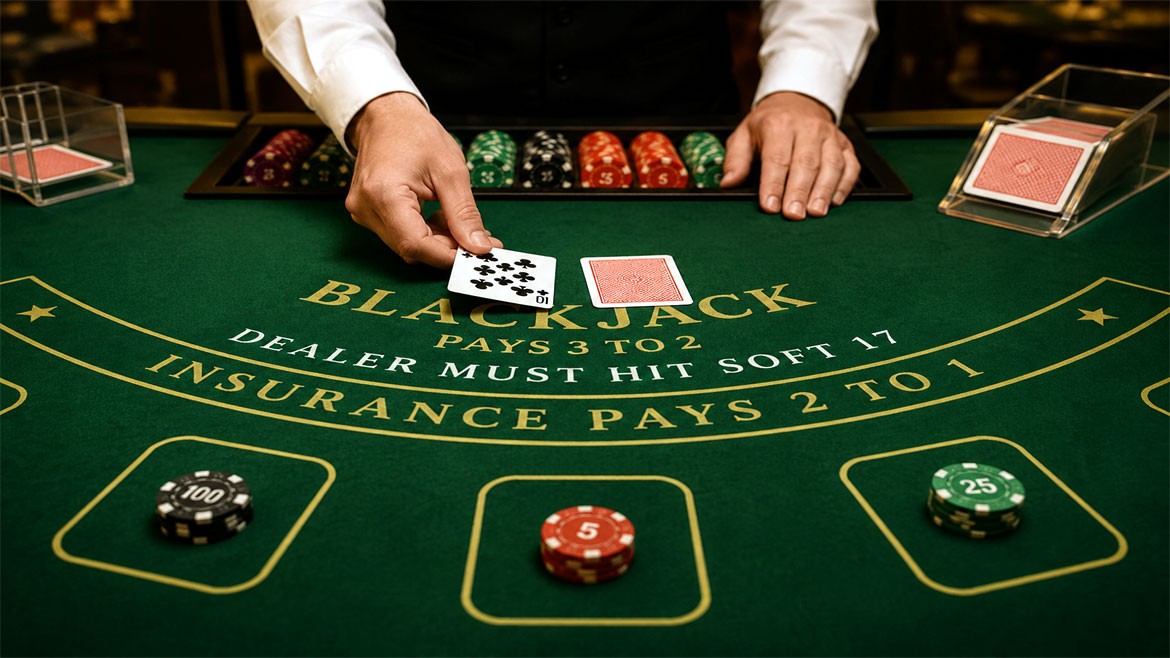 The clearest example of how seriously states are treating the issue is Oklahoma’s Senate Bill 1589, which the legislature passed over the governor’s veto in May. The bill’s official record shows a veto-override vote of 34 to 10 in the Senate on May 14. Industry reports describe the law as making dual-currency play a felony and reaching beyond operators to the platform, geolocation and media affiliate parties that support them.
That last point matters for anyone who publishes in the space. Several states now treat the promotion of unlicensed products as part of the problem, not as a bystander. For readers, the practical takeaway is that the label on a lobby says very little. The regulator’s name, and whether it exists, says a great deal.
What players should check
The first check is a name: which state regulator, if any, licenses the site. A real-money casino will state its licence and the state it covers. A sweepstakes platform will talk about promotions, coins and eligibility, and will list the states where it does not operate. The second check is the redemption page, because that is where the terms are written.
Third, players should confirm that their own state still allows the platform they are using. With bans arriving every few months, a site that was available in spring may not be available by winter, and accounts in a newly banned state can be restricted. Fourth, the money rules: how coin purchases are handled, what identity checks apply and how long a redemption takes.
One further difference is protection. A licensed real-money operator answers to a regulator that can fine it or pull its licence, and players can file a complaint with that agency. A sweepstakes operator answers mainly to its own terms of service and to whichever state attorney general decides to act.
The 2027 legislative calendar is the next test. State sessions open in January, and Oklahoma’s law gives other lawmakers a ready-made draft. Watch for bills that reach past operators to the payment and platform companies behind them, which is where the Oklahoma statute reached furthest, and for any state that chooses to license the model instead of banning it. The split between those two paths will shape what a sweepstakes lobby looks like in 2027, if it exists at all in a given state.