
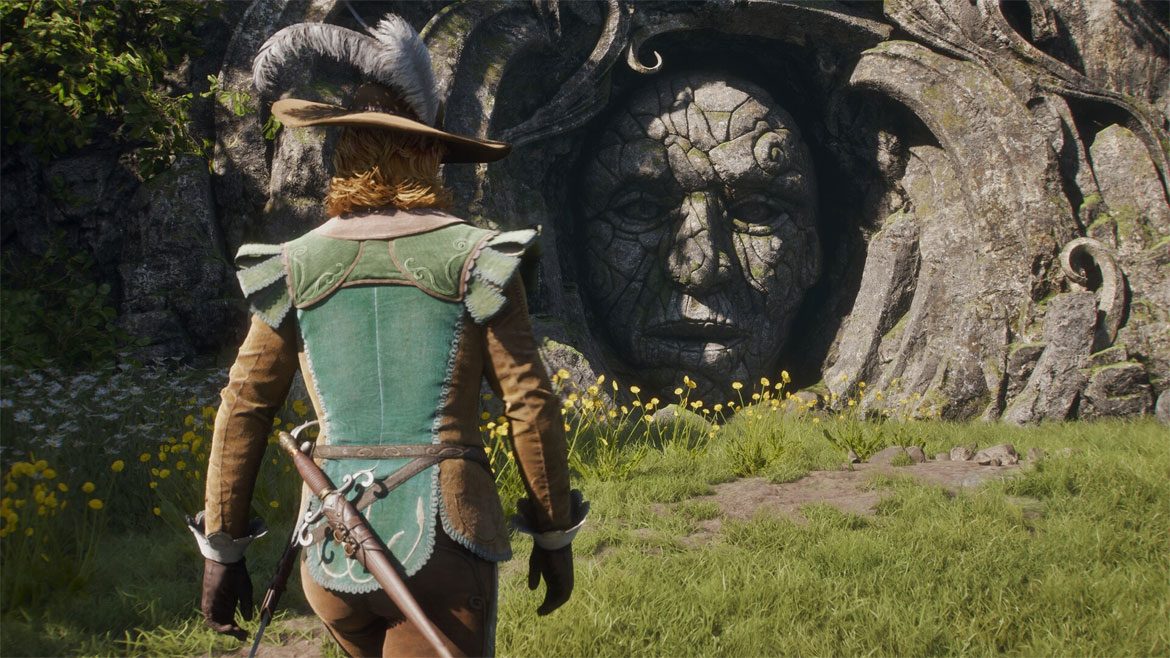
Although Albion appears to be more beautiful, beauty alone is never sufficient for giving uniqueness to this franchise. Playground Games promises an action RPG set in an open world that revolves around the theme of reputation, dysfunctional relationships, and tough choices. The new Fable game will be released on February 23, 2027, not in 2026 as previously announced by Xbox. Now, the expectations are not limited to the beauty of forests anymore.
Across digital entertainment, sites such as betoranje.org sit within discussions about new jackpot slots, where fresh themes and prize mechanics compete for attention. Albion provides a new kind of thing: Fantasy adventure based on decisions and not money. The two things are not linked in any way. Branding can attract interest, but it cannot say anything about whether an activity will be fun after its first hour of existence.
Fable 2026 became a waiting game
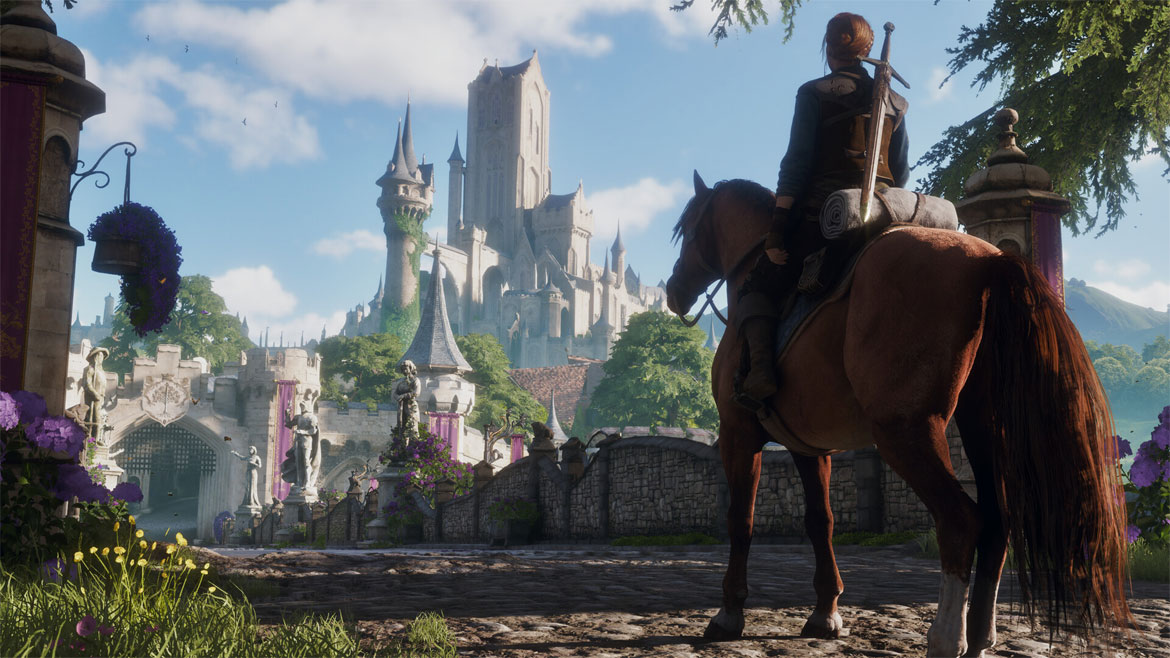 Release chatter has repeatedly outrun official information. Anyone still describing this as Fable 2026 is using outdated information. Standard release date from Xbox is February 23, 2027, while Premium Edition has early access on February 18. Versions that are confirmed are Xbox Series X|S and Windows PC. These are the access-related information, and they do not represent performance or stability at launch.
Speculation about scheduling is something to consider carefully. Not being part of an earlier release schedule does not mean development has gone to hell, and avoiding competition does not mean everything that goes on in production can be explained. Likewise, additional time doesn’t mean perfection. Without outside reviews, it’s still just speculation.
Fable reboot puts gossip ahead of heroics
Its most intriguing offer relates to the normal inhabitants. The Xbox Wire mentions more than 1,000 unique non-playable characters, who are imbued with certain personalities, jobs, homes and routines. Such people may become one’s friends, foes, employees and even mates. The point is that their life goes on beyond our sight; thus, it gives meaning to the settlement besides quest-giving.
The new Fable game ties reputation to individual reactions rather than merely advertising freedom. The villagers might appreciate behaviors that other people dislike. Buying some villager’s store makes you responsible for employing him/her, and buying a home from some villager makes you the landlord. The wages and rent therefore come into play. The employee who cannot pay for housing leaves, while the person who dislikes previous behavior refuses to work.
This Fable reboot built around such friction could restore something glossy fantasy adventures often lack: petty, memorable consequences. It’s great to save the settlement. It’s much funnier to be the disliked employer of those people. However, if every relationship turns into maintenance, then menus and economic calculation may overshadow these jokes. The issue here is whether systemic depth can yield some good stories.
Fable Game combat has nowhere to hide
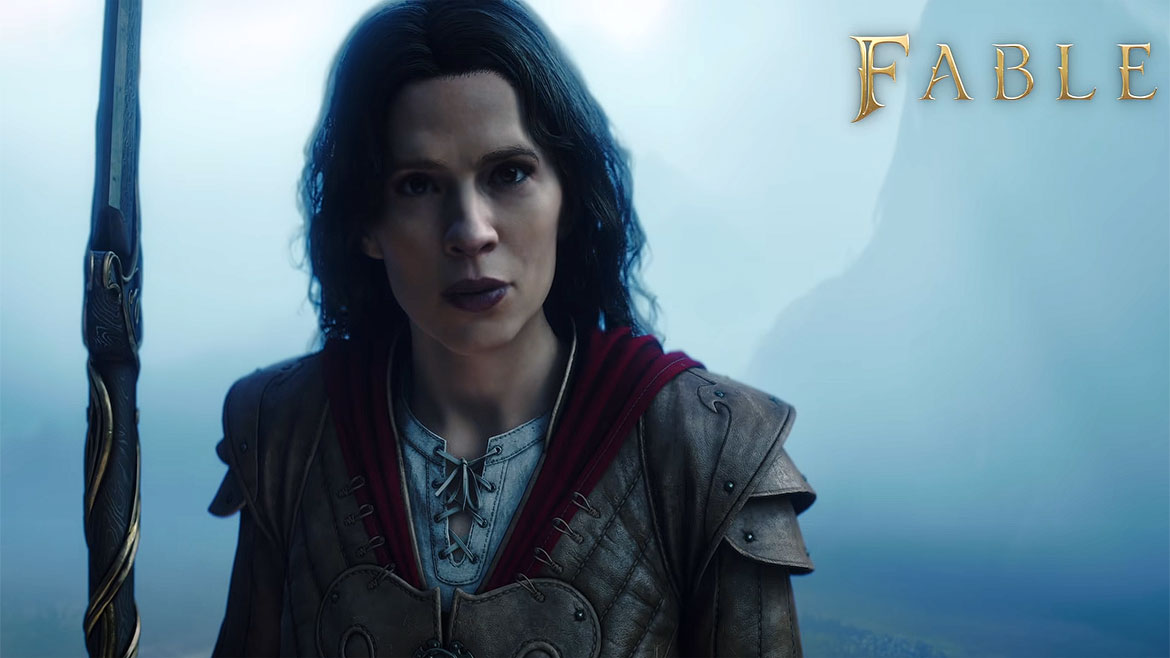 The official source indicates that melee, range, and magic form part of a complementary arsenal. Some familiar creatures include Hobbes, Balverines, and Trolls, along with other new foes. Customization of appearance is yet another feature that is confirmed. Such features provide answers to the most basic questions regarding identity and combat, but the promotional videos can never tell how responsive the dodging becomes after some time.
The new Fable game received an 18-minute quest presentation at gamescom, centred on Bowerstone. Xbox Wire reports that every structure in the new capital is accessible and that every home is for sale. The disgraced former leader of the Heroes’ Guild by the name of Humphry is featured as well. This is more concrete proof than the cinematic trailers, but one quest will not suffice to assess an entire campaign.
Calling this a Fable Game revival makes sense only if combat supports its personality. Albion should accommodate ridiculous situations without making danger meaningless. Dark humor mixed with important decisions characterizes the official description of Playground and makes for an attractive combination that can be contradictory. An emotional argument will lack its power if the jokes keep intruding into it. On the other hand, an over-serious atmosphere would destroy the uniqueness of the environment.
Fable Xbox expectations meet an uncomfortable question
Platform discussion can drown out design. The Fable Xbox connection is clear: Xbox Game Studios publishes this project, while Playground develops it. Play Anywhere support means one qualifying purchase covers console and PC. Subscription availability reduces the initial purchase barrier for eligible members, but it does not establish commercial success. Sales, subscriber engagement and long-term reputation measure different things.
The new Fable game also makes unusually specific promises about memory. Residents remember receiving money or losing spouses through the protagonist’s actions. Killing an adult NPC removes that character, while emptied settlements gradually repopulate. Xbox Wire even describes a giant’s corpse becoming a temporary tourist attraction, influencing local property prices. These examples suggest consequences with comic texture, not merely alternative dialogue after an important mission.
That specificity strengthens the pitch and increases its exposure. Repeated reactions, broken schedules or contradictory memories would undermine precisely what makes Albion appealing. An effective launch therefore needs more than stable frame rates. Social systems must remain legible enough that consequences feel earned. Unpredictability can be delightful; unexplained punishment usually is not. Whether those distinctions survive extensive play remains an open question.
A comeback can succeed without becoming a miracle
Current evidence favours substantial initial interest, followed by a tougher test of staying power. Recognisable branding, detailed demonstrations and subscription access give this launch several advantages. Its strongest differentiator is not map size but its ambition to connect everyday relationships with adventure. If those connections generate genuinely different stories, positive word of mouth could outlast release-week excitement. That is an assessment, not a sales projection.
The new Fable game faces failure if inhabitants feel mechanical despite elaborate promises, or if ordinary fighting turns tedious between conversations. Its chances look stronger when judged on distinctive ideas rather than nostalgia alone. For now, Albion offers a more persuasive premise than another flawless-looking fantasy playground: a place where heroic ambitions collide with rent, gossip and embarrassing personal choices. February will test whether that premise works beyond carefully selected footage.