

Imagine shipping a game where the balance spreadsheet is legally binding. That’s the sector’s entire pipeline.
Game developers argue endlessly about when systems design should lock: pre-production, vertical slice, or never, with live tuning forever. The slot industry answered the question by statute: the math model locks first, gets independently certified, and everything else, art, audio, theme, is decoration applied to a finished economy.
For the production-minded readership of GameIndustry.com, the slot pipeline is a fascinating inversion of standard game development, and Hacksaw Gaming’s output makes a clean case study because the studio publishes its numbers unusually openly.
A Spec Sheet That Ships With the Game
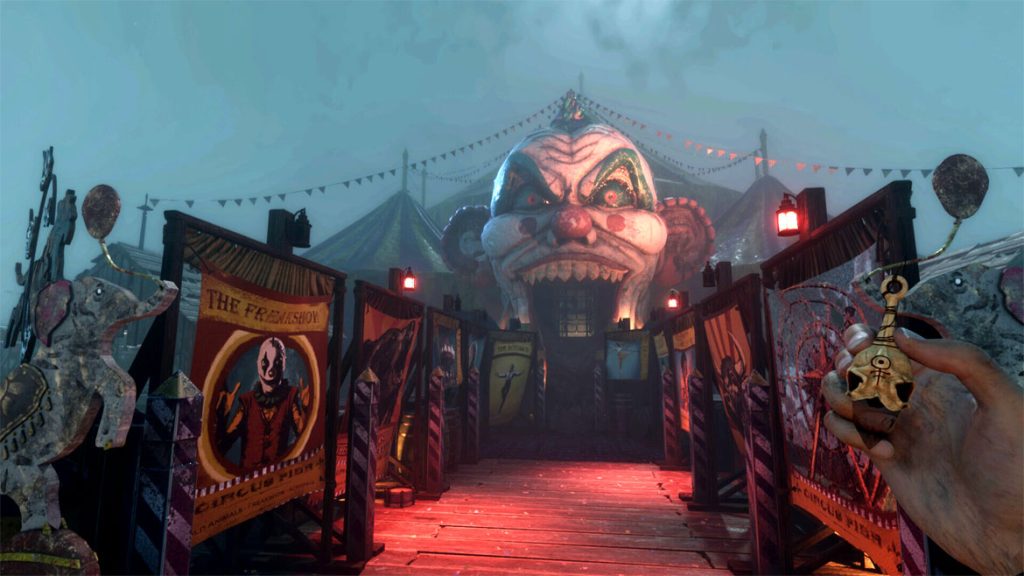
Look up any rip city demo and the published specification reads like a locked design document: 5×5 grid, 19 fixed paylines, 96.22% return-to-player at the top configuration, 18.23% hit frequency, high volatility class, 12,500x maximum win, and two purchasable bonus features priced at 110x and 200x stake. Every one of those numbers was fixed and verified before the game’s neon-city theme existed, because in this sector the numbers are the product and the theme is packaging.
Simulation as the Core Discipline
A slot’s math team designs the paytable and reel weights to hit target RTP and volatility, then validates by brute force: simulating millions to billions of spins until observed return converges on the design target within tolerance. It’s the same Monte Carlo balancing that live-service economy designers run on drop tables and progression curves, with one difference in stakes: a slot model that drifts from its published figure isn’t a patch note, it’s a certification failure with legal consequences.
Certification: QA With Subpoena Power
Before a title enters a regulated market, independent labs, GLI and BMM are the recognizable names, audit the math model and the RNG feeding it, checking that simulated behavior matches published claims and that the randomness passes statistical batteries. The games industry’s nearest equivalents, platform cert and ratings boards, verify content and stability, not economy honesty. Nobody audits whether a gacha rate matches its disclosure with lab rigor. In slots, that audit is the shipping gate.
Configurable Economies as a Product Line
 One striking practice: studios ship the same title with multiple certified economies. Rip City exists in 96.22%, 94.27%, and 88.02% RTP versions, and the operator, not the studio or the player, selects which runs. It’s regional pricing applied to the payout curve itself, an eight-point spread between configurations of an identical-looking product. The transparency mechanism is the in-game paytable, which displays the live figure, the sector’s equivalent of a mandatory odds disclosure.
Reskinning as Deliberate Strategy
Because economies are expensive to design and certify, studios reuse proven math across themes: Hacksaw’s own catalog shows the pattern, with Chaos Crew at 96.30% and 10,000x and Stormforged at 96.41% and 12,500x occupying the same architectural family as Rip City. The wider industry does the same with engines and systems, but rarely admits it as openly. Here the practice is visible in the published numbers, and players comparison-shop on exactly those figures.
Three takeaways travel well: locking economy math early and validating by mass simulation catches balance failures before content compounds them; publishing verifiable numbers builds a comparison culture that rewards honest design; and treating themes as swappable skins over certified systems is a legitimate production strategy, not creative bankruptcy, when the underlying system genuinely carries the product. The slot sector arrived at all three under regulatory pressure. Nothing stops other teams arriving voluntarily. The deeper point is that constraints produce discipline: a sector legally bound to its balance spreadsheet built tooling and habits around economy verification that richer, freer industries never developed, and some of that tooling would transfer to any live-service team willing to treat its own economy claims as commitments rather than aspirations. The sector nobody studies for design lessons turns out to have institutionalized exactly the discipline everyone else keeps postponing.
Final Thoughts
Slot development inverts the usual pipeline: the economy locks and certifies first, and everything visible is packaging over finished math.
Independent certification of published numbers is a form of economy QA the wider games industry has never institutionalized.
Math reuse across themes is the sector’s engine strategy, visible in the published specs rather than hidden in the codebase.
Please gamble responsibly.