

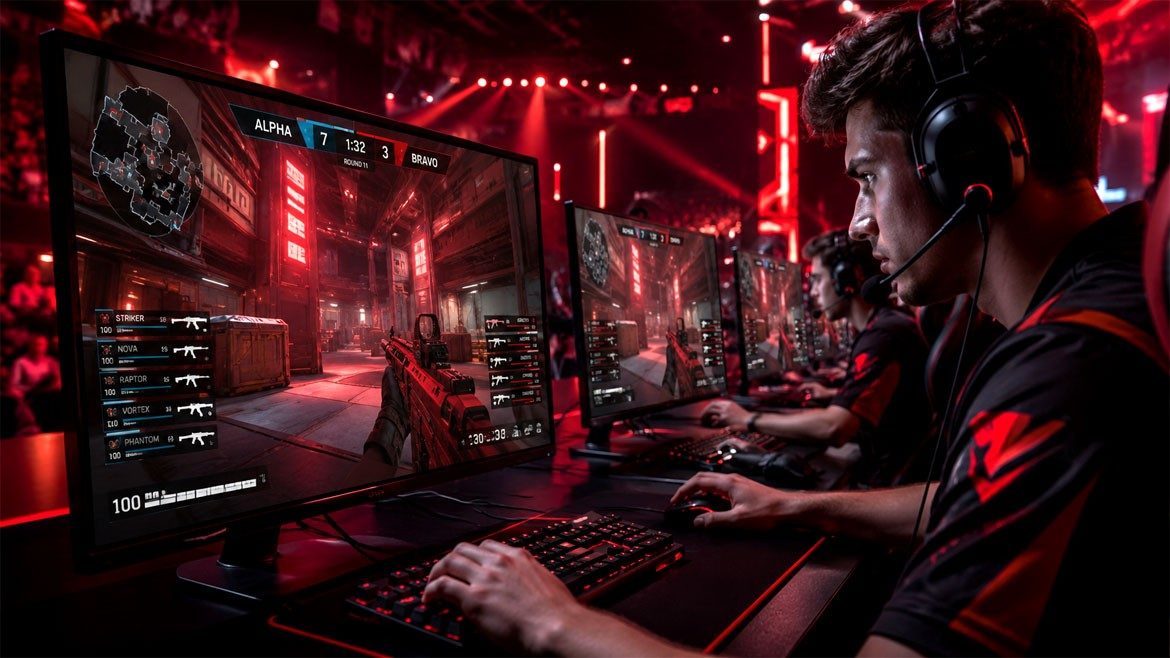
Online engagement is central to how eSports teams foster lasting fan loyalty. As digital platforms shape gaming culture, teams are combining identity, interaction, and technology to develop passionate, long-term communities. New strategies and tools continue to emerge, offering insight into eSports’ ongoing growth.
The rapid rise of eSports has made it essential for teams to create strong communities that are committed and interactive. This focus on fan loyalty has grown beyond basic branding into a dynamic process shaped by content, access, and ongoing feedback. Supporters are attracted not only by in-game results but also by opportunities to connect and belong online. As digital business cards become more common in gaming circles, every click, comment, and share is now a measurable part of a team’s online presence and influence.
How community identity shapes loyalty today
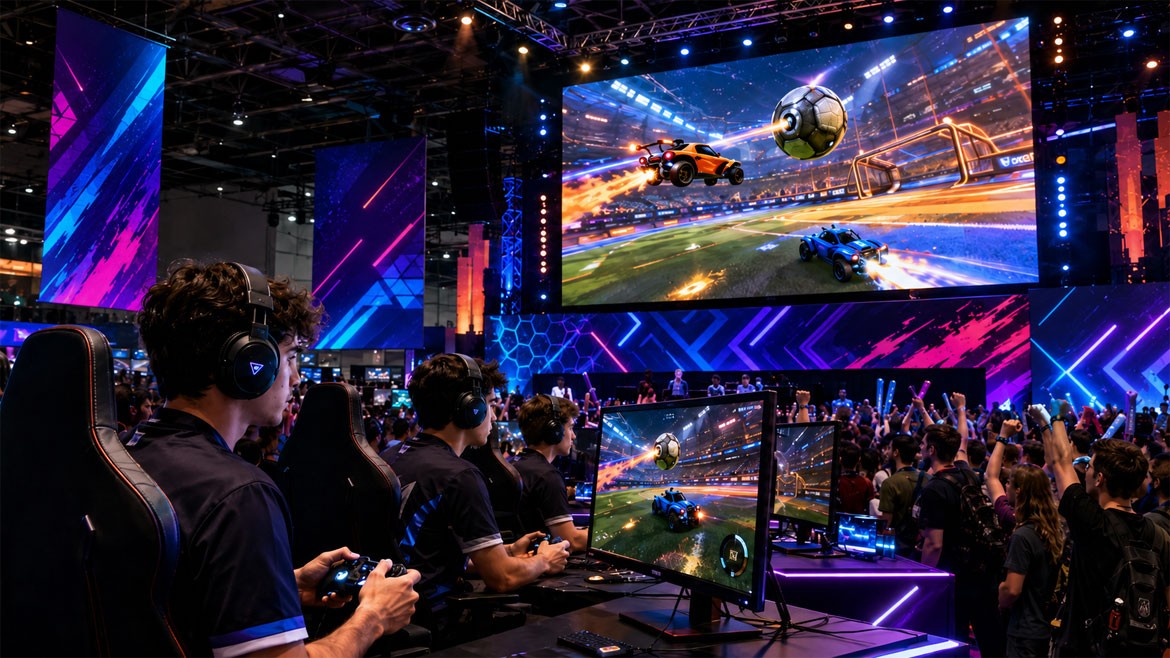 Brand loyalty in eSports has changed from static team branding to active, creator-led community culture. Followers form personal bonds with teams and players, sharing memes, discussing plays, and interacting across platforms that make each supporter feel included. This sense of belonging encourages fans to invest emotionally and engage regularly.
Unlike in many traditional sports, team loyalty within eSports is often measured through real-time online activity. Social platforms, streaming services, and tracked participation allow teams to understand who engages, when, and how frequently. These metrics enable teams to refine their approaches, deepening loyalty through personalized, data-informed communication.
The evolution of community identity in eSports has also been shaped by the rise of user-generated content and collaborative storytelling. Fans create artwork, montages, highlight reels, and custom graphics that celebrate their favorite teams and players, contributing to a shared visual language that reinforces collective identity. Teams that acknowledge and amplify this content—by featuring fan creations on official channels or hosting design competitions—deepen the reciprocal relationship between organization and supporter. This collaborative approach transforms passive consumers into active co-creators, fostering a sense of ownership and pride that traditional sports marketing rarely achieves at scale.
Strategic use of online platforms for engagement
Primary engagement channels in eSports include live streaming platforms, where real-time chat creates a direct feedback loop between teams and dedicated fans. Interactive chat tools help build a participatory environment, enabling viewers to influence the atmosphere of each broadcast and feel recognized within the larger community.
Teams also produce content for short-form video platforms, sharing recaps, highlights, and behind-the-scenes clips. These formats keep teams visible between major events and are easily shareable. Dedicated community hubs, like forums and group servers, offer additional spaces for deeper discussions and persistent group identity.
Techniques and formats that build lasting devotion
Two-way interaction is a key tactic for building brand loyalty in eSports. Participatory content such as fan polls, Q&A sessions, and live strategy talks allows fans to play an active role in the team’s activities. Continuous dialogue helps keep communities engaged through tournaments and quieter periods alike.
Behind-the-scenes storytelling and day-in-the-life content offer fans unique insights into the routines and personalities of players and staff. Player and creator personalities frequently become major drivers of loyalty, influencing the tone and culture of communities well beyond match outcomes.
Rewards, event experiences, and future directions
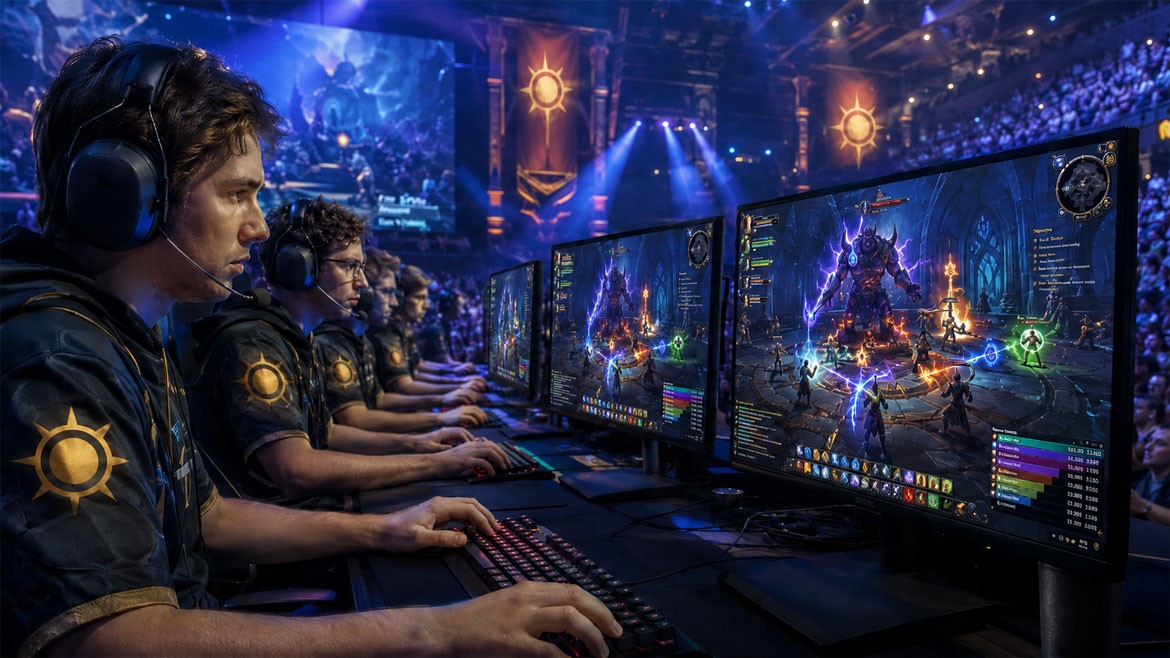 Digital rewards like exclusive content, early access, prizes, and membership schemes are designed to recognize ongoing engagement without diminishing the community atmosphere. These rewards can help strengthen loyalty, but teams pay attention to ensuring fans feel valued and not alienated by monetization or excessive sponsorship.
Event-based experiences such as online watch parties, live match activations, and interactive broadcasts generate excitement that can convert casual viewers into committed fans. Effective alignment of online and offline activities helps maintain balance, giving fans meaningful ways to participate while managing commercial pressures.
Teams monitor signals including retention rates, repeat viewership, and active online discussions. Data such as the journey from passive follower to active participant and loyalty program engagement are regularly analyzed to improve community strategies.
There are also risks, such as overdependence on any one online platform or lapses in moderation, which can reduce trust. Careful selection of sponsors and vigilant content moderation help protect both team reputation and community well-being, supporting sustainable engagement across digital and physical channels.