
Welcome to Save State, where we try to escape an all-seeing, uncaring god and all the unrelenting, monotonous work by playing games where we are an uncaring god and do monotonous work. I’m covering for Save State columnist Vincent Mahoney for another week, and I apologize that this means you’ve had me for four straight columns. While the horrors persist, so do I. So, let’s get into our two games this week, just like a typical Save State column.
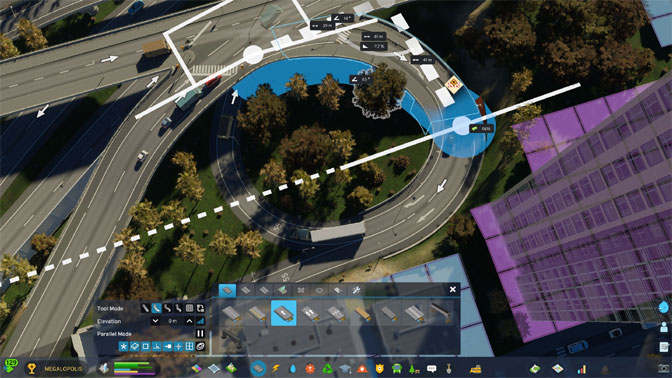 First, I finally got to try Cities: Skylines II on Steam, since I can’t play the original Cities: Skylines on PlayStation anymore after canceling my PS Plus subscription. (If you’re wondering why, read my column from a few weeks ago about the Star Wars: Zero Company debacle.)
Now, city-building simulators are one of my comfort genres, especially during stressful weeks at work. In the original Cities: Skylines, I had a thriving city named Norwood that grew into a sprawling metropolis, complete with a prison island not too dissimilar to Alcatraz.
Unfortunately, Cities: Skylines II didn’t give me quite the same experience.
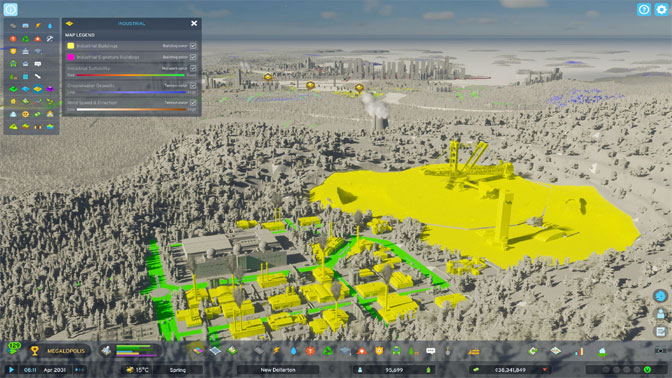 The sequel has a pretty brief tutorial, and I wasn’t particularly enthusiastic about the user interface. While using a controller, everything felt like it required one to three more inputs than necessary. Additionally, the cost of providing city services seemed disproportionately high compared with the tax revenue I was collecting.
While the graphics have improved, I’m not sure they make up for some of the strange design choices. The whole experience felt flat and uninviting, almost like it was trying to speed up the gameplay instead of letting things move at a comfortable pace.
I also hated the leveling system in Cities: Skylines II on principle. Most simulation games reward players for reaching certain milestones, like Manor Lords or Timberborn, or for completing challenges, like Against the Storm or Farthest Frontier. And yet, Cities: Skylines II seems determined to do both. You unlock certain rewards by reaching population milestones, but you also gain experience points by building things. Those points allow you to level up and purchase upgrades along a development chain.
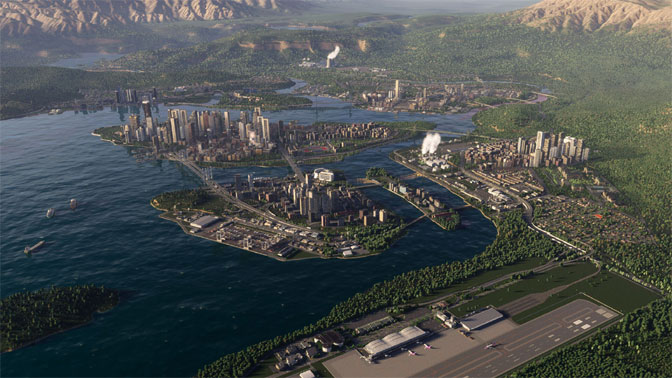 One of the things I dislike most is when game developers are indecisive. I’ve said it a hundred times, and I’ll say it again: Just commit. If they’re trying to make something appeal to everyone, they risk making something that appeals to no one. After struggling to manage an entire city, I decided it might be more relaxing to focus on something considerably smaller. Instead of worrying about roads, taxes, and services for thousands of residents, why not just concentrate on one little shop maybe set in that utopia of Norwood.
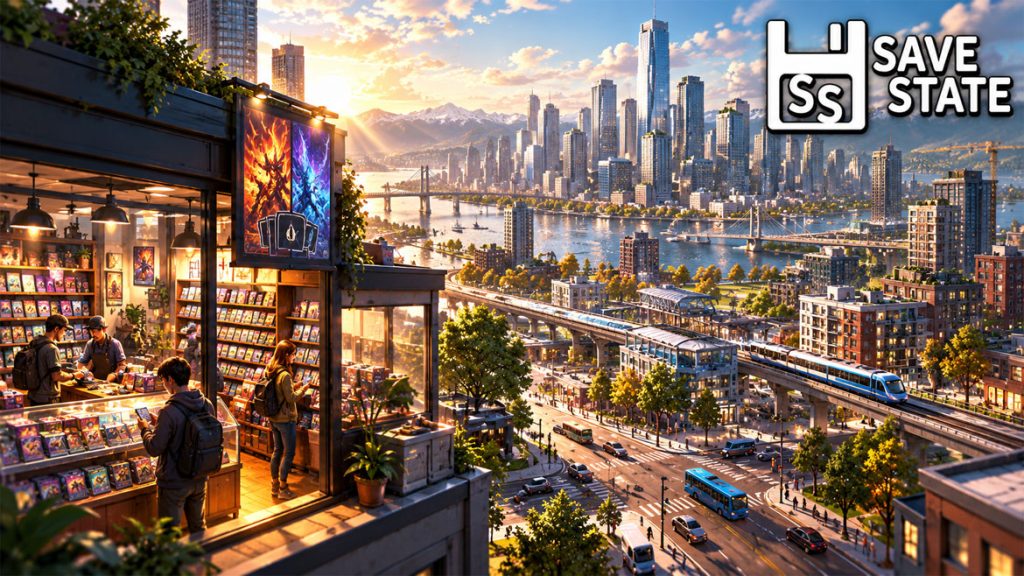
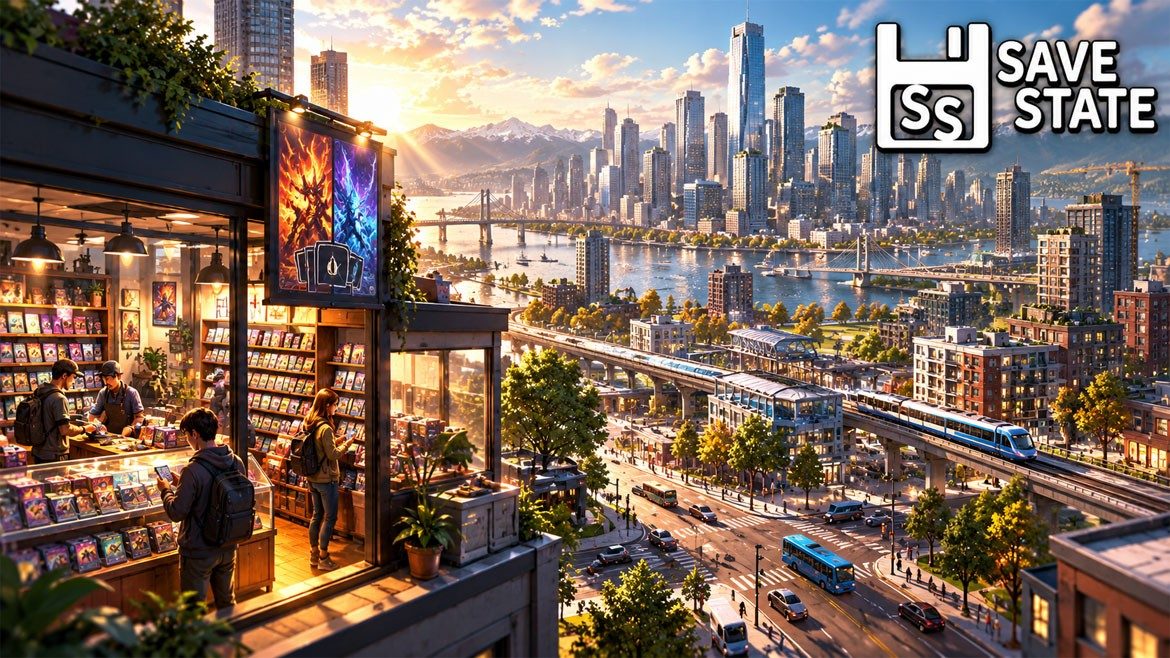
That’s when I zoomed in and jumped back into TCG Card Shop Simulator.
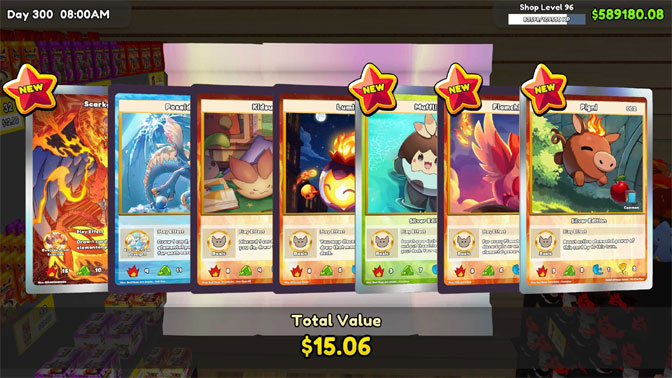 Ordering some Magic: The Gathering cards in real life recently had got me thinking about my own experience selling cards, so returning to my in-game shop, Flint Hills Collectables, seemed like a good idea. It took me a few hours to remember how I’d organized my inventory and what my design plans had been. After a few in-game days, however, I had everything figured out again.
Before long, I was wheeling and dealing graded cards like a pro and hiring staff to help ease my workload. I even doubled the size of my shop and spent time organizing the shelves to make everything look more aesthetically pleasing.
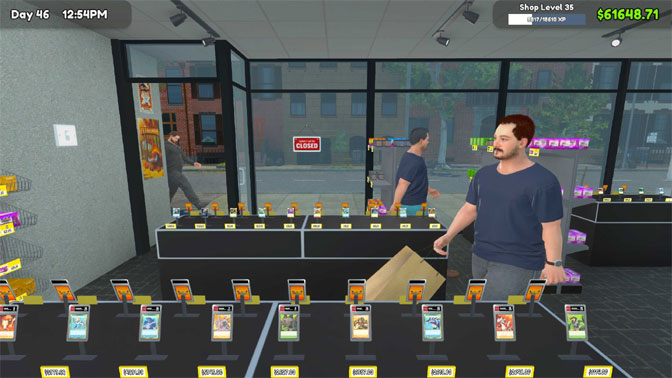 TCG Card Shop Simulator is a great way to enjoy cracking open card packs and distributing collectibles without the inherent risks involved in running a real business. I had the most fun with this title because there are practically no stakes, allowing players to lose themselves in the monotony.
And that’s the strange thing about these two experiences. In Cities: Skylines II, managing everything felt more like work than relaxation. But in TCG Card Shop Simulator, I was also doing work, organizing inventory, managing the employees, trying to make a profit, and somehow I found it all relaxing.
Maybe the difference is that running one little card shop feels manageable, while keeping an entire city functioning can become overwhelming.
 I will be honest, though. I still don’t completely understand why we find titles where we’re technically doing work so relaxing. Maybe someone smarter than me can provide an answer.
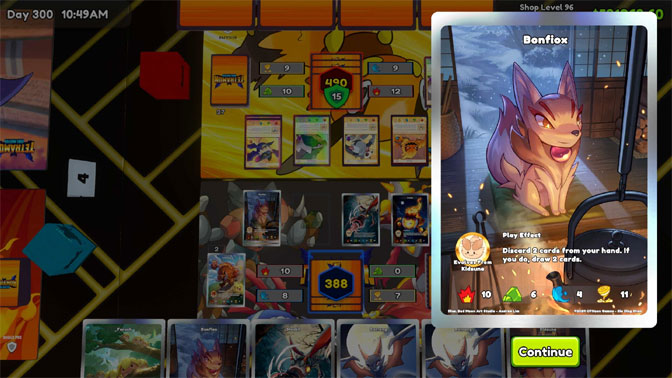
I also haven’t learned the card game featured in TCG Card Shop Simulator yet. Maybe next week I’ll finally give that a try.
Thank you all for your patience while I’ve covered for Vincent’s column. I’m excited to return to my normal column next week, where I’ll probably discuss the closure of BioWare, one of the most amazing studios ever to exist and one that should never have been shuttered.