
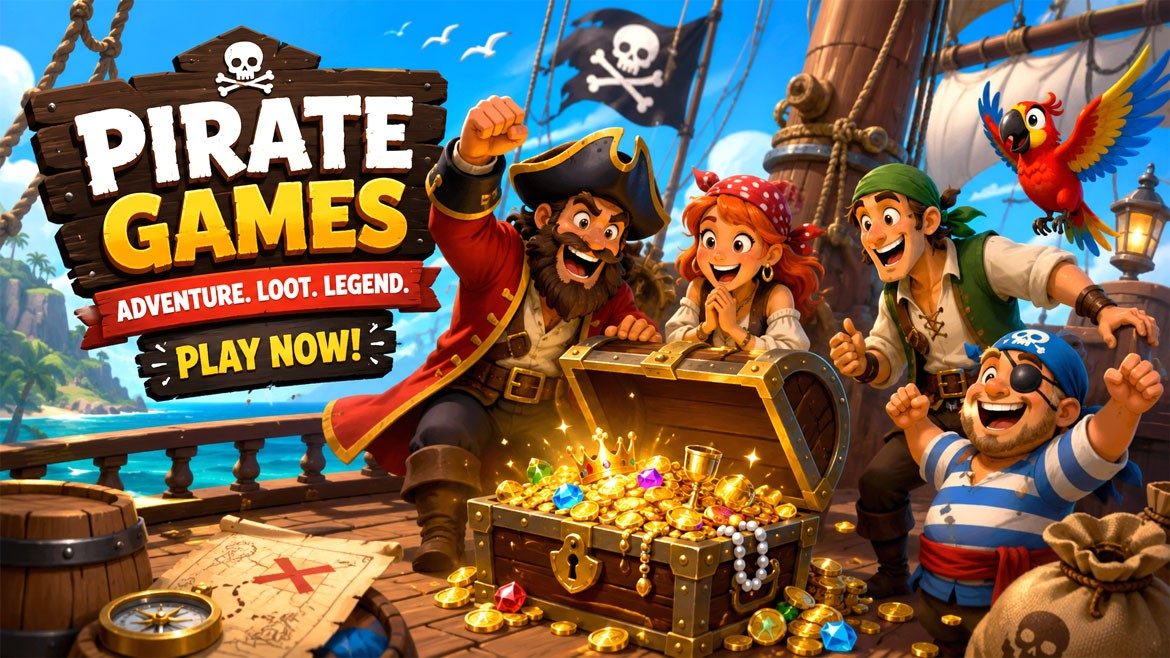
Pirates have been part of storytelling for centuries. And honestly, they’re not going anywhere. Every few years, the entertainment industry seems to rediscover the skull and crossbones, and audiences eat it up like it’s the first time. But why? What is it about ragged sails, buried treasure, and questionable moral codes that keeps pulling us back?
The answer is simpler than you’d think. And it has everything to do with freedom.
The Fantasy That Sells Itself
Here’s the thing about pirates. They represent something most people crave but rarely experience: total autonomy. No boss, no cubicle, no alarm clock. Just open water and the promise of adventure. That fantasy hasn’t changed since Robert Louis Stevenson wrote Treasure Island back in 1883, and it certainly hasn’t faded in 2026.
Look at what’s happening right now. Netflix dropped One Piece: Into the Grand Line this past March, and it’s climbing charts worldwide. The live-action adaptation already had a massive fanbase from season one, but season two has brought in casual viewers who’d never touched the manga or anime. It introduced 33 new cast members, fan-favorite character Tony Tony Chopper, and locations that made the pirate world feel bigger and stranger than before. Netflix didn’t just renew it for a third season. They started filming before season two even aired. That’s confidence. That’s knowing the pirate well runs deep.
And it’s not only streaming. The gaming world is having its own pirate moment. Publications are already calling 2026 “the year of the pirate” in gaming, with titles like Corsairs: Battle of the Caribbean leaning into naval strategy, Sea of Remnants blending anime aesthetics with ocean fantasy, and Windrose building cooperative survival around shared pirate crews. These aren’t rehashes. They’re genuinely different takes on the same timeless theme.
Why Gaming Keeps Coming Back to the Jolly Roger
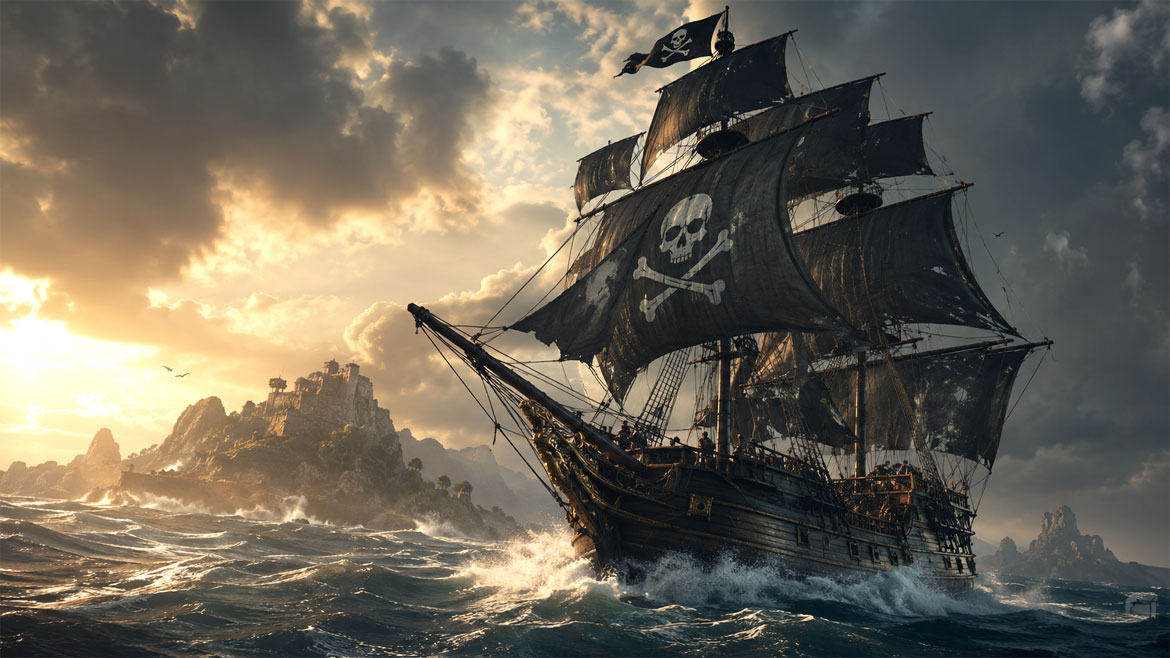 So what makes pirate settings so magnetic for game developers? It comes down to design versatility. Pirates give you exploration, combat, resource management, narrative depth, and multiplayer dynamics all wrapped in one package. Few other themes offer that kind of flexibility without feeling forced.
Think about it. A pirate game can be a strategy title, an action RPG, a survival sandbox, or a casual social experience. The theme stretches across genres without breaking. That’s rare. The social casino space has picked up on that same energy. Big Pirate Social Casino, which launched in late 2025, built its entire platform around a pirate adventure, complete with island-building mechanics, raiding systems, and a game library of over 3,000 titles. It’s a good example of how pirate themes can carry an experience well beyond what you’d expect from a single genre.
The broader point is that pirate imagery has a built-in emotional vocabulary. Treasure maps, ship battles, mysterious islands. These things trigger curiosity and excitement without much explanation.
Culture Keeps Feeding the Loop
There’s also a cultural feedback loop at work. Pirate festivals still draw massive crowds around the globe. The Cayman Islands host Pirates Week every November, turning George Town into a full-blown swashbuckling spectacle. Renaissance fairs regularly feature pirate weekends. Tampa’s Shipwrecked Music Festival, now in its eighth year, blends live music with pirate-themed activities during Gasparilla weekend.
These events aren’t niche. People who would never call themselves “pirate fans” still show up wearing eye patches and tricorn hats. The aesthetic has this strange ability to cut across demographics.
The Deeper Pull
If you strip away the cannons and the parrots, what you’re left with is a story about misfits chasing something bigger than themselves. That narrative resonates because it mirrors how a lot of people feel. The pirate crew is the ultimate found family. They’re outsiders who built their own rules, their own loyalties, their own version of success.
That emotional core is why One Piece connects so powerfully. It’s why Sea of Thieves built a community that lasted years beyond its rocky launch. The specifics change with every generation, the ships get better graphics, the stories get more complex, but the underlying pull stays exactly the same.
Pirates aren’t just a trend that cycles in and out of popularity. They’re woven into how we tell stories about freedom, risk, and belonging. As long as people want to imagine a life without boundaries, someone will hoist a black flag and set sail.