

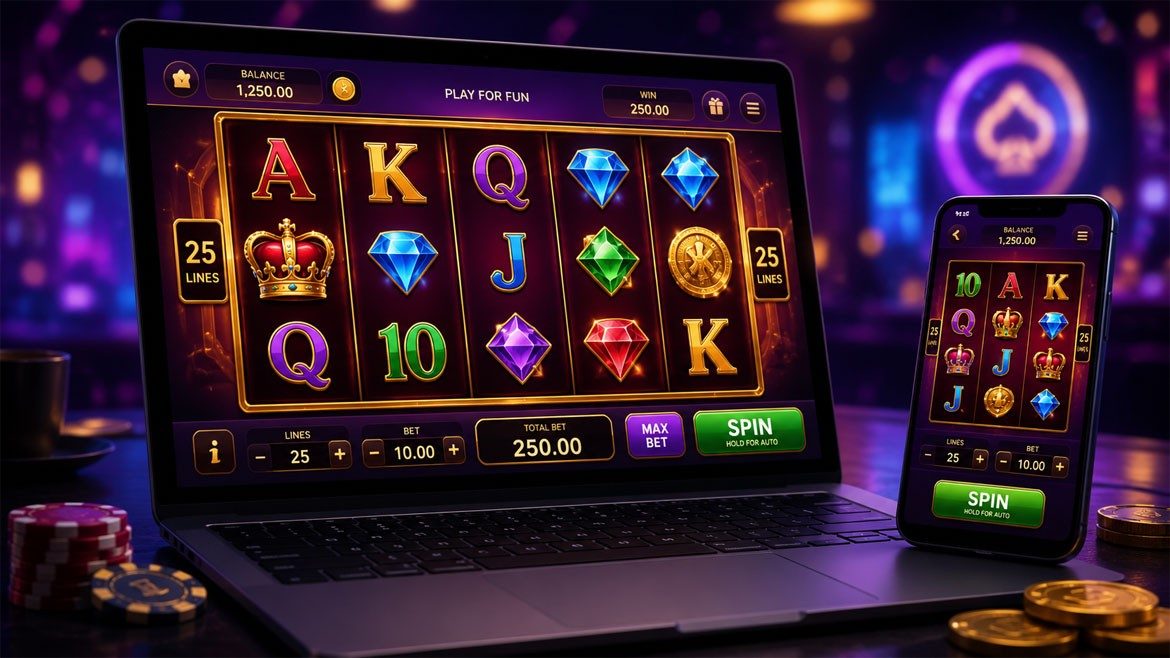
Mobile gaming is redefining how digital slot experiences are designed, played, and enjoyed. Players expect seamless access, highly responsive interfaces, and connectivity across devices. These growing standards, shaped by mainstream mobile game design, are transforming user engagement in slots.
As technology influences the way people interact with digital entertainment, expectations for Online Slot Games increasingly mirror those established by leading mobile games. Mobile-first principles encourage short, accessible sessions, prompting studios to refine the familiar “pick up and play” approach. Fast loading, intuitive layouts, and direct feedback—hallmarks of hit mobile titles—are shifting player interaction patterns in slots. Understanding these widely adopted industry trends helps explain how game experiences continue to evolve.
Mobile-First Design Changes User Engagement Habits
Long play sessions have increasingly given way to frequent, brief play periods, aligning with on-the-go mobile lifestyles. Many players prefer to access a game on their own schedule, often for just a few minutes, and anticipate clear feedback in each session. These are widely observed patterns in the mobile game industry, reflecting typical player expectations for session design and instant engagement.
Popular mobile games have set clear standards for instantaneous loading, visible progress indicators, and quick feedback cycles. As a result, slot designers often follow similar conventions, streamlining menus and making core interactions highly accessible, to maintain short, satisfying sessions in line with broader mobile user experience (UX) principles.
Touch Optimization and User Interface Choices Shape Gameplay
 Player behaviors have adapted to favor one-handed play, large and responsive touch targets, and easily readable text. These touch-centered design elements are considered essential by many studios and have become a norm as digital slot experiences transition from traditional desktop environments to smartphones and tablets. Such user interface decisions are informed by general advances in mobile game UX and accessibility.
Instead of relying on extensive written instructions, interactive tutorials are increasingly implemented, letting players learn through hands-on participation. This approach, now common across mobile and casual game genres, streamlines onboarding since players can quickly engage with mechanics through taps or swipes and feel more comfortable progressing at their own pace.
Cross-Device Continuity and Responsive Social Features
Modern players often expect their progress to follow them as they switch from mobile to desktop or move among multiple devices. This design principle, known as “cross-device continuity,” is realized through features like cloud saves, allowing users to resume play seamlessly at any time. These mechanisms reduce friction and are established UX patterns in mobile gaming, reflecting player expectations for convenience and flexibility.
Beyond tracking personal progression, continuity frequently extends to social components. Elements such as friends lists, live chats, and group activities are increasingly cloud-synced, promoting smooth and continuous social interaction regardless of device or session duration. Mobile slot studios integrating these features are following broader mobile gaming conventions aimed at building connected communities and enhancing player retention.
Instant Mechanics and the Evolving Content Lifecycle
The demand for rapid outcomes and minimized waiting times has led slot experiences to evolve toward snappier mechanics. Fast loading, quick spins, and immediate re-entries enable compact game loops, encouraging developers to reexamine pacing and the timing of rewards in line with common practices in mobile game development.
The need for continuous engagement has also influenced the cadence of new content, events, and targeted offers. Social Casino and Sweepstakes Casino platforms are prime examples of these trends, as they offer slot and game experiences that prioritize entertainment and community over traditional wagering. In these models, players often engage in sweepstakes or earn virtual rewards rather than direct cash payouts, mirroring the accessibility, social connectivity, and rapid progression loops found in popular mobile games. Many features, such as tournament events, chat systems, and user progression, are inspired by mainstream mobile UX and help these platforms reach wider audiences.