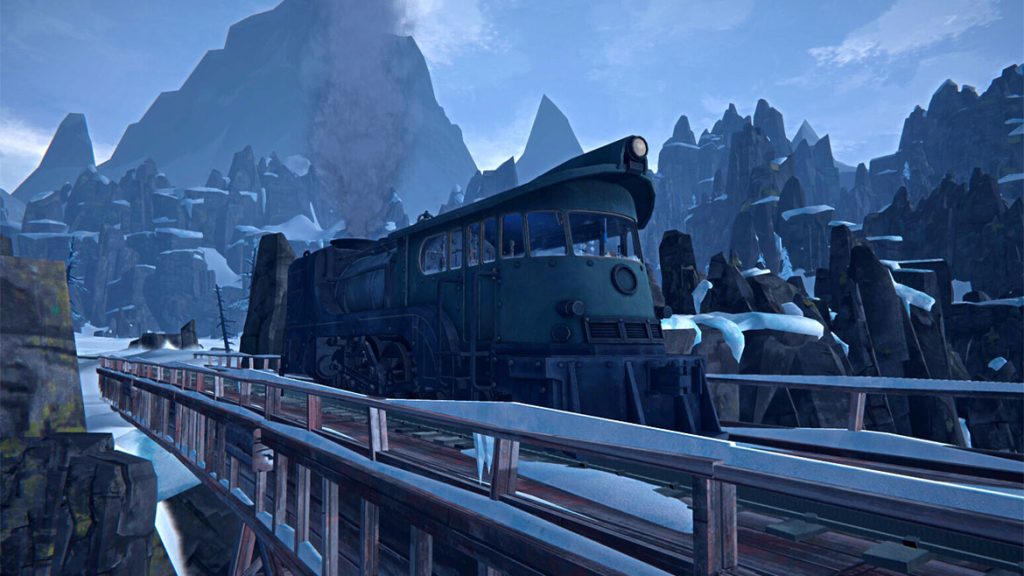

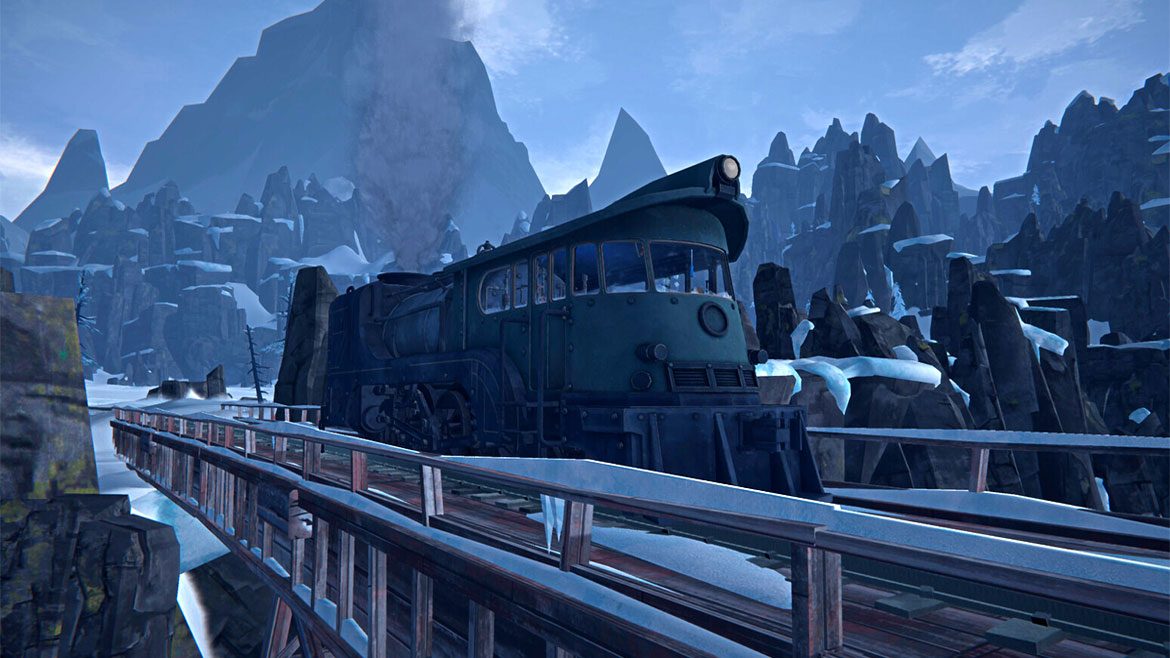
It may have taken a decade, but developer Hinterland Studio finally ended their story-based Wintermute adventure with a pretty big bang with the release of Episode 5: The Light at the End of All Things. And I have to say, a decade-long wait aside, I was pretty happy with how the story finally wrapped up. It earned a really great 4.5 out of 5 GiN Gems in our review.
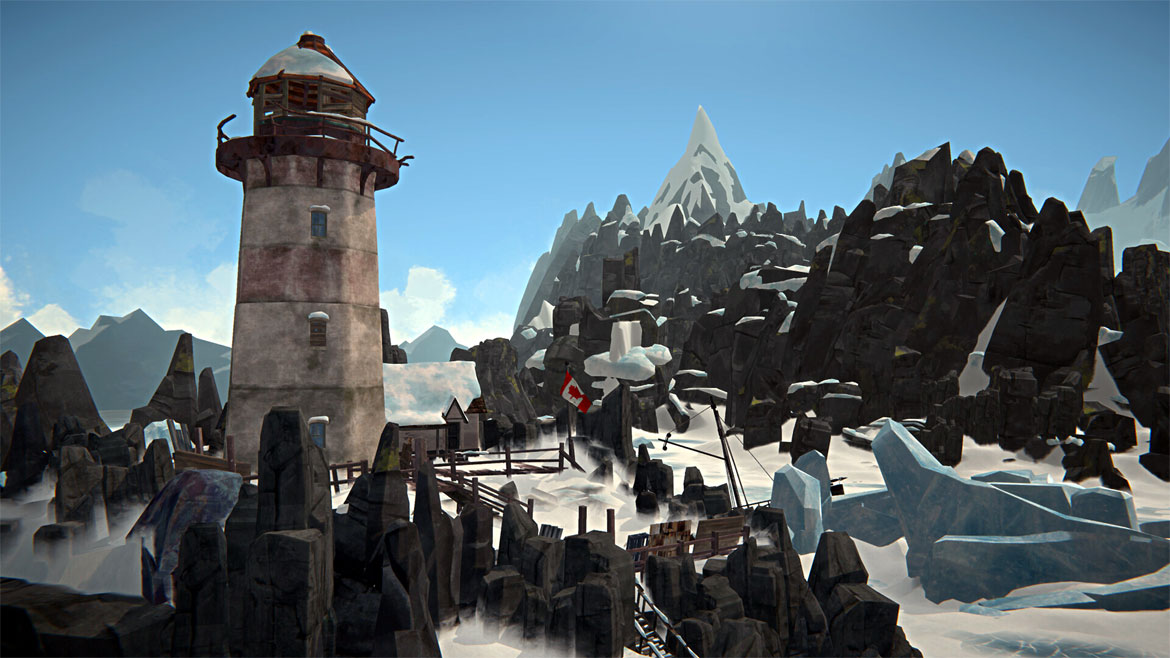 And because I never really did too much with the open world survival sandbox side of The Long Dark, although I did review some of that as well, I kind of thought that I might be done with it, other than perhaps replaying the story at some point in the future. But then the developers released a new DLC for the sandbox world which was too interesting to ignore. The new Iron Road DLC, which is currently in Early Access on Steam, adds a working railroad and an archaic but experimental train to the landscape. Given how much fun the train was in Episode 5, I was really looking forward to seeing an entire DLC devoted just to something like that.
Now, the portal to the new DLC, which takes place on Cauldron Island (a zone fully separated from the main area where the story and other zones are located), is off of Desolation Point, which is on the far edge of the main map. My character for sandbox play was all the way on the other side of the world, so even though he was fully equipped with everything he could ever need, I decided to make a new character for exploring the DLC. I started in Coastal Highway since that is near Desolation Point, but it also has plenty of places to loot so that I could find some thermal underwear, a decent jacket, some tools and a weapon or two before making the trek. I got pretty lucky and gathered a lot of good stuff, so it was off to Desolation Point after a few hours of getting established.
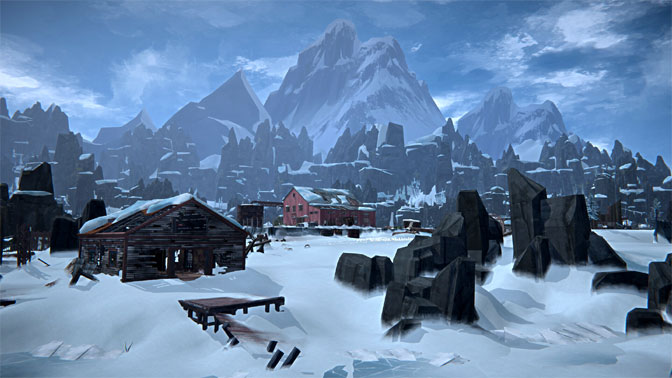 Now, the Iron Road is in Early Access on Steam, so I won’t be reviewing it fully just yet by giving it a score. And yes, there are plenty of Early Access flaws in the DLC right now, more than most work-in-progress titles that I have seen actually, but hopefully they will be fixed before the full release. Most are unusual but not game breaking, like a cabin labeled with what is obviously a placeholder name instead of a real location when you uncover it on your charcoal drawn map or interiors where the windows remain lit up at night even when there is no aurora. Others are more annoying, like having a calorie-counting box (one of those where you have to fill it up with supplies as part of a mission) not counting several food items as valid when you pile them in there. But again, nothing game breaking was encountered. But in any case, I will let you all know what to expect from Iron Road now and save the scoring for the formal review.
Unfortunately, getting to Cauldron Island involves considerably more than simply finding the right departure point. Players must locate a special boat called a Fulmar, which essentially looks like a conventional wooden boat equipped with a strange autopilot system. However, rather than simply climbing aboard and selecting a destination, players must first fill the boat with an enormous quantity of supplies. The Fulmar demands more than 40 pounds of fuel, piles of food, gallons of water, medical supplies and a collection of tinder plugs before it will agree to make the crossing. The tinder plugs were easy enough to manufacture, but gathering everything else became a tedious exercise in scavenging and hauling resources that took hours.
I have to admit that I found this requirement pretty disappointing. After trekking across the landscape to reach the DLC, I was essentially presented with a locked door that could only be opened by dumping a ridiculous amount of supplies into a wooden boat. Apparently, this particular vessel is somehow capable of determining exactly how much food and fuel I’ve loaded into it before deciding whether I deserve passage. Making matters worse, the system doesn’t always recognize perfectly legitimate supplies. Energy bars containing 500 calories each didn’t count toward the food requirement nor did canned peaches and several other edible items.
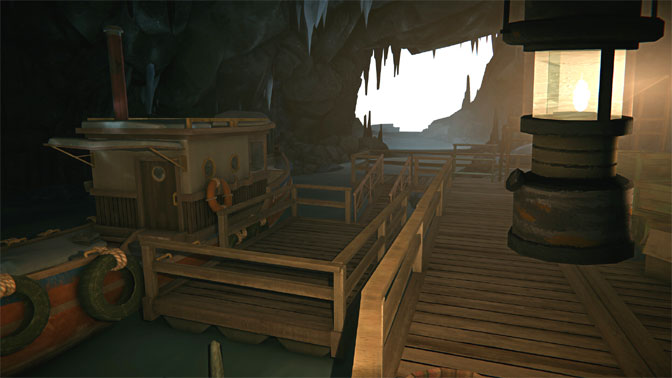 The fuel calculation also seemed questionable because it emphasizes weight rather than how effectively something burns. Anyone who has spent time surviving in The Long Dark knows that different fuels have different characteristics. Fir logs are better than cedar, while coal burns extremely hot and provides a long-lasting fire. Unfortunately, coal is relatively light, making it less useful for satisfying the boat’s arbitrary weight requirement. You might actually be better off gathering hundreds of sticks rather than sacrificing your valuable coal reserves. And sacrifice is the appropriate word here because everything deposited into the boat disappears after the crossing.
My advice is to use inexpensive supplies you can easily replace. Hunt some animals and donate the meat, collect sticks or otherwise gather materials you won’t miss. Don’t waste your best equipment or carefully accumulated survival reserves on the crossing. Another really annoying thing is that returning to the mainland requires gathering those supplies all over again. So, if you’re planning a round trip, prepare to spend another few days collecting fuel and boiling enough water to supply a small village. I seriously hope Hinterland substantially streamlines this process before the DLC officially launches. Players are coming to the Iron Road to explore a new region and operate a locomotive, not to spend days collecting things to satisfy a transportation checklist. It reminded me a little too much of gathering supplies for the Blind Mother back in Wintermute’s first episode.
Thankfully, things improve considerably once you finally reach Cauldron Island. Although the island is home to the railroad and its locomotive, players won’t encounter the train immediately. There is quite a bit of wilderness to explore before reaching it, along with ruined buildings, abandoned locations and plenty of opportunities to search for valuable survival supplies.
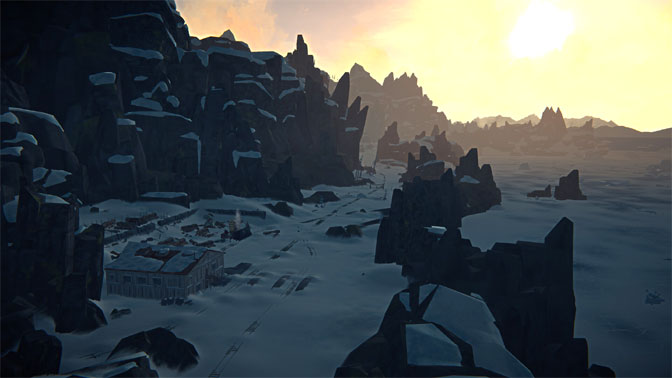 I really enjoyed the new landscapes, which have a different character from many of the familiar regions on the mainland. The island feels remote and inhospitable, even by The Long Dark’s already unforgiving standards. Weather conditions also seemed somewhat more violent and unpredictable during my travels. I encountered blizzards roughly every other day, although most lasted only a few hours.
Exploring the ruins and searching every corner for supplies was genuinely enjoyable. There are some interesting locations to discover, and the new environment provides a welcome change of scenery for longtime players.
However, Cauldron Island is also obviously unfinished. For example, Hinterland says the Early Access version currently includes about 30 kilometers of railroad track, with plans to expand that network to as much as 100 kilometers by the full release. Likewise, substantial portions of the landscape currently feel rather empty. There are plenty of promising locations where additional structures, resources or interesting discoveries could eventually make exploration more rewarding. I also encountered several smaller bugs and unfinished elements. One discovered cabin appeared on my charcoal-drawn map with what was obviously a placeholder file name complete with underscores rather than a proper location description. And in some buildings, windows remained illuminated even at night when there was no aurora to power the lights.
These issues weren’t game breaking, but they certainly reinforced the fact that Iron Road is still very much a work in progress.
One of the more interesting additions is the way the DLC tells its story. Rather than relying on conventional conversations or lengthy cinematics, players discover wax cylinders containing recorded accounts of events that occurred on the island. But I have mixed feelings about this approach.
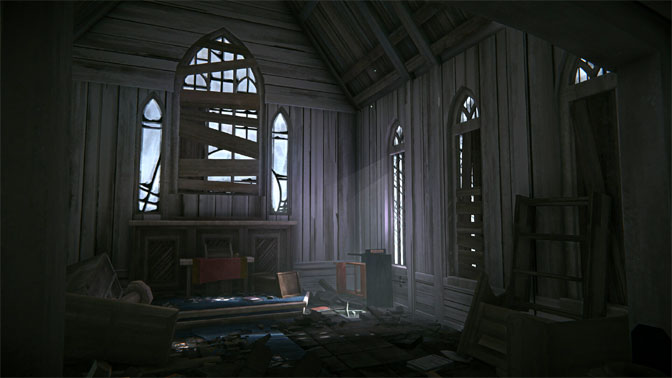 On one hand, uncovering pieces of the island’s history while exploring abandoned buildings fits nicely with The Long Dark’s lonely atmosphere. On the other hand, the voice acting is somewhat uneven. The performances aren’t terrible, but some reminded me of enthusiastic community theater actors delivering particularly emotional monologues.
The bigger problem is how the cylinders function during gameplay. Many are positioned beside important items such as keys or equipment needed to progress, effectively requiring players to pick them up and listen to gather those critical elements. Worse, once a recording begins, your character is locked in place until it finishes. You can’t walk away, cancel the playback, look around or continue moving toward safety. And the rest of the survival simulation doesn’t stop while you’re enjoying your mandatory history lesson.
I discovered this the hard way when I picked up one of the cylinders during a blizzard just before reaching a sheltered location. My character was forced to stand outside, gradually freezing to death, while someone on the recording rambled on about a lost love and cried out for them. Another time, I was attempting to sneak past a wolf when I collected a recording. Suddenly, I was standing helplessly in place listening to another lengthy tale while the wolf crept ever closer.
That system absolutely needs to change before the full release. Players should either be able to move normally while listening to recordings, or collect the cylinders and play them later in a safe location. The Long Dark is a survival game where every minute can matter, and forcing players to surrender control while their condition deteriorates is simply not a good design decision.
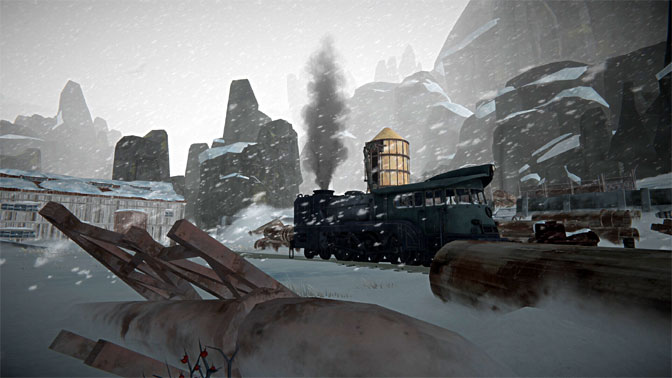 Fortunately, after following a somewhat roundabout progression path through the island’s story, players eventually find themselves on the right track. Literally. Once you discover the railroad, you can follow the rails for several miles until finally reaching the locomotive. And this is where Iron Road really begins to shine.
The train is quite different from the one featured in Wintermute’s final episode. Although that locomotive was entertaining to operate, the Iron Road version feels much more like a functional vehicle designed to support extended exploration. For starters, the engine contains a small interior cabin where players can actually move around. It’s not exactly luxurious, but it provides a remarkably practical little home on wheels. There is even a large storage cabinet capable of holding up to 90 pounds of equipment, allowing players to stockpile emergency rations, heavy tools, weapons, ammunition and other essential supplies without constantly carrying everything themselves. A single cooking slot attached to the boiler provides a place to prepare food, while a pull-down cot offers somewhere to rest.
It’s a sparse arrangement, certainly, but compared with sleeping in abandoned buildings or desperately searching for shelter during a blizzard, having a mobile base of operations is a wonderful luxury.
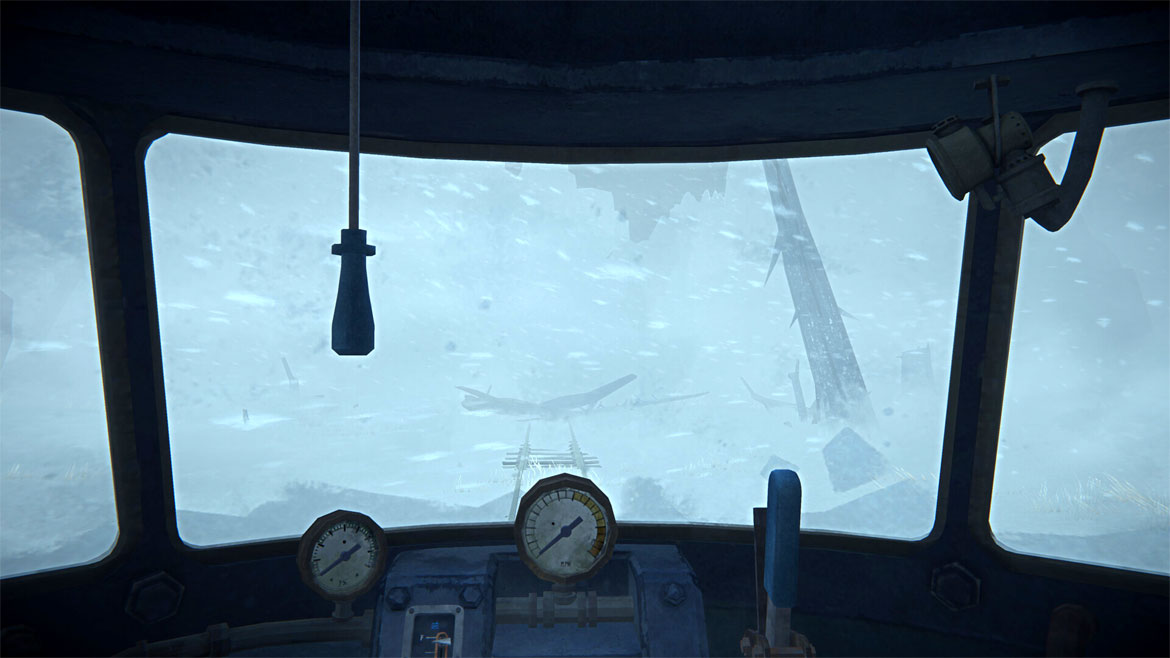 The locomotive also introduces its own resource management system. Rather than burning coal, the engine operates on whale oil, which seems appropriate for its archaic technology, even if whale oil isn’t exactly an environmentally friendly fuel by modern standards. It also requires water to operate, and both resources can be replenished at designated stations scattered around the railroad network.
Separating the locomotive’s fuel requirements from the wood and coal used for conventional survival fires is a smart design decision. It gives players another resource to manage without necessarily forcing them to sacrifice the supplies needed to stay alive. And operating the locomotive involves a little more complexity than simply pressing a button to accelerate. There are two forward speeds and a reverse gear, along with boiler pressure that must be carefully monitored. Allowing too much pressure to build can cause trouble, although I found that keeping the locomotive at lower speeds generally made it fairly easy to manage while getting milage from your water and whale oil reserves.
The train also has its own maintenance interface, accessible through a dedicated menu tab. Players can monitor the condition of individual components, including the wheels, boiler and brake pads. As these parts deteriorate, the locomotive becomes less efficient. For example, worn wheels can reduce speed and increase fuel consumption. Players can repair damaged components using tools such as a repair hammer and supplies of scrap metal. Replacement components, including brake shoes, can also be discovered while exploring the island. Before long, I had my little storage cabinet stocked with spare parts, repair tools, emergency supplies and enough equipment to keep the locomotive running for quite some time.
Naturally, I also made room for several cans of Stacey’s Grape Soda. Those were for me, not the train.
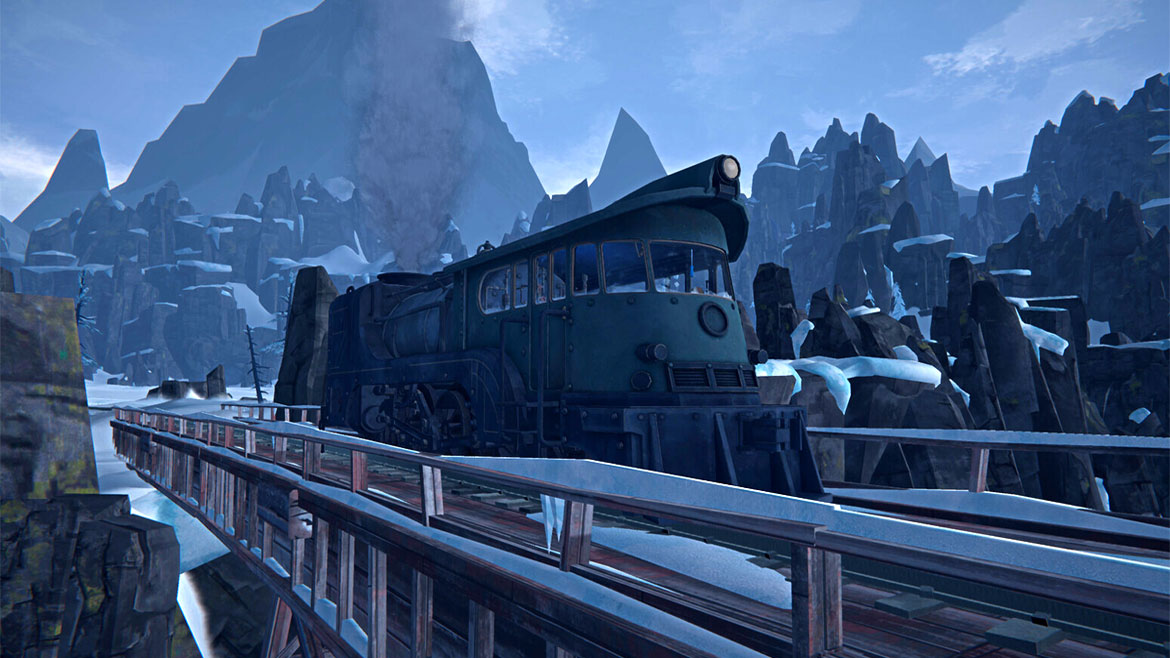 Despite the additional complexity, I found the locomotive surprisingly easy to operate once I understood the controls and maintenance requirements. Keeping it running became a satisfying activity rather than an irritating chore, and traveling across the frozen wilderness by rail quickly became one of my favorite experiences in the entire adventure. There’s something wonderfully satisfying about rumbling through a region that would otherwise require a dangerous journey on foot, especially when the local wolves can do little more than watch jealously as you pass through their territory.
The locomotive also changes how players approach exploration. Instead of hauling everything on your back, you can use the train as a mobile headquarters. I frequently parked near interesting ruins or other points of interest, ventured out to explore and then returned to my little cabin with whatever useful supplies I’d discovered. Having a relatively secure place to sleep, cook and store equipment makes those expeditions feel very different from conventional Long Dark survival. You’re still vulnerable to the weather, wildlife and other dangers whenever you leave the train, but there’s a reassuring sense of having a dependable home waiting nearby.
Players can also customize the locomotive to some extent, and I suspect that feature will become more substantial as development continues. Even in its current form, the train offers an impressive collection of useful capabilities.
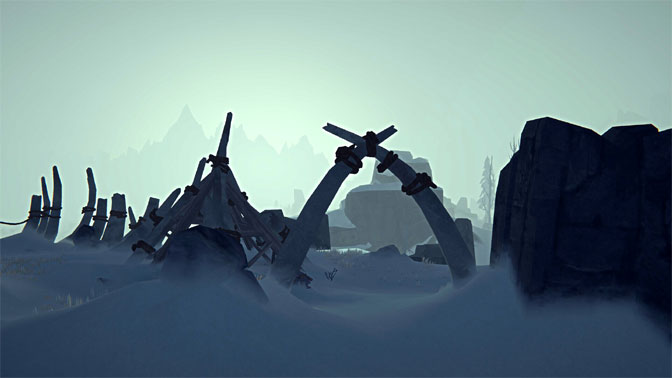 For all its promise, Iron Road is still a fairly rough Early Access experience. The tedious Fulmar transportation requirements, unfinished landscapes, occasional bugs and particularly frustrating wax cylinder recordings all need attention. In fact, I encountered more obvious work-in-progress elements here than in many other Early Access titles I’ve played. But none of those problems prevented me from enjoying the new region, and I didn’t encounter anything that completely broke the experience.
I’m particularly excited about the planned expansion of the railroad network. With 30 kilometers currently available and the prospect of eventually traveling across as much as 100 kilometers of track, there is plenty of room for Iron Road to grow into something truly special.
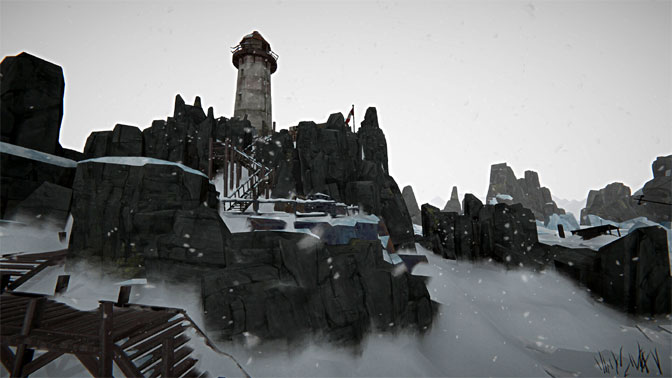 Because the DLC is still in Early Access, I’m holding off on assigning a numerical score until the full release. There are simply too many unfinished elements to evaluate it as a completed product, and I want to see how Hinterland addresses the existing problems and expands the experience. Even so, the train and surrounding environments are already becoming some of my favorite parts of The Long Dark’s survival sandbox.
Iron Road still has quite a journey ahead of it, but the locomotive is running, the adventure is exciting and I’m having a great time exploring the frozen wilderness from my new home on wheels. Cauldron Island is already a terrific destination, even if you probably won’t find it advertised in any tourist brochures.