
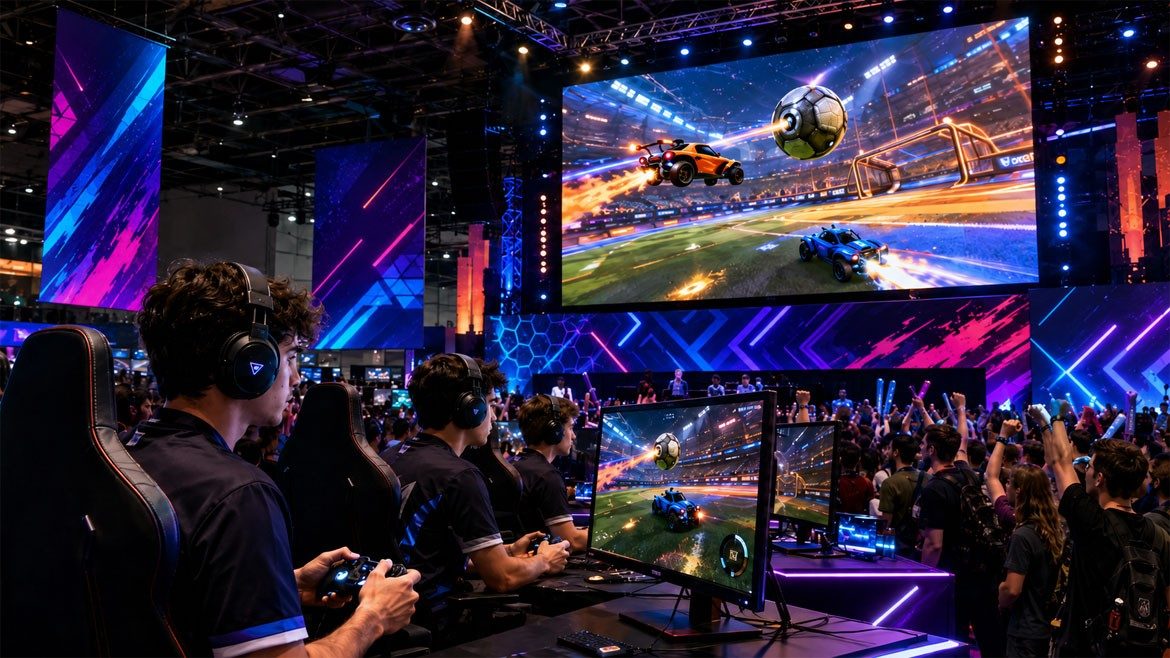
A livestream can show you the stage, but it cannot give you the man beside you shouting at a final-round comeback. Gaming conventions still pull people through the doors because shared excitement changes the experience, even when every trailer, demo and tournament result is already available online within seconds.
Most players now hear about new games through trailers, livestreams and storefront pages, so a convention can sound a bit old-fashioned until you actually walk into one. The noise, queues and packed demo stations give games a physical presence that an online reveal cannot fully copy, and that is exactly why these events still draw crowds.
The Convention Floor Still Does What a Homepage Cannot
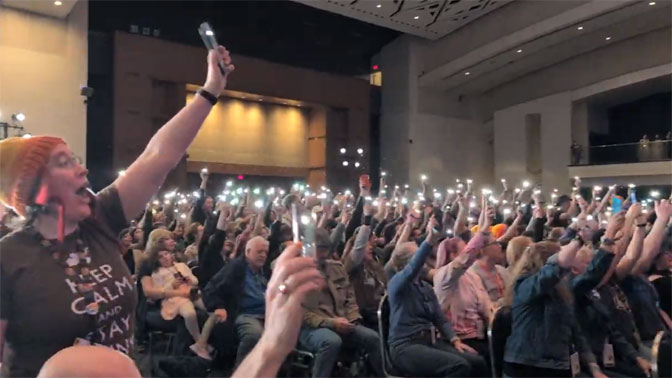 A good convention floor gives you a clear sense of where to go next. The biggest releases pull crowds, smaller booths reward a closer look and live competitions create pockets of noise around the hall. That layout is part of the experience. Without it, the event becomes a warehouse full of screens and expensive carpet.
Online gaming products deal with the same basic problem. Players need enough choice to explore, but they also need clear routes through the catalogue. The Australian-facing Casiny casino lobby separates pokies from live casino tables, with Drops & Wins games placed in their own area and provider filters helping players narrow the field. Curated sections also give the lobby a sense of direction, rather than asking you to scroll through thousands of tiles and hope something catches your eye.
The connection is simple. A convention organiser decides which attractions deserve space and where people will find them. A digital lobby does the same job through categories, search tools and featured content. Both live or die by whether the next interesting thing is easy to find.
Hands-On Play Still Cuts Through Digital Noise
 The online discovery problem is not a lack of information. It is the opposite. Developers posted 436,592 Steam Events during 2025, and those posts generated 3.13 billion player views. That is a huge audience, but every trailer, update and demo still competes with thousands of others.
A convention gives a game a few valuable minutes without another tab flashing in the corner. Players queue, pick up the controller and stay long enough to understand the idea. The developer also gets something useful in return: direct observation.
What Developers Learn From a Live Demo
- Players stopping at the same menu usually means the next step is unclear.
- Repeated missed instructions can expose weak tutorial wording or poor screen placement.
- A queue forming around one feature shows which part of the game grabs attention fastest.
- Questions asked again and again reveal what the game has failed to explain properly.
- Comments made after the demo show which characters, mechanics or moments people actually remember.
A convention demo gives developers context that raw data cannot. They can see the mistake, hear the question and watch the player’s reaction, rather than receiving a bare statistic showing where the session ended.
A Crowd Turns Gameplay Into an Event
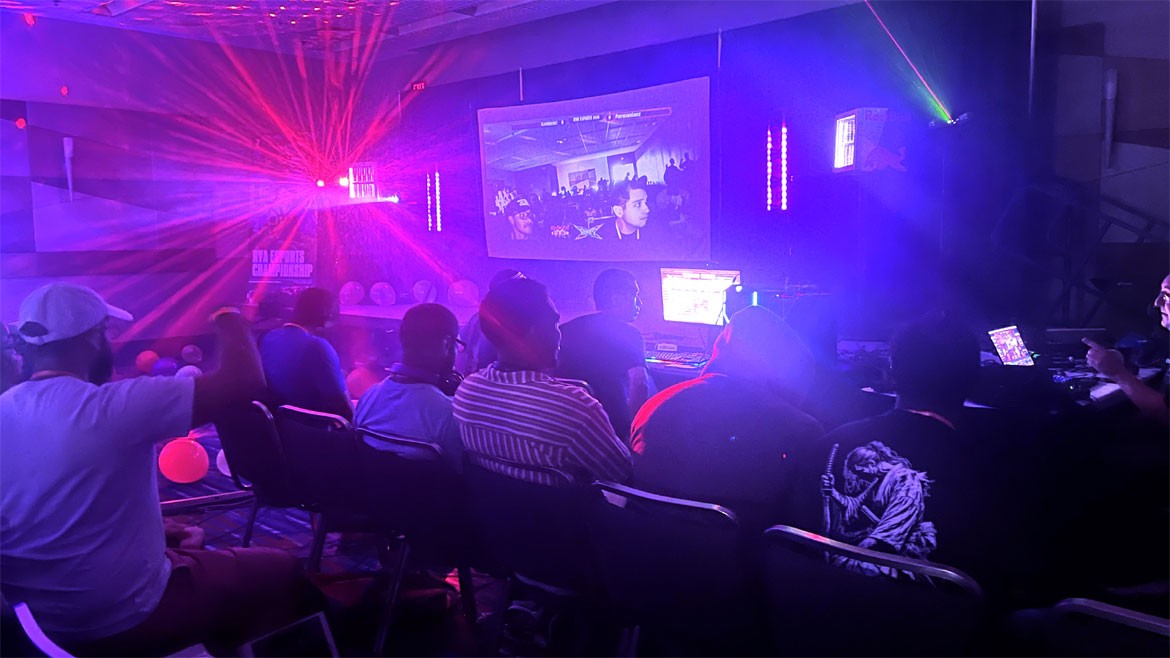
A match played at home can be tense, but a crowd changes the experience. People react to a comeback together, groan at the same mistake and gather around games they had never planned to watch. That shared response gives competitive play a kind of theatre.
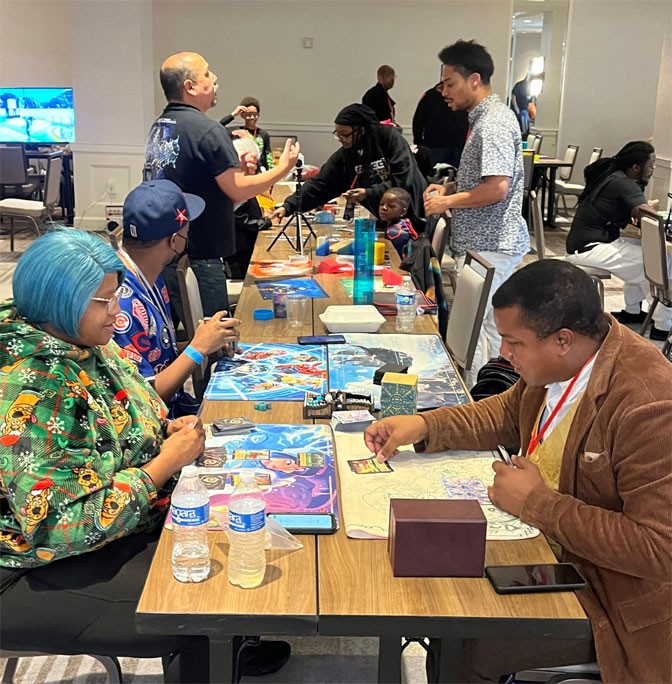
ImmerseCon 2026 brought esports tournaments together with robot battles, tabletop sessions and arcade games, giving visitors several ways to take part rather than simply stand around watching other people have fun. Street Fighter 6, Call of Duty and Rocket League all work online, yet the room changes when spectators can hear the buttons being hammered and see the players reacting in real time.
Casiny carries part of that human element into its live casino area. The games use real video streams and allow players to interact with dealers during table play, which gives blackjack or baccarat a social presence that a standard digital table cannot provide. The player is still online, but there is a person on the other side of the screen running the game.
The Numbers Still Favour Physical Attendance
PAX Aus’s official 2026 FAQ prices a one-day early-bird badge at AU$77 and a three-day badge at AU$185. The event runs from 9 to 11 October at the Melbourne Convention and Exhibition Centre, even though its major theatre programming is also livestreamed.
That price tells something useful: People are not paying AU$185 because they cannot watch a panel online. They are paying for access to playable games, tournament rooms and the crowd around them. The livestream delivers the content; the ticket buys the experience around it.
The two sides support each other. Online coverage gives the event a reach far beyond the building, but the footage still needs something worth filming. Empty halls do not make great television, unless your niche is watching cleaners stack chairs.
Digital Tools Are Strengthening the Physical Event
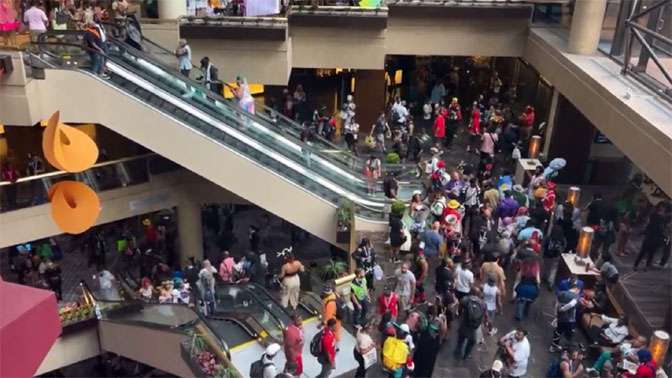 Modern conventions already begin before anyone reaches the venue. Apps carry schedules, exhibitor details and maps. Attendees plan which panels they want to see, then use their phones to work out whether they can cross the hall before the next session starts.
PAX XP takes that connection further by placing QR codes around the venue for visitors to find and scan. The app encourages people to move through the physical space, discover areas they may have skipped and treat the convention itself as a game. The phone does not replace the hall; it helps the hall work better.
The same idea applies to online entertainment across different devices. Casiny runs through a mobile browser on phones and tablets, with the same game lobby also available on desktop. Players can move between pokies, live tables and account tools without needing a separate native app. That continuity is practical because the interface travels with the player, rather than forcing a fresh setup every time the screen changes.
Digital tools have therefore become part of the physical event’s plumbing. They handle planning and navigation, leaving the convention floor to handle the human contact.
Community Is Still the Part You Cannot Download
Lauren Luciani, Event Director of PAX Aus, summed up the central point in March 2026 when she said, “it’s really the passion and energy of our community that truly powers the event”.
The numbers behind the biggest conventions support her point. Gamescom organisers Koelnmesse and the German Games Industry Association reported in August 2025 that the Cologne event attracted 357,000 visitors and 1,568 exhibitors from 72 countries. More than 34,000 trade visitors attended, and international companies accounted for 70% of exhibitors.
Those figures show a gaming industry that is global online and still willing to travel. Developers want direct feedback. Publishers want attention. Players want to meet the people behind the games and spend a weekend around others who understand the same references.
Casiny uses recurring Drops & Wins tournaments, loyalty rewards and a referral programme to give players reasons to return rather than treating every session as a separate visit. The format is digital, but the idea comes from the same place as a convention programme: participation grows when there is another event on the calendar and some recognition for coming back.
The Screen Was Never the Whole Experience
 Online distribution now handles most of gaming’s everyday business. It gets trailers in front of millions, puts demos into homes and lets communities stay connected between releases.
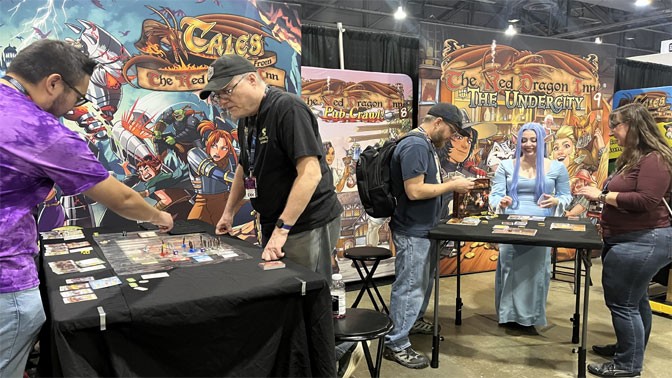
Conventions still earn their place because gaming is also something people like to do together. A packed demo station, a tournament crowd or a conversation with a developer gives the hobby a physical side that no storefront page can replace. The internet keeps the industry running every day; conventions remind everyone there are real people behind the screens.
Gambling is for entertainment purposes only and should never be treated as a way to make money. Only gamble what you can afford to lose. 18+ only.