

Entertainment in digital forms is now available to nearly anyone. From games to streaming services to mobile apps and online jili games, a virtually limitless number of options are available to the public. Even in light of the fact that so much entertainment is at people’s disposal on their computers and mobile devices, the popularity of board games continues to grow. Instead of all forms of electronic entertainment, tabletop gaming has prospered as well, appealing to every demographic around the world, not just families with kids or casual hobbyists.
Board games, however, have found their own niche in the modern entertainment scene, showing how ludicrous the idea of the entire entertainment world depending on technology is.
The Value of Playing Together
People need to be brought closer together, and this is one of the main reasons why board games are still valid in today’s gaming environment. Although video games, such as the most popular video games, have similar social multiplayer gameplay through the Internet, board games allow people to communicate with each other face-to-face, listening to each other’s responses and emotions, negotiating a game strategy, and rejoicing over the accomplishments of the other players or laughing at their defeats.
Be it a game night with family or friends or the local community gathering, board games provide a perfect opportunity for interactive gaming activities. Players are not just looking at their monitors; they are having fun and creating beautiful memories together while playing.
The social side of board games allows enjoying them throughout life and age. This means that parents, kids, grandparents, and anyone can play with each other at the same table while bonding.
Modern Board Games Have Changed the Hobby.
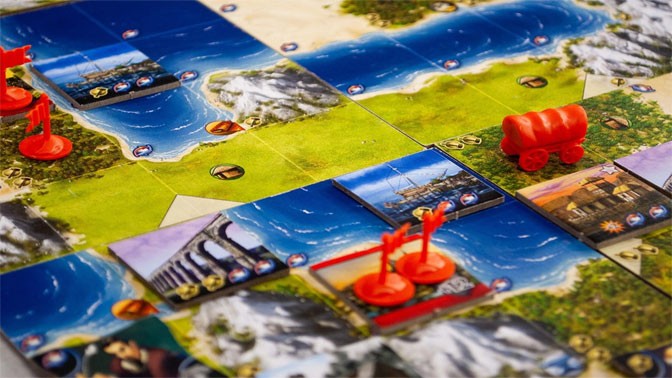 Many people may think of board games as classics, which include Monopoly, Scrabble, or Clue. Although these games are still widely used today, the board game industry has seen tremendous growth in the past two decades.
In today’s world, board games come in various themes, mechanics, and gameplay possibilities. Strategy games such as Catan focus on resource management and negotiation, while Ticket to Ride has a gameplay of route planning. Similarly, in cooperative games such as Pandemic, players do not compete against each other.
Thus, there is a wide selection of games that match individual players’ interests and play experience because there is a game suggestion regardless of the chosen topic.
Technology Has Helped Board Games Grow
People often think of board games as being compared to video games and other digital entertainment, but technology has contributed a lot to the development of the hobby.
Thanks to instructional videos, players can learn the rules before even unwrapping the game, which makes difficult games not so scary. Review channels, podcasts, and social media platforms tell people about the newest games on the market and help players find the right games for them. The development of digital stores helped publishers get access to a wider market.
A lot of tabletop games now have apps, which can help players keep track of scores, tell the story, play the music, or randomly determine a player’s fate. Such applications are only here to make the game easier; the experience of being at the table with friends remains unchanged.
Communities Continue to Grow
Board games are no longer just played in the comfort of one’s living room, but they are now played in cafés, libraries and hobby shops, where people congregate with their fellow hobbyists. In addition, frequent game nights as well as local competitions introduce novices to this family-friendly pastime and help in maintaining friendships among seasoned players.
The introduction of crowdfunding has also assisted many independent designers in transforming their projects into reality and allowing them to attract the attention of numerous games around the world. As a result, the game industry has gained momentum on a continuous basis.
The rise of these communities also illustrates the fact that in many cases the enjoyment of playing board games relies not only on the games themselves but is also a matter of the company you play with.
More Than Just Entertainment
 Besides being entertaining, board games also serve other purposes. They help develop critical thinking, problem-solving, resource management, and adaptability skills among players. Teamwork and communication skills are encouraged by cooperative games. Strategy games enable players to plan every move carefully and think for the future.
Educational institutions have also started using board games as educational tools to help students with math, geography, and language development.
Another advantage is that family members can use board games to communicate properly and develop patience and sportsmanship among children.
Despite the fact that having fun is the crucial goal of board games, these benefits of board games help people of different ages appreciate their charm even more.
Digital and Tabletop Games Can Coexist
The increasing popularity of board games does not mean that other forms of entertainment are becoming less popular. In fact, board games and video games often work well together. For many people, playing video games and board games is an enjoyable way to pass the time, as the two types of games create different experiences.
Video games are better for active play, providing virtual, real-time action and online interaction. Board games, on the other hand, allow playing in person, interacting with the material in a more tactile way, and having a truly social experience. Playing one game does not stop someone from playing the other game, as people tend to pick the right game for the right situation like competitive fun, cooperative storytelling, or spending time with friends.