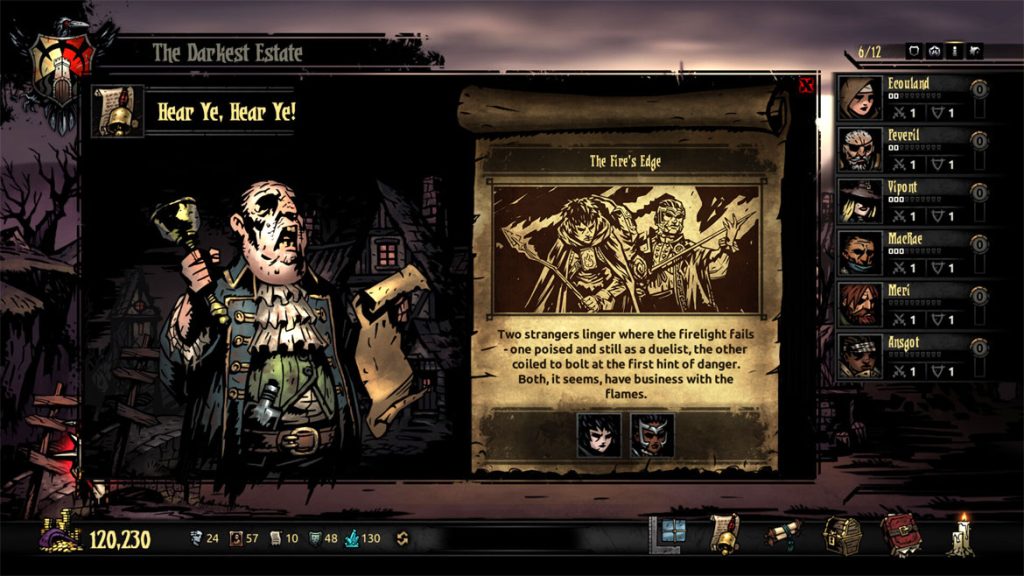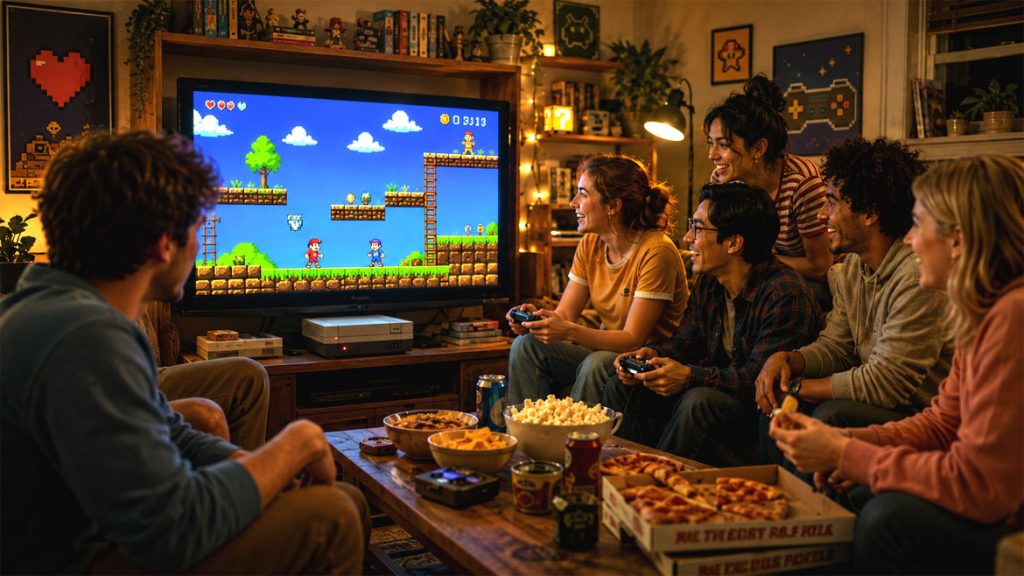

More than 4,200 playable demos appeared during a single week of Steam Next Fest in June 2026, according to reporting from Tech-Insider. That’s four thousand games you could have tried without spending a cent, all in seven days.
It’s a good time to be an Australian player. We spent over AU$4.2 billion on games in 2025, a 12% lift on the year before, based on consumer sales figures published by IGEA in June 2026. With that much choice on the table, the free trial has become the most useful tool we’ve got. The same instinct shows up beyond traditional video games too. A vegastars promo can be used as a wider example of how online entertainment platforms use trial-style offers, bonuses, and limited-time rewards to help users explore what is available before committing more time.
So let’s talk about what separates a demo worth your Tuesday night from one you’ll close after four minutes; why the release calendar decides which ones you even see; what local studios bring to the format; and how the try-before-you-buy habit runs right through Australian entertainment now.
The Twenty-Minute Audition
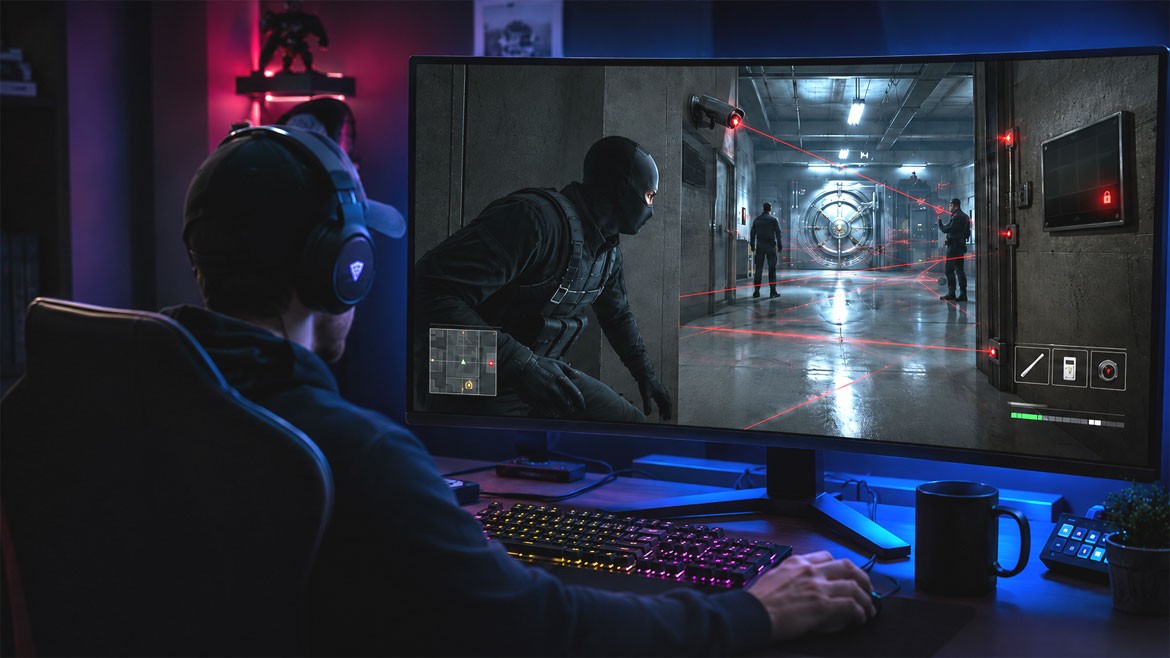 A good demo works like a short, finished thing. Not a trailer you happen to hold a controller for, but a genuine slice of the loop you’d be paying for later.
The numbers back this up in a way that might surprise you. Chris Zukowski’s analysis at How To Market A Game, published in late June 2026, found that a 24.5% play-and-wishlist rate counts as strong performance among developers who submitted their June Next Fest data. Worth being straight with you here: that’s self-reported information from studios who chose to share it, so treat it as indicative rather than gospel. Second Stage’s April 2026 breakdown puts the same idea differently, suggesting anything above roughly 20% signals a well-matched audience.
Flip that around and roughly three-quarters of players finish a demo and walk away.
We should be pleased about that. Every one of those walk-aways is someone who avoided a purchase that wouldn’t have suited them. A demo that helps you say no has done you exactly as much good as one that convinces you to buy, and studios building honest trials know it. They’re not trying to trick you into checkout; they’re trying to find the players who’ll genuinely enjoy what they’ve made.
The demos that succeed tend to front-load their best idea, tell you roughly how long they’ll take, and end at a point that feels deliberate rather than abrupt.
Why the Calendar Does Half the Work
Quality only gets a demo so far. Timing does a surprising amount of the rest, and once you understand the rhythm, you’ll find better games faster.
Think of it the way you’d think of a food festival. The dates are public, the sampling is free, and knowing when to turn up puts you at the front of the queue. Valve has confirmed the next Steam Next Fest runs from 19 to 26 October 2026. Put it in your phone now.
Data from the February 2026 event, analysed by Voxel Game Discovery in May, showed that between 68% and 88% of wishlists came from people who never opened the demo at all. The button being there was enough. Voxel’s numbers also indicated that the strongest performers had published their demos ahead of the festival rather than on day one, while Althera Games’ June post-mortem pointed to a critical seven-day window and a sixteen-week preparation runway behind the better showings.
When you’re browsing this October, these are the signals worth watching for:
- A demo that’s been live for a few weeks already, which usually means it’s had feedback and patches
- A stated playtime on the store page, so you know what you’re committing to
- A named release window rather than a vague someday
- A build that saves your progress, letting you come back after dinner
- Genre tags that match the game you’re being shown, not the game the studio wishes it made
It’s a small thing, but the presence of a demo button has become a quality signal all on its own.
That same weekly rhythm shows up elsewhere in Australian entertainment. Vegastars runs a Free Spins Friday offer that works on exactly this principle, giving people a fixed point in the week to look forward to. Predictable beats random when you’re trying to build a habit worth keeping.
The Home Advantage
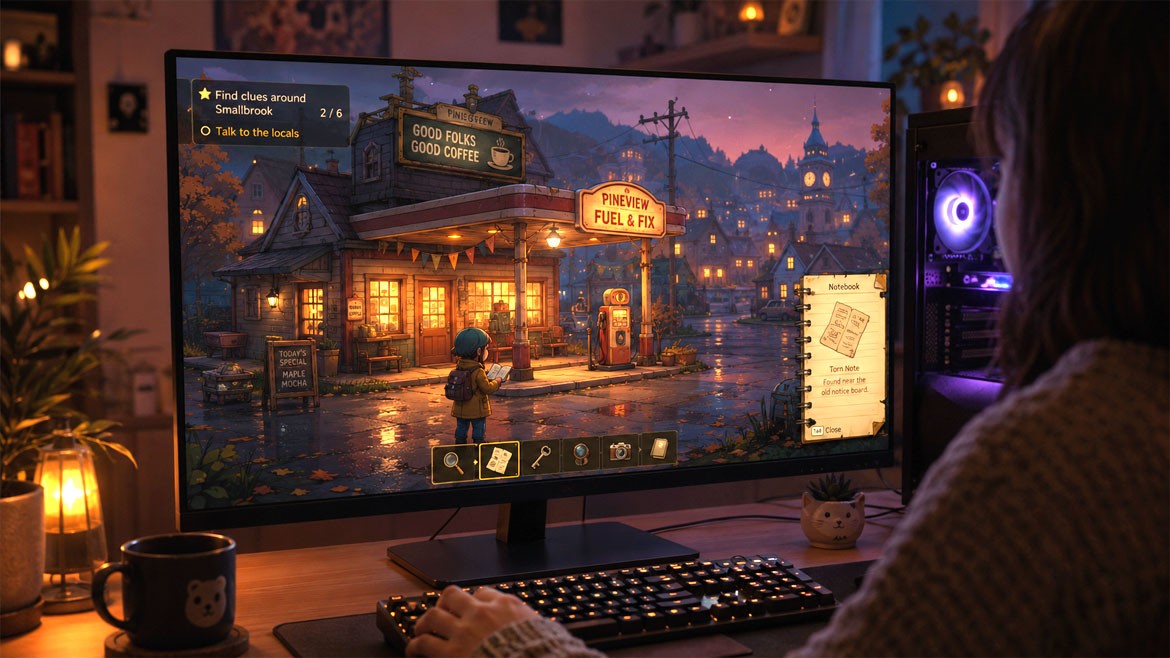 If timing shapes which demos you see, the people making them shape whether those demos are any good. Australian studios are in an unusually strong position here, and it comes down to the mix of who’s building locally.
The tenth annual Australian Game Development Survey, released by IGEA in March 2026 with Bond University and supplementary data from Sensor Tower, recorded AU$608.5 million in local sector revenue for FY25 across 2,443 full-time roles. Within that, 31% of studios were working on their first commercial game while 30% had been going a decade or more. Newcomers with something to prove, sitting alongside veterans who know how to finish things. Geographically, research from the University of the Sunshine Coast published in January 2026 puts 39% of studios in Victoria, 25% in New South Wales and 20% in Queensland.
Who are they building for? Dr Jeffrey Brand of Bond University, who has led the long-running Digital Australia research, explains:
“The average Australian gamer is 32 years old and we’ve moved well away from the traditional teenage boy stereotype of a gamer.”
That single fact explains most of what’s improved about demos lately. A thirty-two-year-old with work tomorrow doesn’t have three hours to wait for a game to get good. They’ve got forty minutes, maybe an hour, and they’ll decide inside the first ten.
When did you last finish a demo and feel the studio had genuinely valued your evening?
Australia’s Try-Before-You-Buy Habit
None of this sits in isolation. Sampling before committing has become how we approach entertainment spending generally, and the growth figures suggest it’s working out well for everyone.
Hardware sales here climbed 37% during 2025, lifted substantially by the Switch 2 arrival, as detailed in IGEA’s consumer sales data. Newzoo forecasts 4.8% compound annual growth in Australian game revenue between 2025 and 2028. A separate methodology from IMARC Group values the Australian gaming market at USD 2.7 billion in 2025 with a projected 7.00% annual growth rate through to 2034. Two independent approaches, pointing the same direction.
Here’s how the sampling instinct shows up across three corners of Australian entertainment:
| Category | How you try first | What it costs upfront |
|---|---|---|
| PC and console games | Free demos at events such as Steam Next Fest | Time only |
| New hardware | In-store trials or hands-on launch displays | Nothing |
| Online casino play | Welcome offers, free spins or promotional bonuses | Usually a qualifying deposit |
Vegastars structures its welcome offer across the first three deposits, building to AU$6,000 alongside those free spins, and adds daily cashback of up to 10% credited as real money with no wagering conditions attached. Terms you can read once and understand are rare enough to be worth pointing out. Regular players also get access to weekly reloads between 30% and 50% through a nine-tier VIP structure.
Different category, same underlying idea: let people see what they’re getting before they decide.
The Best Demos Give Something Back
 What brings all of this together is confidence. A demo is the one place in the games market where a studio’s belief in its own work becomes measurable before any money changes hands. You can’t fake a good first hour.
That thread runs through everything above: the 24.5% conversion figure that signals a genuine audience match, the four thousand studios willing to put their work in front of strangers for free, and the AU$4.2 billion Australians happily spent last year on games they’d largely had a chance to sample first.
The format keeps getting better because the incentives line up. Studios preparing sixteen weeks out for October know that a rushed build costs them more than no build at all. Players get sharper at reading the signals. And with growth forecast through 2028, there’s every reason to expect more studios to invest properly in the trial rather than treating it as an afterthought.
Browse with intent this October. Look for the demos that respect your clock, that end where they mean to, and that leave you wanting the rest.
What else in entertainment lets you spend an hour with something before deciding whether it’s earned your money?
Advisory Notice: Gambling should be treated strictly as entertainment, not as a way to make money. Players should set a clear spending limit before playing, avoid chasing losses, take regular breaks and stop if the experience no longer feels enjoyable or affordable.