
Most people assume that watching high-level World of Warcraft gameplay feels stressful. Mythic dungeons are packed with dangerous mechanics, overlapping effects, precise interrupts, and split-second decisions that can wipe a group instantly. But sometimes the opposite happens. Instead of chaos, you end up watching something that feels surprisingly calming.
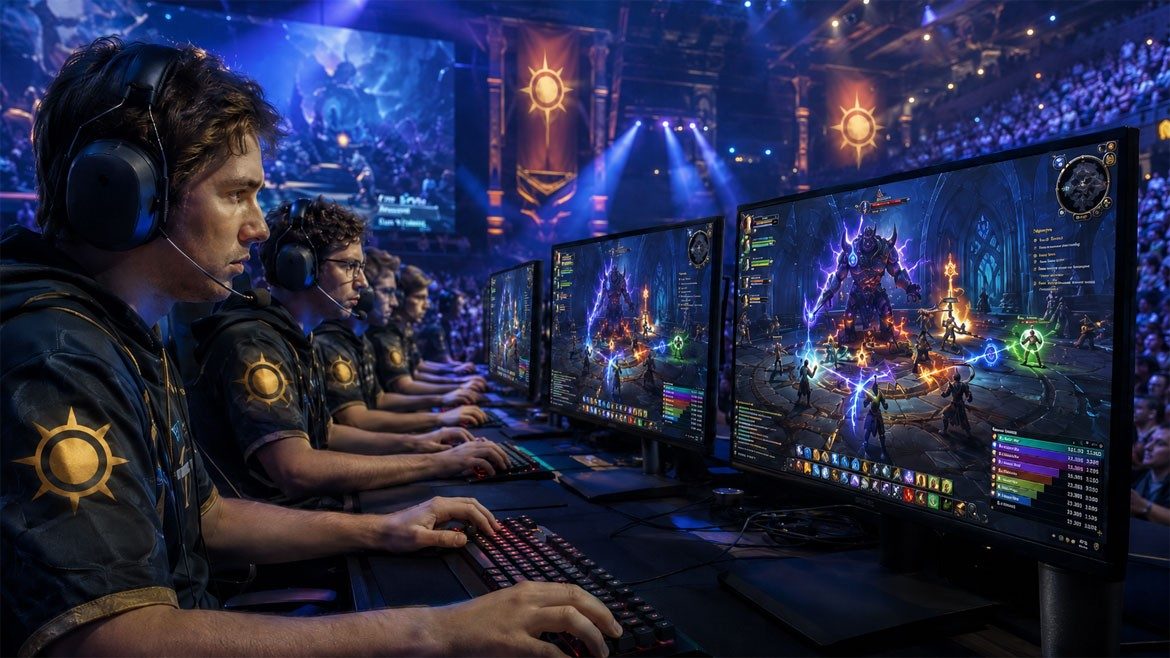
That was the strange feeling I had while watching a wow mythic carry run built around a tournament-style rotation. At first I clicked on the stream expecting the usual loud reactions and frantic gameplay. Instead, what I saw looked more like a rehearsed performance. Every pull followed a rhythm. Cooldowns rotated in clean sequences, players swapped responsibilities at exact moments, and short callouts guided the entire run without unnecessary noise.
The experience felt less like watching random online gameplay and more like observing a coordinated esport team executing a practiced strategy.
Why Tournament Rotations Look Different
The biggest difference between ordinary dungeon groups and tournament-level gameplay is structure. In normal pickup groups, players often react emotionally to mistakes. Cooldowns overlap, positioning becomes messy, and communication usually happens after problems appear.
Tournament rotations work differently.
The tank already knows the exact route before the dungeon begins. The healer tracks incoming damage patterns several pulls ahead. DPS players save offensive cooldowns for predetermined windows instead of using them randomly. Even interrupts are assigned before combat starts.
When you watch this type of gameplay, your brain quickly recognizes the consistency. Mechanics repeat in familiar patterns. Timers line up predictably. Defensive abilities appear exactly when expected. Instead of sensory overload, the dungeon becomes understandable.
That predictability creates a strangely relaxing viewing experience.
The Rhythm of Cooldowns and Swaps
One of the most satisfying parts of watching organized Mythic gameplay is the rhythm created by cooldown rotations.
Every major pull has a tempo. A tank defensive starts the engagement. Damage cooldowns explode during grouped enemies. A healer stabilizes the party through dangerous mechanics. Then the pace settles briefly before the next burst window begins.
The timing almost feels musical.
You start noticing how experienced groups avoid overlapping resources unnecessarily. One player commits a cooldown while another holds theirs for the next pull. Tanks swap responsibility naturally. Players reposition before mechanics even appear because they already know what comes next.
That level of preparation transforms what should feel chaotic into something easy to follow.
Communication Without Noise
Another reason tournament-style carries feel calming is the communication style.
In many online games, voice chat becomes cluttered with reactions, complaints, or panic. But high-level Mythic groups usually communicate with extreme efficiency. Callouts become short and functional.
The simplicity matters because every callout has purpose. Nobody wastes attention on unnecessary commentary. The result is an environment where viewers can easily connect actions to communication. You begin understanding the dungeon flow naturally, even without knowing every mechanic yourself.
Why Carries Feel More Predictable Than Pugs
Random groups often feel exhausting because nobody shares the same expectations. Routes change suddenly. Players disagree about mechanics. Mistakes create confusion that spreads through the run.
Because responsibilities are clearly defined, outcomes become easier to predict. Viewers can sense when a dangerous moment is approaching, but they also trust the group already has an answer prepared.
That confidence changes the emotional tone of the entire dungeon. Instead of anxiety, you feel anticipation.
The Spectator Appeal of High-Level WoW
Competitive World of Warcraft has quietly developed many qualities that make traditional esports enjoyable to watch. Tournament Mythic gameplay combines strategy, execution, communication, and visual timing in ways casual gameplay rarely achieves. Even viewers who don’t fully understand the dungeon can appreciate the coordination. You notice patterns, recognize synchronized movement, and understand success through rhythm alone.
That’s what makes these runs unexpectedly engaging. They turn overwhelming gameplay into something readable. At a certain point, you stop watching for loot or rewards and start watching for the choreography itself. And somehow, in the middle of all the spell effects, timers, and mechanics, the entire thing becomes calming instead of stressful.