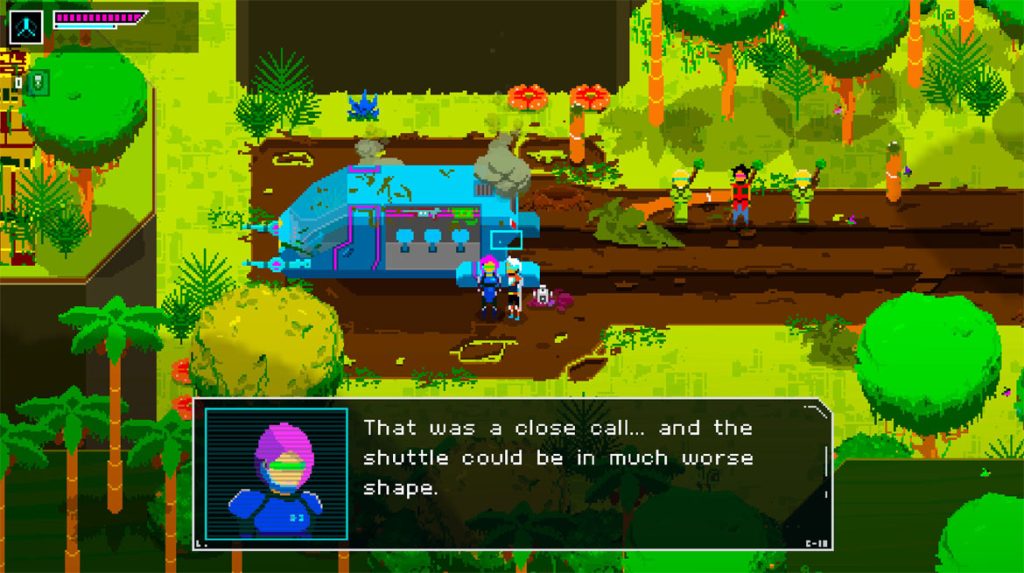


The mobile gaming ecosystem has expanded into a global powerhouse, capturing billions of active users daily. In recent years, gaming industry news has highlighted a massive behavioral shift: players are increasingly moving away from hours-long, intensive console sessions toward friction-free micro-engagements. This evolution raises a fascinating psychological question: how do seemingly simple mechanics manage to capture hours of collective attention every single day?
Discovering how developers engineer these micro-moments reveals why an expanding demographic effortlessly transitions from simple physics puzzles to exploring the virtual mechanics of a gamified Sweepstars casino platform hosted online. By understanding the cognitive drivers behind these short sessions, developers have unlocked unprecedented levels of player engagement. The modern smartphone has transformed from a mere communication tool into a highly optimized behavioral delivery mechanism.
The Psychology of Micro-Engagement in the Mobile Era
Modern digital media has fundamentally reshaped our attention spans, giving rise to “snackable” content across all entertainment sectors. Within this landscape, the classic time waster has evolved from a mindless distraction into a finely tuned psychological tool. Developers intentionally engineer these games to fill the dead space in our schedules – whether it is a two-minute subway commute or a brief waiting period between tasks.
According to recent data, the average user opens a hyper-casual title up to 6 times a day, prioritizing instant accessibility over deep narrative.
This high-frequency interaction model relies entirely on immediacy. By removing narrative friction and extended loading screens, mobile titles offer an instant psychological escape hatch from daily routine.
The Dopamine Loop: Action, Feedback, and Instant Gratification
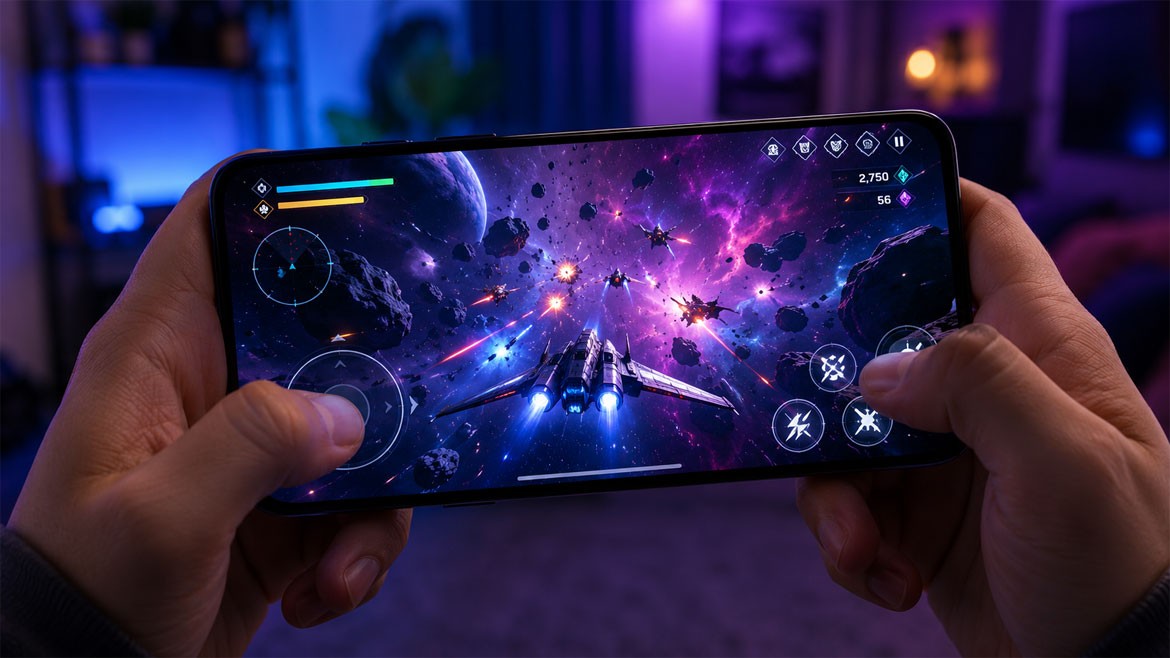 At the core of this micro-engagement framework is the neurological loop of trigger, action, and reward. Every touch, swipe, or tilt in a successful mini-game triggers immediate feedback that stimulates the brain’s reward center.
- Haptic Feedback: Subtle phone vibrations create a physical sensation of impact and physical presence.
- Visual Splendor: Explosions of color, flashing particle effects, and celebratory text banners create a sense of accomplishment.
- Acoustic Rewards: Highly satisfying sound bites (such as chimes, clicks, or ascending musical scales) signal success directly to the subconscious.
Anatomy of the Ideal Time Waster: Stripping Mechanics to the Core
The most profitable casual games on the market operate under a strict “zero-barrier to entry” design philosophy. If a user cannot intuitively understand how to play within a single second of launching the application, the onboarding process has failed. By stripping away complex controls, tutorials, and menus, creators maximize the immediate playing window.
Hyper-Casual Efficiency vs. Deep Mobile Adaptations
While pure hyper-casual titles focus entirely on mechanical minimalism, other segments of the market adapt deeper progression loops for mobile audiences. This creates a fascinating divide in how engagement is sustained over time.
| Game / Style | Core Mechanic | Average Session Length | Primary Retention Trigger |
| Stickman Hook (Hyper-Casual) | One-tap physics / Rhythm | 30–90 seconds | Instant mechanical mastery |
| Stardew Valley (Mobile Port) | Streamlined resource management | 5–10 minutes | Long-term progression & narrative |
The Evolution of In-Game Rewards: Risk, Tension, and Virtual Triumph
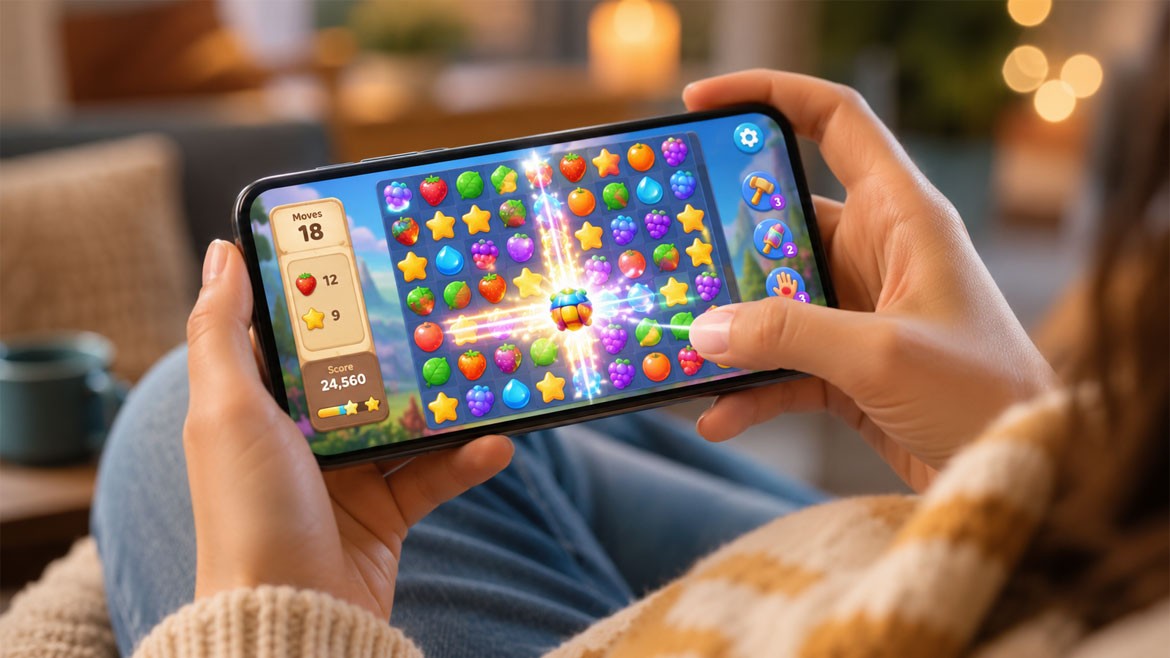 As the mobile landscape matures, in-game rewards have progressed far beyond static high scores. Modern gamification frameworks introduce dynamic systems where tension and relief dictate the player experience.
The psychological appeal of balancing risk versus reward serves as a powerful bridge between different digital ecosystems. For instance, this exact balance of calculated risk and rapid rewards explains why an increasing number of players naturally transition from traditional casual games to exploring the best casino games hosted on heavily gamified platforms utilizing a legal Sweepstakes system.
The Rise of Sweepstakes Systems in Modern Digital Entertainment
By blending traditional casual design with a compliant Sweepstakes framework, developers have introduced a novel layer of psychological validation. When players realize that their mechanical achievements can connect to tangible rewards, engagement metrics skyrocket. This convergence marries the effortless loop of casual play with the genuine excitement of real-stakes gaming.
The Future of Mobile Micro-Ecosystems
Mobile mini-games have officially graduated from pixelated pastimes to sophisticated behavioral science platforms. By mastering short-form engagement, predictive reward loops, and friction-free mechanics, developers have redefined how we interact with software. As AI-driven hyper-personalization begins to tailor game difficulty and reward timing in real-time, the modern digital time-waster will only become more compelling, permanent, and deeply integrated into our daily routines.
Frequently Asked Questions (FAQ)
What makes a mobile game an effective “time waster”?
An effective title combines immediate mechanical feedback, a zero-barrier entry point, and satisfying short-term goals. These elements trigger rapid dopamine release, allowing players to feel a sense of completion and success within a session lasting less than two minutes.
How does the balance of risk and reward drive modern player retention?
Players remain consistently engaged when a game introduces just enough systemic tension – such as the risk of losing immediate progress or currency – balanced against a high probability of an emotionally validating, rapid reward. This tension-and-release cycle keeps the brain actively invested.