
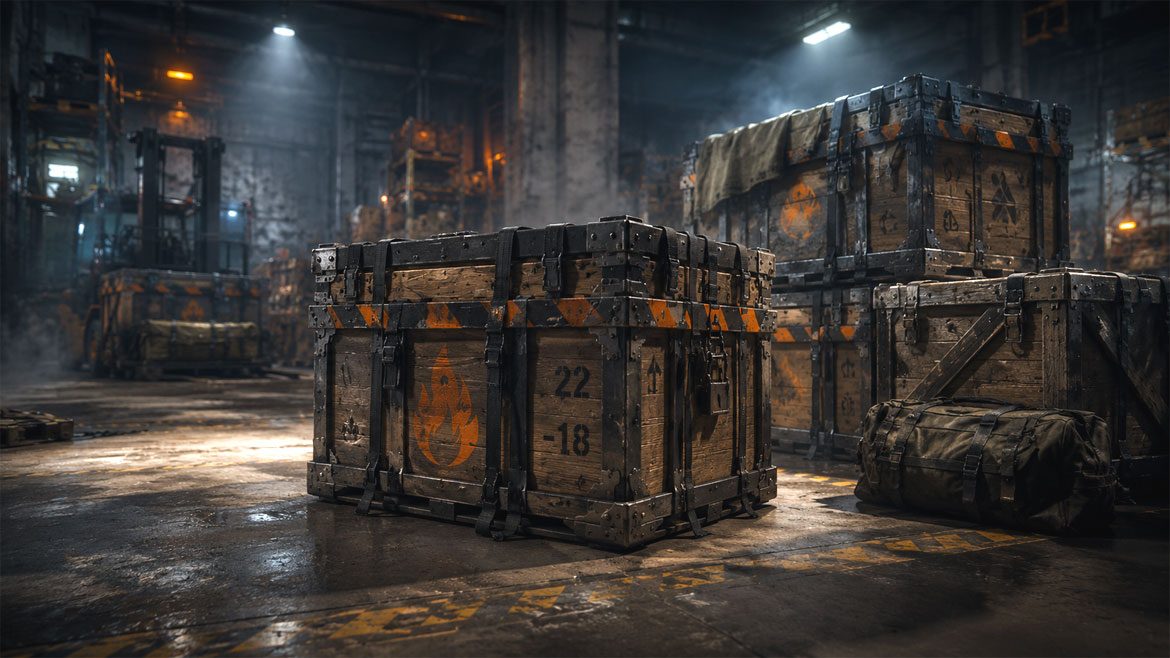
Case openings in Counter-Strike 2 are estimated to generate more than $1 billion per year for Valve. No ad campaign is needed, only millions of players paying for a key and hoping for a knife, gloves, or another rare drop. The system works like a digital lottery ticket inside CS2 and has remained part of player behavior for more than a decade. The case itself can drop for free, but the key always comes from Valve. That simple step supports a huge skins market, keeps players opening cases, and now attracts regulators who view random paid rewards with real market value as a form of gambling.
The Numbers Are Staggering
A Billion Dollars From Keys
Estimates based on Steam Community Market data put Valve’s 2025 CS2 case revenue above $1 billion. Players opened more than 400 million cases during the year, and each opening needed the same paid step. The player had to buy a $2.50 key from Valve. March 2025 showed the scale clearly, with around 32 million openings and roughly $100 million in spending. Key sales alone were estimated above $82 million.
Free Drops, Paid Openings
Cases can still enter player inventories through the weekly care package, so the first item can arrive without a direct purchase. The paid part starts only when the player opens it. This is the working loop of CS2 cases. Weekly drops create supply, keys create revenue, and rare items keep the opening habit active. Around the same period, the CS2 skins market cap reached about $5.8 billion, showing how much the case economy had grown after 13 years of Counter-Strike case openings.
How Case Opening Actually Works
A CS2 case can drop for free, but opening it requires a $2.50 key bought from Valve. After the key is used, the result follows tier odds that Valve published in 2018:
- Mil-Spec: ~79.92%
- Restricted: ~15.98%
- Classified: ~3.20%
- Covert: ~0.64%
- Rare Special Item (knife/gloves): ~0.26%
Official CS2 cases have about 62% RTP, so every $1 spent returns about $0.62 in skin market value in the long run. Float affects every skin, while StatTrak appears in about 10% of eligible case drops. Together, these factors can make the same skin cost two to four times more depending on the item. Valve sells keys, while secondary-market demand forms skin prices.
Why Players Keep Opening
Liquidity Makes Cases Feel Different
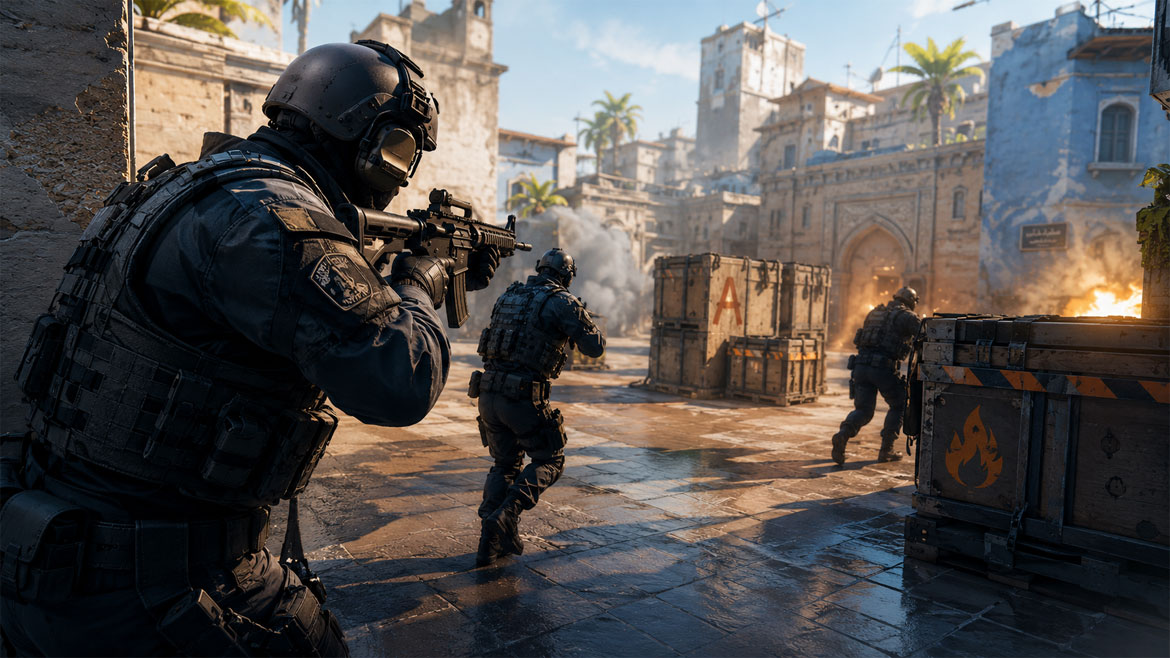 The main difference between classic loot boxes and cases is liquidity. A dropped skin can be sold for real money. This turns case opening from pure spending into a gambling-like action with real stakes and reduces part of the negative reaction around random results. Steam Community Market also matters because Valve takes a fee from every skin sale after the case has already been opened, with CS2 items carrying a 15% total market fee. A player either opens a case with a key or uses skins as inputs for a contract. Third-party platforms where players open CS2 cases outside Steam’s official client have expanded that model with formats the base game doesn’t offer, including case battles and upgraders. They also show transparent RTP before opening, which gives players more visible information than the standard CS2 case screen.
Why Cases Became Their Own Marketing Channel
Rare drops also promote the system without a normal ad campaign. A knife, gloves, or expensive skin is easy to share as a screenshot, clip, stream moment, or market listing. Other players can see the result, check the price, and understand the possible reward in seconds. That visibility keeps cases present in CS2 culture even when a player isn’t opening one. Rare drops become proof that the reward loop still works, while bad openings still create content around risk, luck, and repeat attempts. Cases no longer rely only on in-game placement. Players, creators, inventories, and market prices keep advertising the mechanic for Valve.
The Legal Storm Around Cases
Why Regulators Care
The same liquidity that gives CS2 skins value also creates the legal problem. A case result is random, the key is paid, and the item can carry market value after the drop. That combination pushes cases close to gambling in the eyes of regulators. Belgium and the Netherlands have already imposed restrictions around loot boxes, and Germany added the X-Ray scanner for local players on March 16, 2026.
Valve Is Moving Toward Direct Choice
The pressure is no longer only European. In February 2026, the New York Attorney General sued Valve and argued that loot boxes in CS2 and other Valve games promote illegal gambling.Valve publicly responded in March 2026, denying the claims and stating it had spent years explaining its systems to the AG’s office since their first contact in early 2023. In May 2026, Valve filed a motion to dismiss, arguing that penalizing its cases would create a slippery slope that could equally affect baseball cards, Happy Meal toys, and other consumer products involving random rewards. An Austrian court had already sided with a player in a CS case refund dispute. At the EU level, the Digital Fairness Act keeps loot boxes in the wider consumer-protection discussion.
Valve’s response is visible in CS2 itself. On September 16, 2025, Valve added the Genesis Uplink Terminal, where players can reveal direct skin offers instead of opening a standard case. At the IEM Cologne 2026 Major in June 2026, Valve went further and replaced capsules entirely with a token-based shop where players purchase any sticker directly. Prices are not fixed: they adjust dynamically based on demand, with popular player autographs and team logos fluctuating in cost throughout the event.
Where Cases Go From Here
CS2 cases are not disappearing, but they are changing. Regulatory pressure is pushing Valve toward more transparent and deterministic formats, including visible odds, X-Ray, and direct purchases instead of pure random openings. For players, this means less blind lottery logic and more control over what they receive. The core appeal remains. A case can still produce a rare knife, gloves, or valuable skin that can be sold, traded, or kept in a player’s inventory. After more than a decade of Counter-Strike case openings, the ritual remains one of the most recognizable parts of the game, now with new rules around random rewards. That balance is likely to define how cases work in the next stage of the CS2 skin economy.