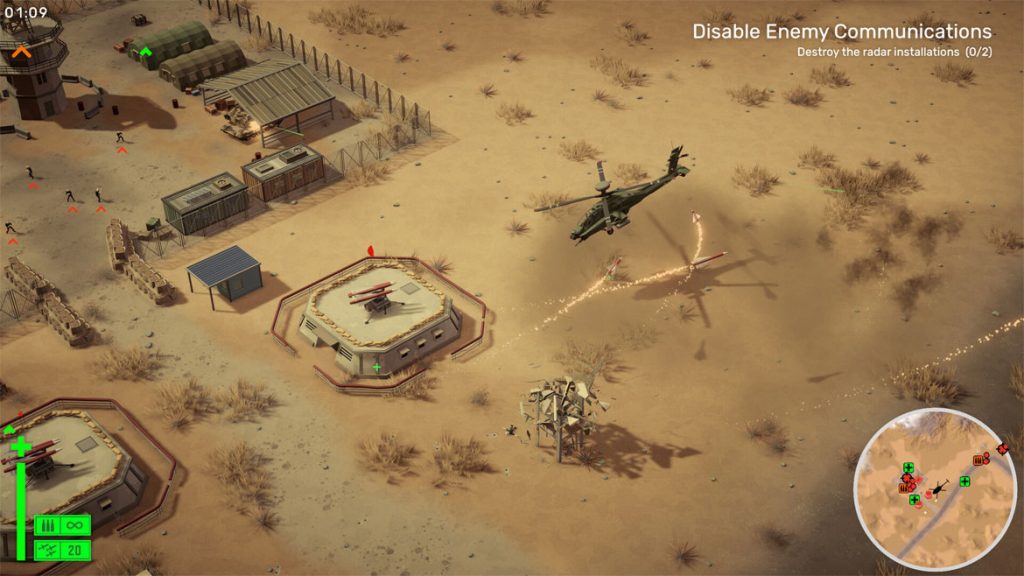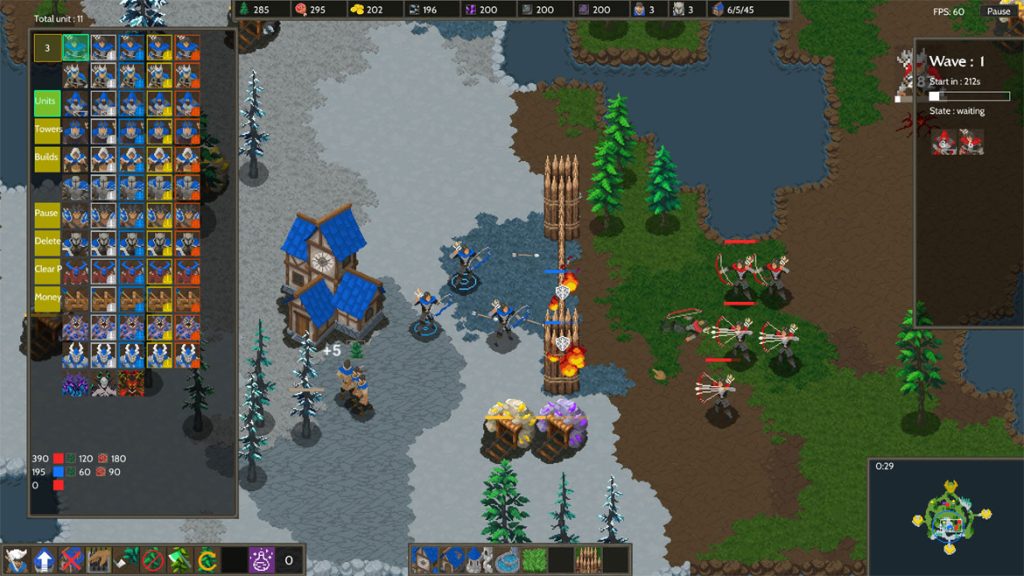

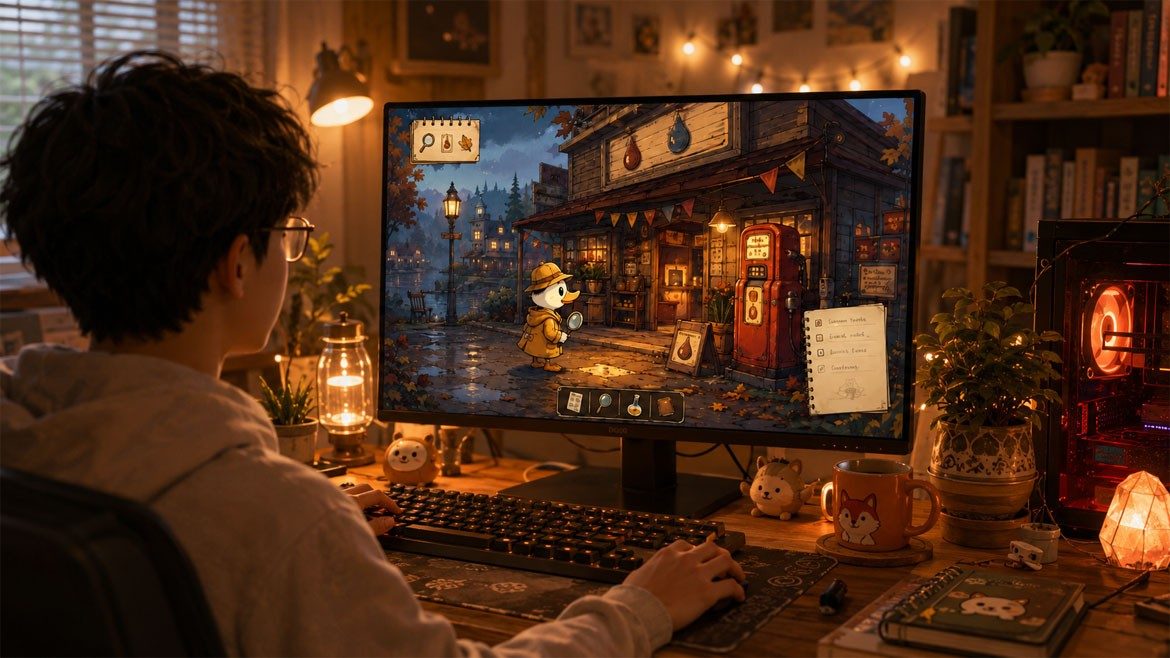
Open a complicated game in 2026, and there is a fair chance another screen will appear beside it. A phone holds a build guide while the PC runs the game. Steam Community Guides sit one overlay away. Discord answers the question the tutorial skipped.
Players have always exchanged knowledge, but modern game systems give them more reasons to leave the client temporarily. Seasonal rules change. Codes expire. Builds shift after patches. Events use currencies that did not exist three months earlier.
The result is a second layer of play built from support pages, guides, videos, community posts, and searchable reference material. For studios, that layer creates an awkward question: when does outside information improve a game, and when does it merely repair an interface that failed to explain itself?
Steam Put the Manual Next to the Game
 Valve formalized community documentation years ago with Steam Guides. A player can open a game’s Community Hub, select the Guides section, and find material created by people who own that title.
The important part is not simply that walkthroughs exist. They sit beside the distribution platform itself. Installation, discussion, technical support, and player-written explanations now occupy neighboring parts of the same ecosystem.
That arrangement recognizes something traditional manuals never handled well. Different players need different amounts of explanation. One wants the controls. Another wants a 100% achievement route. Someone fifty hours in wants to know why a specific build stopped working.
A single tutorial cannot satisfy all three without becoming unbearable.
Codes Reveal Where Promotion Meets Documentation
Code redemption looks simple until account state enters the equation. Epic Games, for instance, lets users redeem product codes either in its launcher or on the Epic Games Store website, and its support documentation separately explains failures caused by codes intended for another platform.
Gambling promotions make the documentation problem more complicated because the credited reward can carry eligibility, activation, and wagering conditions. Someone checking a promo code (Turkish: MelBet promosyon kodu) therefore needs to know not only which characters to enter but also where the code belongs and what type of bonus it activates. A current guide can distinguish a registration offer from codes obtained later inside a loyalty or bonus system. Once real-money terms enter the equation, clarity around validity and wagering requirements becomes part of the product rather than decorative marketing.
Video games face the same UX problem at a different financial scale. A code that produces an error without saying why creates support work. A code attached to the wrong account can create a problem that no attractive reward screen can repair.
Patch Notes Became a Second Rulebook
Live-service games make external reading even harder to avoid.
Weapons change. Maps rotate. Progression systems get rebalanced. An item that behaved one way last season may produce a different result after Tuesday’s patch. Experienced players learn to check version dates almost automatically.
Patch notes work because putting every historical change inside the interface would make the interface unreadable. The client should explain the rule that applies now; documentation can explain how and when that rule changed.
Trouble begins when the relationship reverses. If a player has to find an old support article merely to understand what a button on the current screen does, the documentation is no longer adding depth. It is paying off UX debt.
Casino Games Create Their Own Knowledge Layer
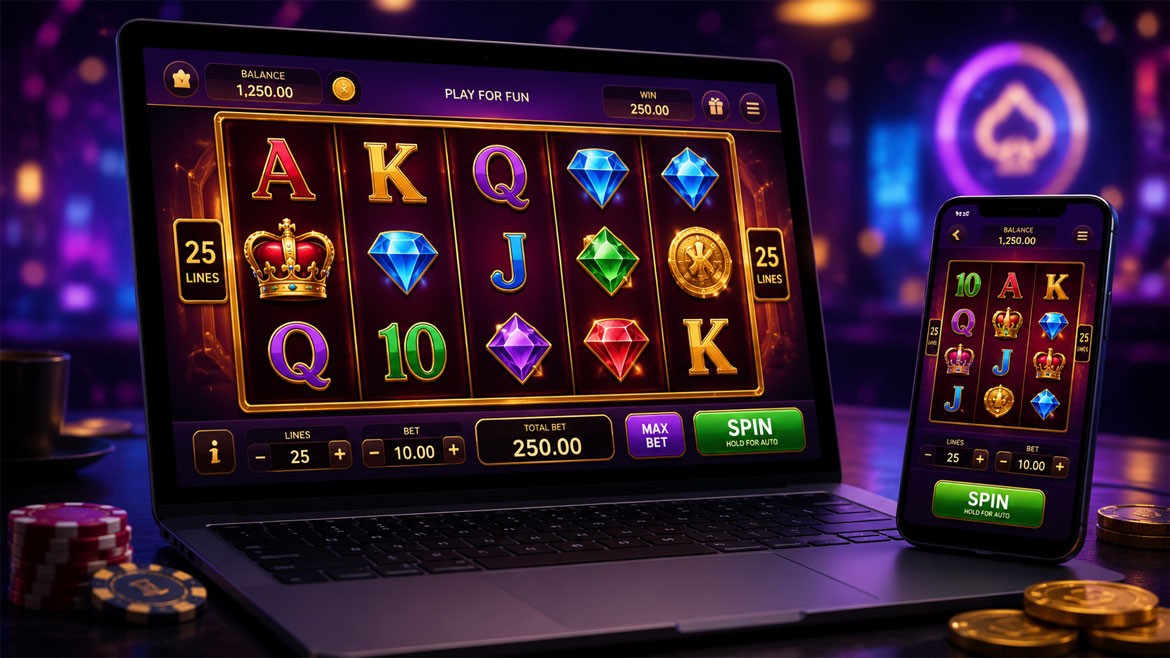 Fast gambling formats look simple precisely because much of their mathematics is invisible.
SPRIBE describes Aviator as a multiplayer mini-game built around an increasing multiplier that can end at any time; the player has to cash out before the plane leaves. Anyone reading about the plane betting game (Turkish: uçak oyunu bahis) is therefore dealing with more than a one-button interaction, because RTP and cash-out timing still need explanation outside the animation itself. SPRIBE publishes the game’s theoretical RTP at 97%, which corresponds to a 3% mathematical house edge over the long run. Neither the previous multiplier nor several successful exits changes that underlying RTP for the next round.
That is exactly the kind of information a visual interface struggles to communicate. A rising line communicates tension immediately. It does not automatically explain long-run return, bankroll variance, or why a string of previous rounds is not a forecast.
Good external documentation supplies that missing layer without pretending the mechanic is more predictable than it is.
A Guide Should Add Depth, Not Repair the Controls
Developers can draw a useful boundary between information that belongs inside a game and information that can live outside it.
The client should answer immediate operational questions. What does this button do? Which resource am I spending? Did the action succeed? What condition advances the current objective?
External material is better suited to depth: advanced builds, full patch histories, edge cases, tournament strategy, achievement routes, and lengthy explanations of probability.
Moving a basic instruction into a FAQ because the menu has no room for it is rarely elegant. Moving a twenty-paragraph systems breakdown out of the menu usually is.
Search Results Have a Version Problem
 The second-screen habit introduces one weakness that developers cannot fully control: old information remains searchable.
A three-year-old guide can outrank a new support page. A creator video can preserve rules from an earlier patch. A promotional code can remain visible long after its campaign ends. Search engines remember faster than players check dates.
Studios can reduce the damage by putting version numbers and update dates where readers can see them, maintaining stable official documentation and redirecting obsolete support pages where appropriate. Clear terminology also matters. If the client calls an item one thing and the website calls it another, players cannot easily tell whether the information applies to the same system.
The problem is less about having too many guides than about knowing which guide still describes the game being played today.
The Best Second Screen Knows Its Place
External information works best when it lets the main game remain focused.
Steam does not force a walkthrough into every title; it provides a place where players can seek one. Epic keeps code-redemption instructions outside the store flow but makes the redemption state explicit. Probability-heavy games can keep the active screen readable while documenting RTP and rules separately.
Studios designing that information layer should keep four details visible: source, version, date, and scope. Those four signals tell a player who wrote the guidance, which build it describes, when it was checked, and which part of the game it actually governs.
A second screen should answer the question that sent the player there, then get out of the way.