

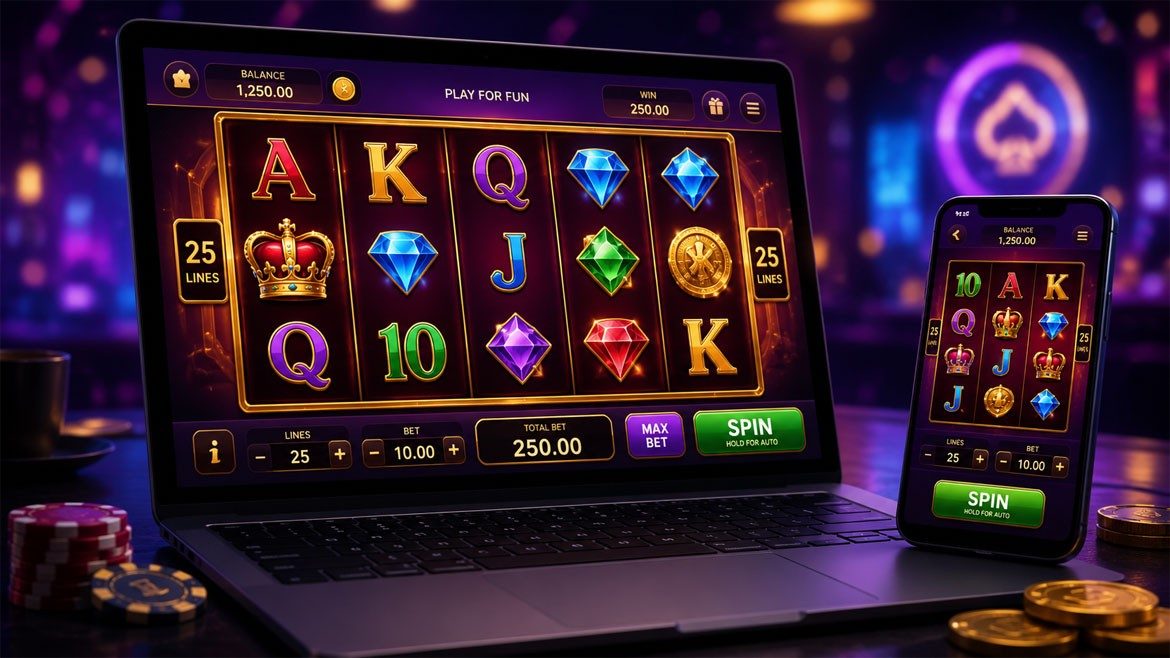
Gamification in online casinos has moved far beyond basic badges and bonus wheels. Today, many iGaming platforms borrow from live service game design, using missions, levels, progress bars, leaderboards, loyalty paths, and seasonal challenges to make casino products feel more interactive.
For game developers, product teams, and online casino operators, the trend is worth watching because it shows how retention design, reward timing, mobile UX, and behavioral feedback loops are crossing between video games and online gambling. The same mechanics that keep players engaged in mobile games can also shape how casino platforms organize discovery, loyalty, and repeat sessions.
Crypto-friendly casinos have pushed this crossover further by connecting payment preferences, simple navigation, and casino discovery. In these environments, the payment experience and game selection often become part of the same discovery path, especially for players who prefer blockchain-based casino categories such as ton casinos.
What Casino Gamification Really Means
 Casino gamification means adding game-like systems to an online casino so players have goals beyond the next spin or bet. These systems can include missions, achievements, leaderboards, badge collections, progress bars, daily challenges, prize wheels, loyalty tiers, avatars, tournaments, and unlockable rewards.
The concept of gamification in online casinos is not about turning gambling into a video game. It is about using familiar design patterns from games to give players a sense of structure. A player might complete a challenge, move through a loyalty path, earn a badge, or unlock a small reward after trying new games.
That sense of progress matters. A traditional casino lobby can feel flat because it often asks players to browse a list, choose a game, and start playing. Gamification brings more direction to the journey. It helps online casinos create a clearer path from discovery to play, from play to reward, and from reward to return visit.
Why Online Casinos Use Game-Like Retention Loops
Online casinos use gamification because the market is crowded. Many platforms offer similar slot libraries, similar live dealer games, similar bonus pages, and similar payment options. Gamification gives an operator another way to stand out without relying only on a larger bonus.
In game design terms, gamification turns isolated sessions into connected loops. A player does something, gets feedback, sees progress, receives a reward, and understands what the next step could be. That loop can help keep players engaged because the experience feels active rather than static.
This is similar to the live service model used across modern gaming. Events, streaks, daily objectives, time-limited goals, and progression systems all give players reasons to return. GameIndustry.com has explored this broader retention pattern in how live service games keep players engaged, and many of the same principles now appear in iGaming.
The best casino gamification does not overwhelm players. It gives players a clear reason to explore, a visible sense of progress, and a simple reward structure that makes the next action easy to understand.
Key Gamification Elements in Online Casinos
 The most common gamification elements in online casinos include leaderboards, badges, progress bars, missions, loyalty levels, tournaments, and daily rewards. Each feature plays a different role in the online casino experience.
Leaderboards add competition. They work well in tournaments because players can see how they compare with others. Badges create a sense of achievement and collection. Progress bars make invisible activity visible. Missions guide players toward specific actions, such as trying new games, joining a tournament, or returning for a daily challenge.
Loyalty systems are also central to casino gamification. A simple loyalty program may give players points, but a gamified loyalty journey can show levels, milestones, rewards, and status. That makes player loyalty feel more like progression than accounting.
The strongest systems combine several mechanics without making the experience feel cluttered. A mission might include a progress bar, award a badge, contribute to a loyalty tier, and place the player on a leaderboard. When those parts work together, gamification enhances the casino experience rather than sitting on top of it.
How Leaderboards, Badges, and Progress Bars Shape Player Behavior
Leaderboards, badges, and progress bars are popular because they create feedback. In a standard online casino, players may not always know what their activity means beyond the result of each spin. Gamification gives players additional signals.
A leaderboard tells players where they stand. A badge marks an achievement. A progress bar shows how close they are to a goal. These tools can boost player engagement because they turn activity into visible movement.
This is also why many online casinos use missions to encourage game discovery. Instead of expecting players to scroll through a large lobby, a platform can suggest a challenge that introduces a new slot category, live casino table, or original game. Players earn a reward, and the operator gets a cleaner way to present content.
The Psychology of Gamification in iGaming
The psychology of gamification is based on motivation, feedback, anticipation, and completion. Players often respond to systems that make progress visible and give them achievable short-term goals.
Gamification taps into several familiar design patterns. Completion drives players to finish a mission. Status encourages them to move up a loyalty tier. Competition makes leaderboards appealing. Surprise makes mystery rewards or prize drops feel more engaging. Consistency makes daily challenges and streaks easy to understand.
That does not mean every gamification feature is automatically useful. Poorly designed systems can feel manipulative, repetitive, or confusing. The best gamification strategies give players meaningful choices and transparent information. They do not hide the rules or make rewards difficult to understand.
For online gambling, this balance is especially important. Gamification should enhance the gaming experience, not pressure players into longer sessions. Clear terms, visible limits, and responsible product design help keep the system grounded.
Where Casino Gamification Differs From Traditional Game Design
 Casino gamification borrows from video games, but it operates under different expectations. A role-playing game can ask players to grind for hours to unlock a new weapon. An online casino should not treat time pressure or unclear reward paths as good design.
The core difference is that casino games involve gambling. That changes how gamification must be implemented. A mission system, badge, or leaderboard needs clear rules and sensible limits. Players should understand what counts, what the reward is, and whether any bonus conditions apply.
The UK Gambling Commission’s guidance on online games safer by design is a useful reminder that speed, transparency, and player control matter in digital gambling environments. For operators, strong gamification must work alongside responsible design rather than against it.
That is where game studios and casino operators can learn from each other. Game studios understand engagement loops, onboarding, achievement design, and event pacing. Online casino operators understand payments, compliance, player segmentation, and promotional controls. The most effective online casino gamification sits at the intersection of both.
Benefits of Gamification for Online Casino Operators
The benefits of gamification for online casino operators usually fall into four areas: retention, discovery, loyalty, and differentiation.
Retention improves when players have reasons to return beyond a single bonus. Discovery improves when missions and challenges guide players toward games they may not have found on their own. Loyalty improves when players can see progress through levels, rewards, or status. Differentiation improves when the platform feels more dynamic than a basic game catalog.
Gamification also helps operators understand player needs. If players complete slot missions but ignore social tournaments, that says something. If leaderboards perform well on mobile but long campaigns do not, that says something too. Gamification analytics can show which mechanics are useful and which ones create friction.
This is the business side of gamification. It is not only about adding more rewards. It is about creating a more readable product experience where players know what to do, why it matters, and what they can earn.
Mobile First Gamification for Slot Players
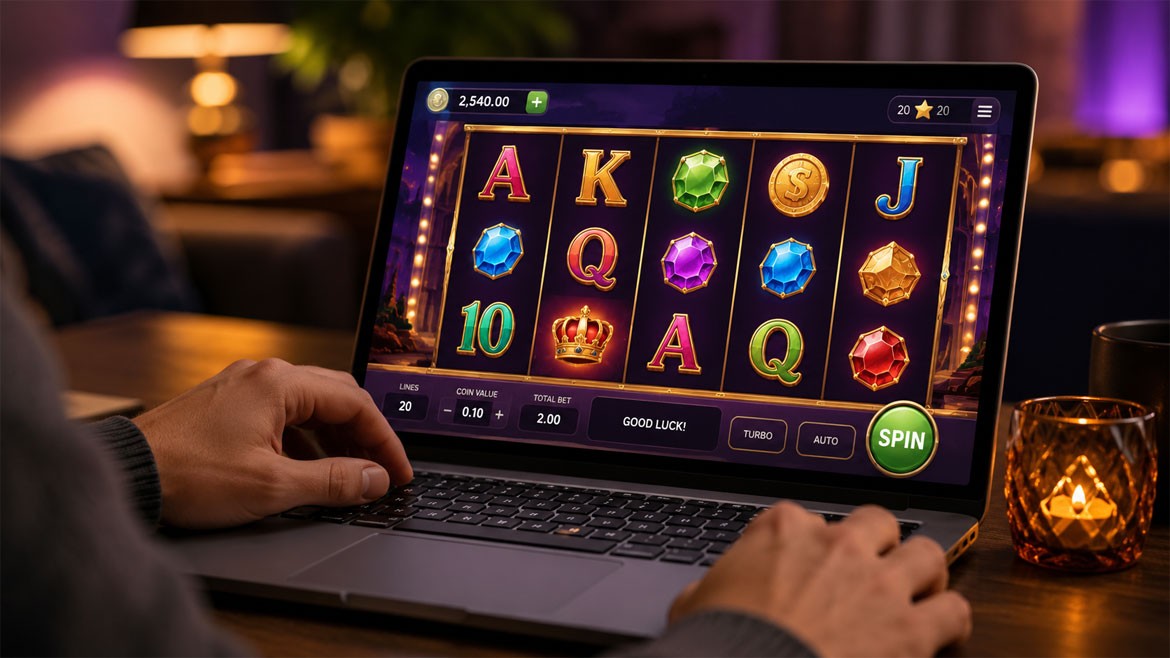 Mobile-first design is essential because many players interact with online casinos through phones. A gamification system that looks good on desktop can fail on mobile if it blocks the game screen, hides reward rules, or makes progress hard to read.
For slot players, mobile gamification should be lightweight. A mission card should be easy to scan. A progress bar should be clear. A badge should not interrupt play. A leaderboard should be simple to open and close. Reward terms should be visible without forcing players through several screens.
This is where online casino operators can borrow from mobile game UX. The best mobile games explain goals quickly, reduce unnecessary taps, and use visual feedback carefully. GameIndustry.com has also covered how casino platforms borrow from video game design in where gaming meets gambling, and mobile-first gamification is one of the clearest examples of that crossover.
Gamification makes the most sense when it reduces confusion. If a player has to work too hard to understand a reward, the feature is not doing its job.
AI in Gamification and Personalized Casino Experiences
AI in gamification is becoming more important because not every player responds to the same reward loop. Some enjoy leaderboards. Others prefer private achievements. Some players like free spins. Others respond better to cashback, loyalty points, or simple missions.
AI can help operators personalize gamification by matching challenges to player behavior. A player who often explores new games may receive discovery missions. A tournament-focused player may see leaderboard events. A player who ignores bonus offers may be shown simpler loyalty rewards instead.
Used well, AI can reduce bonus fatigue by making promotions feel less repetitive. It can also help operators identify when campaigns are too difficult, rewards are not attractive, or players stop engaging with a feature.
The risk is over-personalization. Gamification must remain transparent. Players should not feel as if the platform is pushing invisible triggers. Strong AI in gamification should support relevance, clarity, and better product decisions.
Choosing the Right Gamification Software
Choosing the right gamification software depends on the operator’s goals, platform structure, audience, and compliance needs. Ready-to-go casino gamification software can help teams launch missions, leaderboards, badges, loyalty campaigns, and reward automation without building everything from scratch.
However, software alone does not create good gamification. Operators still need strong campaign design, clean UX, accurate data, and a clear understanding of player behavior. A weak mission will remain weak even if the platform behind it is powerful.
Useful casino gamification software should support segmentation, mission creation, progress tracking, loyalty tools, reward rules, tournament mechanics, fraud checks, and analytics. It should also integrate with the operator’s CRM, payment systems, game providers, and responsible gambling tools.
The right platform gives operators flexibility. It should make gamification easier to test, adjust, and improve rather than forcing every player into the same generic campaign.
Common Mistakes That Make Gamification Feel Forced
The most common mistake is adding gamification without improving the underlying online casino experience. Bad navigation, slow loading, unclear bonus terms, or weak game discovery cannot be fixed by adding badges.
Another mistake is using too many mechanics at once. A player should not see five popups, three missions, two prize wheels, and a leaderboard before they understand the lobby. Gamification works best when it feels like guidance, not noise.
Operators should also avoid rewards that feel disconnected from the task. If a mission asks players to complete several steps, the reward should be clear before they start. If a leaderboard runs for a limited time, the ranking rules should be easy to understand.
The best practice is to start simple. One useful mission path, one clear loyalty journey, or one well-designed tournament can be more effective than a crowded system full of features that compete for attention.
Gamification Analytics That Matter
Gamification analytics should measure more than participation. A campaign can attract clicks and still fail if players do not understand it, complete it, or return after it ends.
Useful metrics include mission start rate, mission completion rate, leaderboard participation, reward redemption, repeat participation, loyalty tier movement, game discovery, churn signals, bonus fatigue, mobile interaction, and player feedback.
Operators should also track where players drop off. If many players start a challenge but few complete it, the task may be too demanding. If rewards are claimed but players do not return, the campaign may be too short-term. If players ignore a mission entirely, the offer may not match their interests.
Gamification boosts retention only when the system is measured honestly. The goal is not to prove that every campaign worked. The goal is to understand which mechanics help players engage more clearly and which ones should be changed.
What Game Studios Can Learn From Casino Gamification
Game studios can learn from casino gamification because iGaming is often direct, measurable, and conversion-focused. Casino operators pay close attention to onboarding, lobby design, campaign timing, payment flow, reward clarity, and retention metrics.
At the same time, casino operators can learn from game studios about pacing, world-building, social identity, cosmetics, seasonal events, and long-term progression. A badge system is more interesting when it has meaning. A leaderboard is more engaging when it feels fair. A mission is more useful when it fits naturally into the player journey.
The future of gamification in online casinos will likely look less like a simple bonus page and more like a live product layer. Expect more personalized missions, clearer loyalty dashboards, mobile-first event design, AI-driven segmentation, crypto-friendly reward paths, and responsible play features built into the gamification system.
Forget Vegas as the only reference point. The future of gambling is increasingly shaped by browser-based design, mobile UX, live operations, and the same engagement principles that have defined modern games for years.
The Bottom Line for Players and Product Teams
Gamification in online casinos works best when it makes the experience clearer, more interactive, and easier to navigate. It can boost player engagement, improve player retention, support loyalty, and help operators create more distinctive platforms.
For players, strong gamification gives structure. Missions, leaderboards, badges, progress bars, and loyalty paths can make casino games easier to explore. For operators, gamification offers a way to keep players coming back without depending only on bigger bonus offers.
The strongest examples of gamification in iGaming are not the loudest. They are the ones that feel natural, transparent, mobile-friendly, and useful from the first session.
FAQs
What is gamification in online casinos?
Gamification in online casinos is the use of game-like features such as missions, badges, leaderboards, loyalty levels, progress bars, challenges, and rewards to make the online casino experience more interactive.
How does gamification benefit online casinos and players?
Gamification can benefit online casinos by improving retention, loyalty, game discovery, and campaign performance. For players, it can create clearer goals, visible progress, and a more engaging way to explore casino games.
What are common gamification elements used in online casinos?
Common gamification elements include leaderboards, badges, progress bars, daily missions, tournaments, streaks, prize wheels, loyalty tiers, avatars, reward points, and unlockable achievements.
What are the psychological principles behind gamification in iGaming?
The psychology of gamification is based on progress, completion, anticipation, competition, recognition, and status. These principles help explain why players respond to goals, rewards, rankings, and visible achievements.
How does gamification impact player retention and loyalty in online casinos?
Gamification can boost retention by giving players reasons to return, such as daily missions, loyalty milestones, tournament rankings, and ongoing reward paths. It supports player loyalty by making progress visible over time.
How does gamification differ from standard bonuses?
A standard bonus is usually a single promotional offer. Gamification turns rewards into an interactive journey through missions, levels, badges, leaderboards, progress bars, and loyalty systems.
Can gamification work without social features?
Yes. Social features such as leaderboards can help, but gamification can also work through private missions, personal progress bars, individual badges, loyalty milestones, and solo achievement paths.
What role does AI play in gamification for online casinos?
AI can help personalize missions, recommend rewards, identify bonus fatigue, improve segmentation, and show operators which gamification strategies are most relevant to different player groups.
What are the potential challenges when implementing casino gamification?
The main challenges include overcomplicated missions, unclear rewards, weak mobile UX, poor analytics, confusing bonus terms, and gamification mechanics that feel disconnected from the actual casino experience.
What are the future trends for gamification in online casinos?
Future trends include AI-powered personalization, mobile-first missions, crypto-friendly reward systems, seasonal campaigns, smarter loyalty dashboards, responsible play features, and more live service design patterns.