
Hey all, I’m back with a review for a remake of one of the most beloved entries in Ubisoft’s long-running Assassin’s Creed series. It’s my review of Assassin’s Creed Black Flag Resynced. The time I spent with Black Flag Resynced was more than enough to remind me of why the original Assassin’s Creed IV: Black Flag remains so fondly remembered by so many players. The Resynced version is available on the PlayStation 5 (where we reviewed it), the Xbox Series X and for the PC though Steam.
 The plot of Black Flag Resynced is mostly the same as the original, minus the original’s modern-day portions. Black Flag Resynced’s plot remaining mostly the same as the original version is a good thing overall, even if replaying this story also reminded me why I did not like Edward Kenway very much as a person at the start. He is arrogant, reckless and generally kind of a jerk.
Of course, that is part of the point. Edward has room to grow, and the story still works because it lets him begin as someone deeply selfish before slowly pushing him toward something larger than himself.
As stated, the most obvious narrative change is the removal of the original modern-day segments. Those have been replaced with Animus Rifts that players can find while exploring Black Flag Resynced. These rifts reference the current modern-day Assassin’s Creed storyline and connect to hints from Assassin’s Creed Shadows involving Animus EGO.
 Players who do not follow the modern-day lore closely do not need to worry too much because it does not heavily affect Edward’s story. But for fans who enjoy digging into the larger Assassin’s Creed mythology, there are text data packets and references that connect Resynced to events from Shadows.
There is also some new story beats tied to officers that Edward can recruit for his ship the Jackdaw. Those characters can affect gameplay, and their missions are interesting even if they remain fairly minor in the grand scheme of the main story. My favorite new officer so far is Lucy Baldwin, the shipwright, who unlocks the ability to use a Perfect Brace technique during naval combat. It is a useful addition and gives the ship upgrades a little more character beyond simply improving numbers.
The core cast and story in Black Flag Resynced remain mostly familiar, which means longtime fans should feel right at home. The new characters are good, though they are clearly side characters rather than replacements for the original cast.
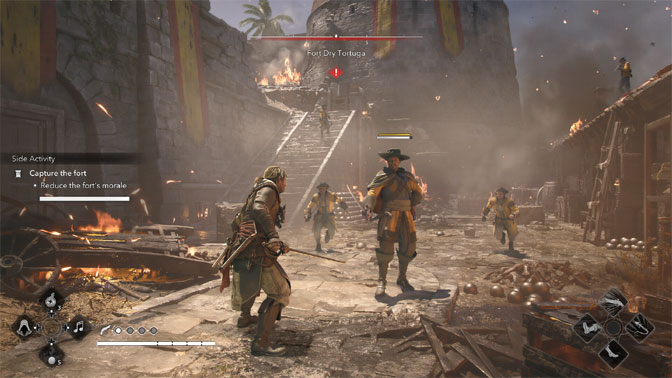 But most people are probably here to learn about the gameplay, and Black Flag Resynced is largely faithful to the original while adding modern enhancements to several systems.
Parkour is much smoother and freer now, and it is more in line with recent Assassin’s Creed entries. It is not quite as fluid or acrobatic as Naoe’s movement in Assassin’s Creed Shadows, which is a bit of a shame in my eyes. I understand why Ubisoft would avoid pushing Edward too far away from how he moved in the original game, but I still hope future entries continue building on Naoe’s flips, spins, and rolls. Style is an important part of making traversal fun, not just realism.
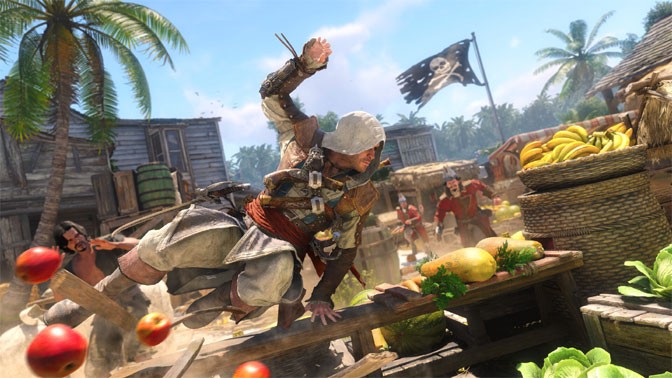 Edward also does not use his Rope Dart to freely grapple up and down buildings the way Naoe could in Shadows. Again, that makes sense for a remake that does not want to depart too much from the original experience. However, after playing newer entries, I missed some of that freedom.
Speaking of the Rope Dart, players now get it much earlier than they did in the original Black Flag. This time, it becomes available in Sequence 3, just after unlocking the Jackdaw, instead of much later in the story.
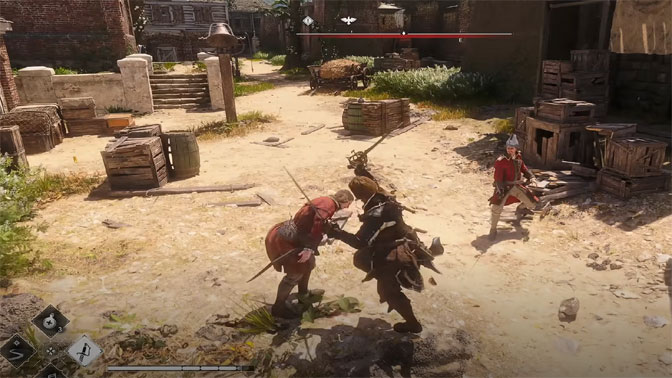 That change is huge. It lets players silently knock out warning bells from range in restricted areas like plantations and forts without relying on very noisy guns. The Rope Dart does have a fairly long cooldown. Players who get the deluxe edition of the game can acquire a special trinket that effectively removes that cooldown, though it is not necessary. It can, however, be very helpful for anyone who wants to lean heavily into stealth.
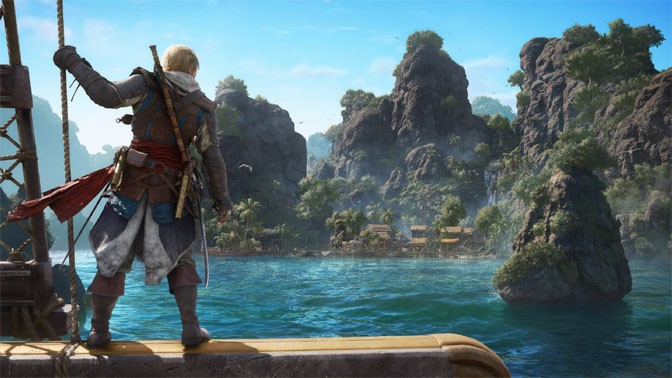
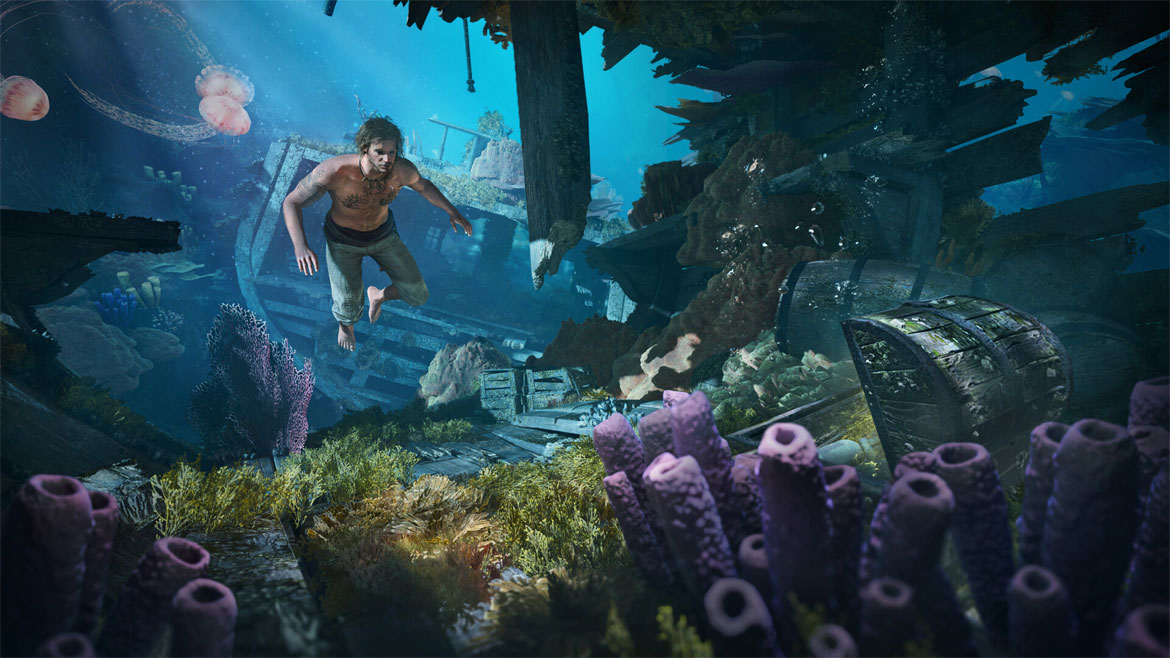
The naval and ground combat are mostly similar to the original, though several improvements make them feel better in motion. The Perfect Brace technique and other smaller upgrades help the Jackdaw feel more responsive. Players can also dive off the ship anywhere now, though jumping into the middle of the sea does not offer much beyond some spectacular visuals. And those visuals really are spectacular.
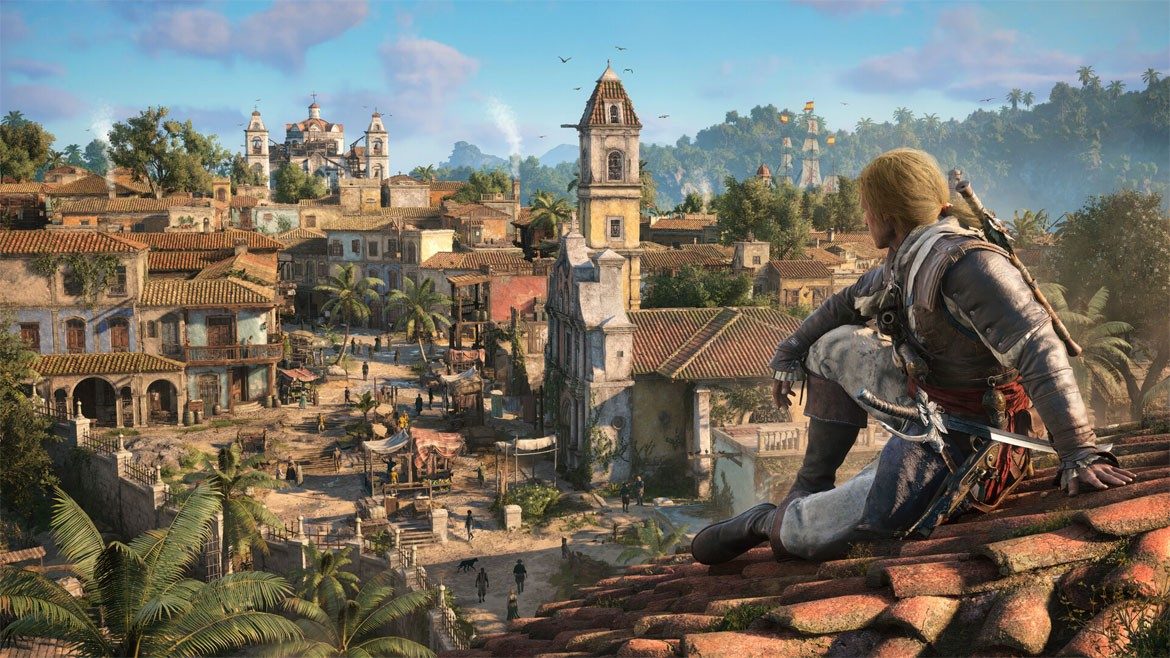
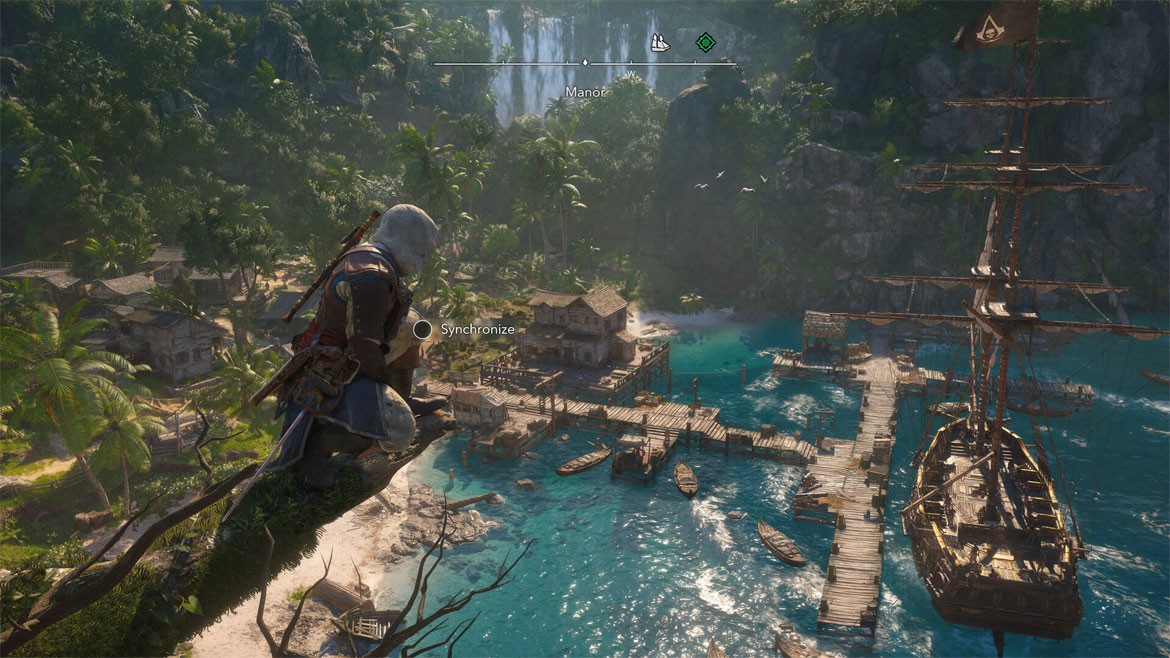
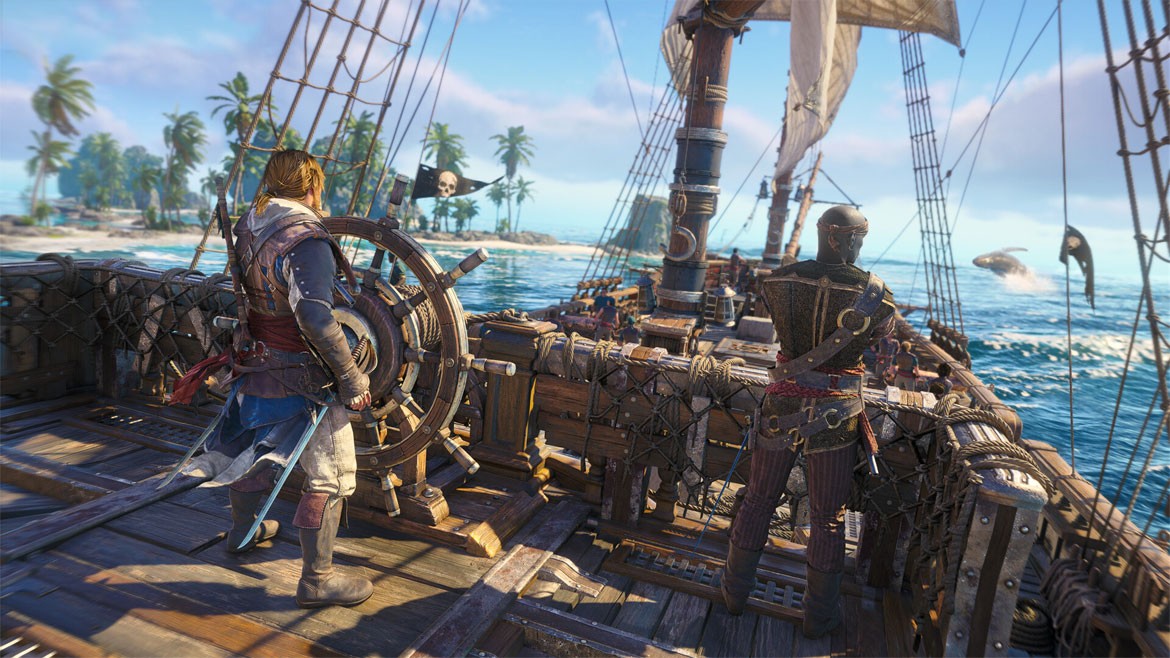 Sailing around the Caribbean looks wonderful in Resynced. The water, lighting, islands, and ship battles all benefit from the remake’s graphical overhaul. Cities are more populated, and the world feels more alive than it did in the original release. One of the best technical improvements is the lack of loading screens separating cities from the wider open world, which makes the whole Caribbean feel more connected.
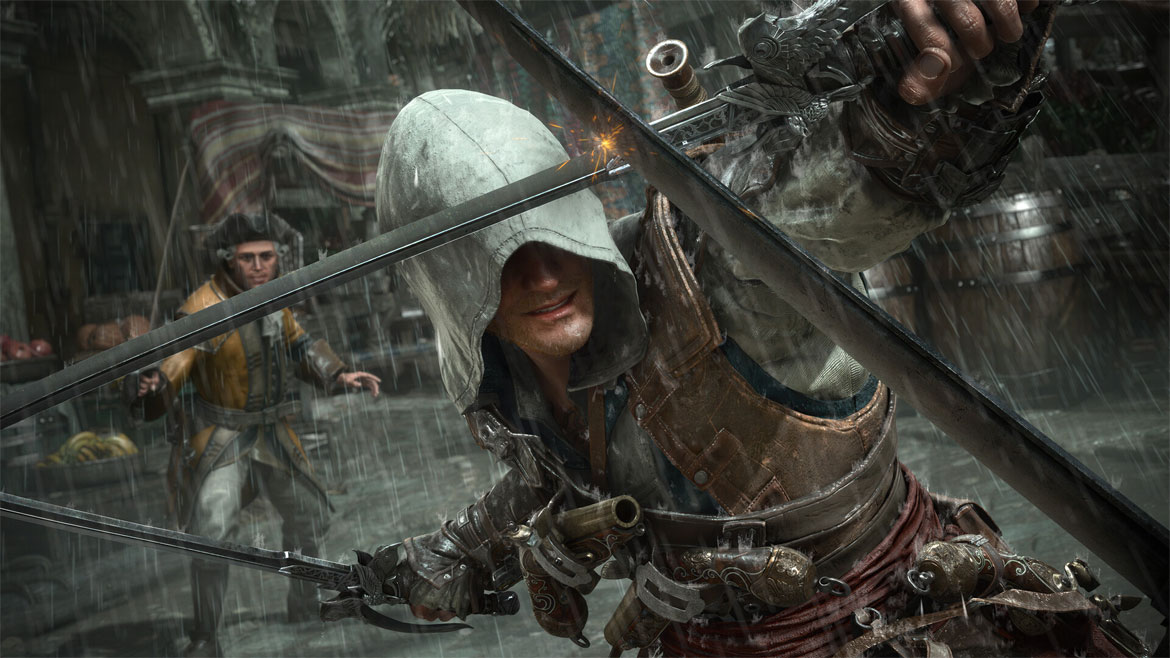
That said, not every change worked for me. The biggest disappointment for me is that Edward can no longer manually use his Hidden Blades as primary combat weapons. In the original Black Flag, those were my go-to weapons, and I loved being able to fight with them directly. Here, the Hidden Blades are used more in the modern context-based style seen in later Assassin’s Creed titles, including signature moves like air assassinations.
I understand that the newer Anvil engine that drives Resynced and the updated combat systems may not have been designed around manual Hidden Blade combat, but I still missed having that option. It is the main reason the gameplay score in this review is not quite a perfect 5 as it veers a bit too far from the original.
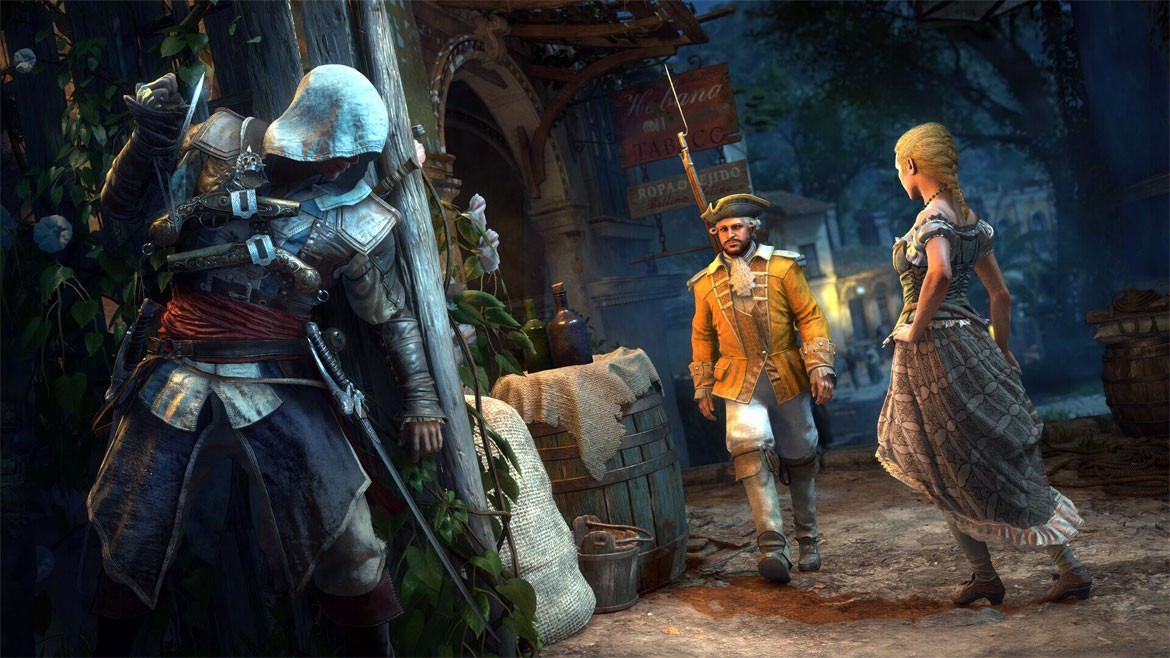 On the other hand, one of the most welcome changes involves the eavesdropping missions. Players who remember the original Black Flag and its predecessors probably recall how frustrating those missions could be. In Resynced, failing to remain unnoticed now shifts the situation into combat instead of forcing players to creep behind targets exactly the way the old titles demanded. That is a very appreciated change because those missions were easily some of the worst parts of the older Assassin’s Creed formula.
The art direction is an upgraded version of a very familiar world. Most locations are recognizably the same, but they have been rebuilt with modern lighting, textures, crowds, and environmental detail. The Caribbean was already one of the best settings in the series. Resynced makes this setting even more beautiful without losing the atmosphere that made the original special.
 The music is also just as great as I remembered. The sea shanties remain a highlight, and players can now choose which song the crew sings instead of having to repeatedly ask for the one they want.
The option to let the crew sing randomly is still there, so players can either curate the soundtrack or simply enjoy whatever the sailors decide to belt out.
Overall, Assassin’s Creed Black Flag Resynced is a faithful and impressive remake of one of the strongest games in the series. Most of the changes are improvements, especially the smoother movement, earlier Rope Dart, better visuals, improved naval options, and more forgiving mission updates. The loss of manual Hidden Blade combat still hurts (especially for fans who loved that style in the original), but it is not enough to sink the experience.
 For players who enjoy Assassin’s Creed IV: Black Flag, pirates, historical fiction, naval combat, and big open-world adventures, Assassin’s Creed Black Flag Resynced is easy to recommend. It brings a classic swashbuckling adventure into the modern era while preserving most of what made Edward Kenway’s journey so memorable in the first place.
Not for those who don’t like: Any of the above.