


Video games have become one of the world’s most influential forms of entertainment. Today, an estimated 3.6 billion people worldwide play video games, and player expectations continue to shape the wider digital landscape. Features that were once associated exclusively with console and PC games like progression systems, personalized experiences and regular content updates are now common across many online platforms.
Online casino gaming is one industry that has embraced these ideas. While casino games and traditional video games offer different experiences, both compete for users’ attention in an increasingly crowded market. To stand out, casino operators are borrowing many of the same design principles that have helped modern video games keep players engaged for years.
Gamification keeps players coming back
Modern video games rarely rely on gameplay alone. Instead, developers build progression systems that reward players for returning regularly, completing challenges and reaching new milestones.
Many online casino platforms have adopted a similar approach by introducing features such as:
- Daily login rewards
- Loyalty programs
- Achievement badges
- Missions and challenges
- Progress tracking
These mechanics add another layer to the experience by giving players goals beyond individual gaming sessions. Rather than simply logging in to play, users are encouraged to unlock rewards, complete objectives and continue progressing over time.
This approach shows a broader shift in digital entertainment. Players increasingly expect experiences that evolve rather than remain static, and gamification has become one of the most effective ways to encourage long-term engagement.
Better design creates better experiences
Video games have raised the standard for digital experiences. Players expect polished visuals, intuitive navigation, responsive controls and interfaces that make it easy to find what they’re looking for.
Those expectations extend well beyond traditional gaming. Today’s online casino platforms invest heavily in user experience, focusing on streamlined layouts, faster loading times, improved accessibility and responsive interfaces that work across different devices.
Mobile optimization has become particularly important. Mobile devices now account for well over half of global web traffic, consistently outperforming desktop computers. As a result, developers increasingly prioritize mobile-first experiences that load quickly, adapt to different screen sizes and remain easy to navigate with touch controls.
Whether someone is launching a mobile game or browsing an online casino platform, convenience has become just as important as content.
Stronger themes and immersive worlds
 Modern video games aren’t just about mechanics; they’re designed to immerse players in detailed worlds with memorable characters, distinctive art styles and engaging stories. Even genres that don’t rely heavily on narrative often use themes and visual design to create a stronger sense of identity.
Online casino games have followed a similar path. Instead of offering only traditional slot machines or classic table games, developers now release titles inspired by mythology, adventure, fantasy, history and pop culture. Rich animations, cinematic soundtracks and interactive bonus features help make gameplay feel more engaging while giving each title its own personality.
This emphasis on presentation shows changing player expectations. As video games have continued raising the bar for visual quality and immersion, other areas of digital entertainment have responded by investing in experiences that feel just as polished.
Live-service gaming has changed expectations
The days of releasing a game and leaving it unchanged are largely over. Many of today’s biggest video games operate as live services, delivering regular updates that encourage players to return.
These updates might include:
- Seasonal events
- Limited-time content
- New game modes
- Cosmetic additions
- Ongoing balance improvements
Online casino platforms have adopted a similar philosophy. New games are added throughout the year, promotional events coincide with holidays or major sporting occasions, and limited-time campaigns encourage repeat visits.
While the content differs, the strategy is familiar. Rather than treating launch day as the finish line, developers continuously refresh the experience to maintain player interest over time.
Players research before they play
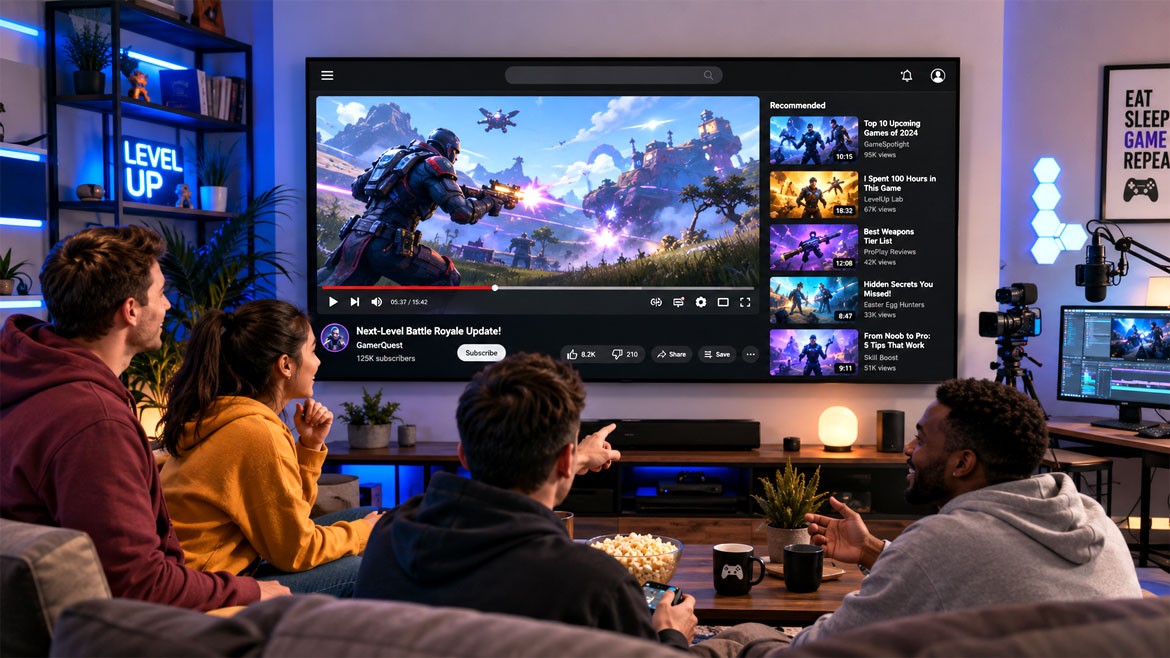 Another trend shaping both industries is the growing importance of research. Before downloading a new video game, many players watch trailers, read reviews, compare features or look for community opinions. The same behaviour has become increasingly common among people exploring online casino platforms.
Resources such as Casino.org help players compare casinos, read expert reviews, learn about different casino games and access responsible gambling guidance before choosing where to play. As digital entertainment continues to expand, trusted information has become an important part of the overall player experience. For both industries, transparency and accessibility can play an important role in helping users make informed decisions.
The video game industry’s influence continues to grow
The gap between video games and online casino gaming remains significant, but the design philosophies behind them continue to overlap.
Features like progression systems, polished user interfaces, live-service updates and mobile-first design have become standard expectations across digital entertainment. Rather than existing in isolation, successful ideas increasingly spread between industries as developers respond to changing player habits.
As technology continues to evolve, it’s likely that online casino platforms will continue drawing inspiration from the video game revolution. While the two forms of entertainment serve different audiences and objectives, both are adapting to the same reality: players expect engaging, accessible and constantly evolving experiences.