
Artificial Intelligence (AI) is becoming an increasingly important part of the online gaming industry. From improving the graphics and gameplay of console titles to creating more immersive online casino experiences, AI is changing the way games are developed, played and enjoyed.
While AI has already made its mark across several industries, its potential within gaming is particularly exciting. Developers are finding new ways to use the technology to create more realistic characters, smarter opponents and personalised gaming experiences. Here are some of the ways AI is transforming the world of online gaming.
Creating More Realistic Console Games
 AI is helping developers take console gaming to another level by making virtual worlds feel more realistic and interactive.
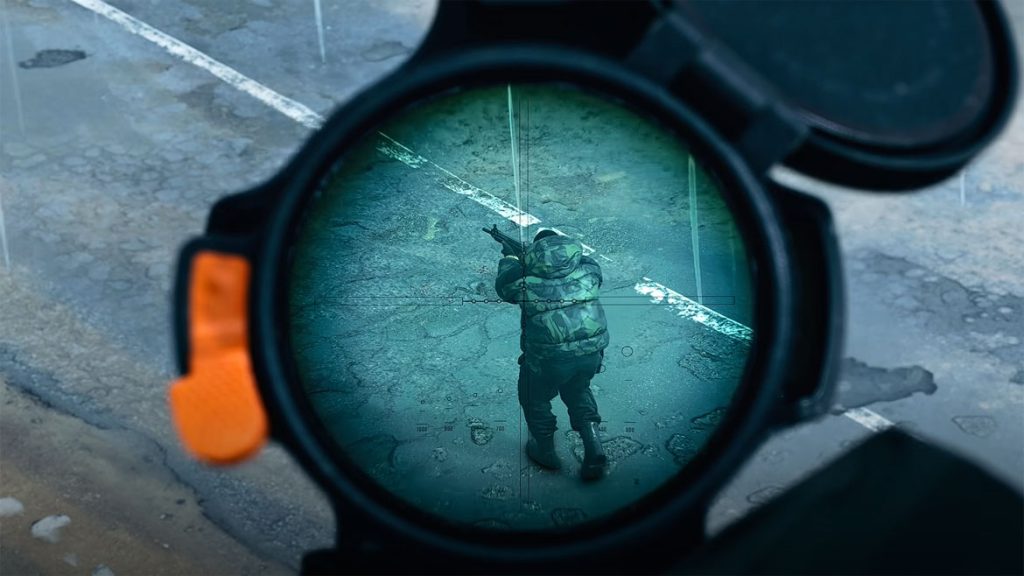
One of the biggest developments is the use of AI to improve non-player characters (NPCs). Traditionally, these characters have followed pre-programmed instructions, meaning their behaviour can sometimes feel predictable. AI can allow NPCs to react more intelligently to a player’s decisions, creating more challenging and unpredictable gameplay.
AI can also help developers improve graphics, animations and environmental details. For example, machine learning techniques can be used to upscale images, improve lighting effects and create more realistic character movements.
This could make future console games more immersive, with players experiencing virtual environments that respond dynamically to their actions.
Enhancing Online Slot Games
AI is also finding its way into the online casino industry, particularly when it comes to the development and personalisation of slot games.
Game developers can use AI-powered tools to help generate artwork, animations, sound effects and creative themes. This could make the development process more efficient while allowing studios to experiment with a wider variety of concepts.
AI can also help online casino operators understand how players interact with their platforms. By analysing general gameplay patterns, operators can make recommendations based on individual preferences, helping those playing slots online discover games that match their interests.
Another important application is responsible gambling. AI systems can identify potentially concerning changes in player behaviour, such as unusual increases in playing time or spending patterns. These insights can help operators identify customers who may need additional support.
However, AI does not change the underlying mathematics of a slot game. Random number generators and independently tested game mechanics remain important to ensuring that outcomes are fair.
Developing Smarter Strategy Games
 Strategy games are another area where AI is having a significant impact.
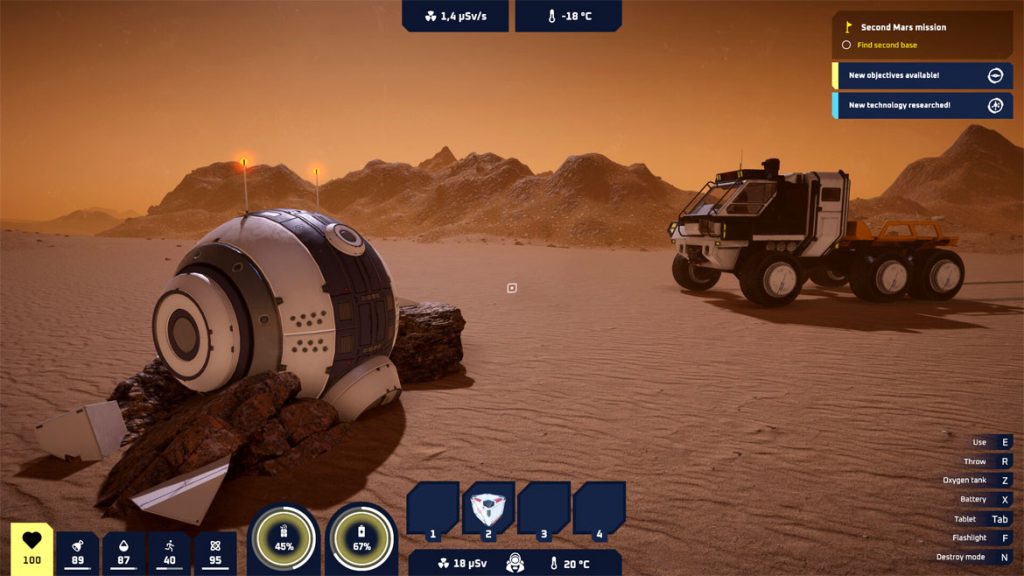
Titles involving resource management, tactical decisions and long-term planning have traditionally relied on computer-controlled opponents. AI can make these opponents considerably more challenging by allowing them to analyse situations, adapt to different strategies and respond to the player’s decisions.
This is particularly relevant to games such as chess, civilisation-building titles and real-time strategy games.
Rather than simply following a predetermined set of instructions, AI-powered opponents can learn from previous encounters and adjust their approach accordingly. This creates a more dynamic experience, particularly for experienced players who may otherwise find computer-controlled opponents too easy to beat.
AI can also help developers balance strategy games by analysing gameplay data and identifying areas where certain characters, units or tactics may be too powerful.
Personalising The Gaming Experience
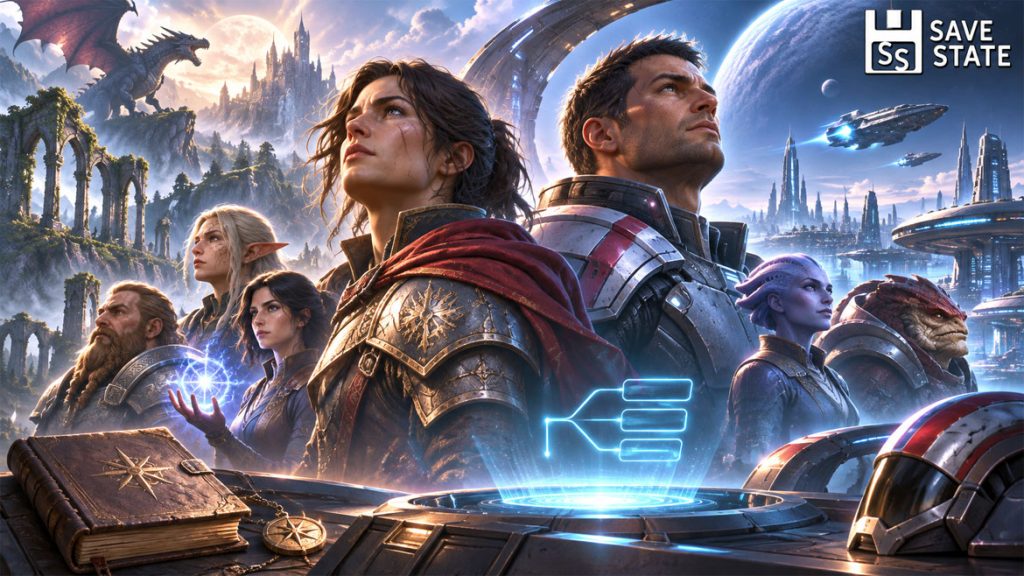
One of the most exciting possibilities surrounding AI is its ability to create more personalised gaming experiences.
Every player has different preferences. Some enjoy challenging missions, while others prefer exploring virtual worlds or competing against other players online.
AI can analyse gameplay patterns and preferences to make recommendations, adjust certain difficulty settings and help players discover content that suits their interests.
For example, an adventure game could offer additional challenges to someone who regularly completes difficult missions, while a strategy title might introduce more advanced opponents as a player’s skills improve.
This could help developers keep players engaged for longer by making games feel more responsive to individual playing styles.
Making Game Development More Efficient
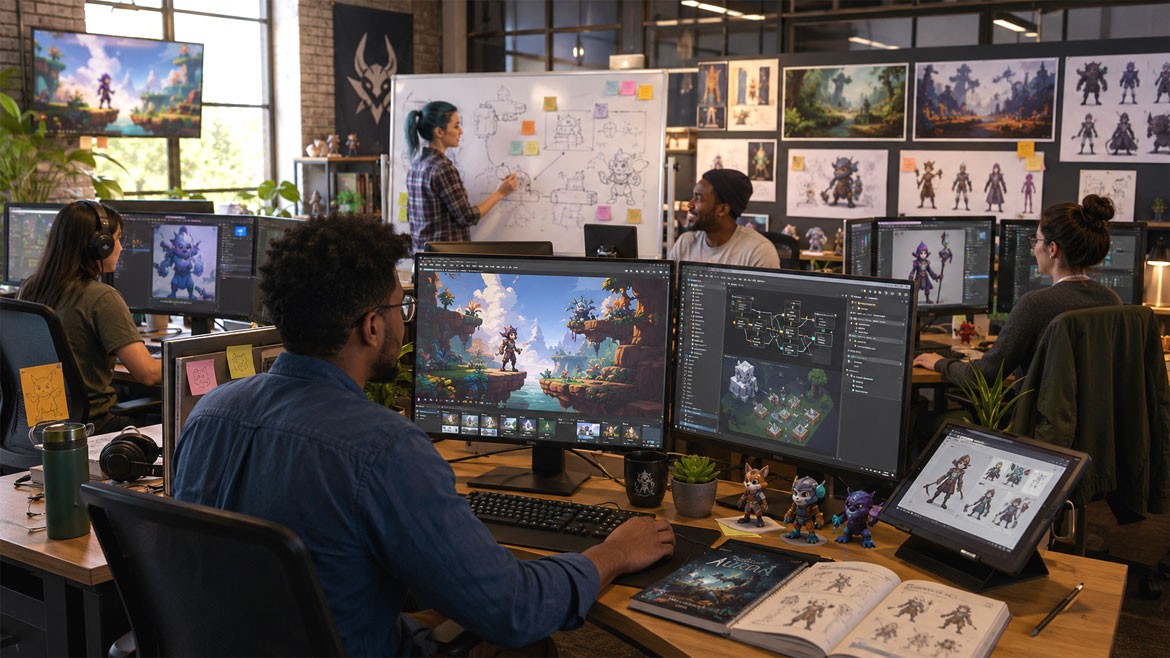 AI is not just changing the way people play games. It is also transforming the way developers create them.
Producing a modern video game can require years of work, with large teams responsible for graphics, sound, animation, testing and programming.
AI tools can help automate certain repetitive tasks, generate initial design concepts, assist with coding and identify technical problems during testing.
Procedural content generation is another area where AI can make a difference. Developers can use these techniques to create larger environments, additional missions and varied in-game content without having to design every individual element manually.
This could help studios reduce development time and costs while giving players access to bigger and more detailed gaming worlds.
What Does The Future Hold For AI In Gaming?
AI is already having a noticeable impact on the gaming industry, but its potential is far from exhausted.
As the technology continues to develop, we could see more sophisticated NPCs, increasingly realistic virtual environments and games that adapt to individual players in real time.
From console gaming and online slots to complex strategy titles, AI is opening up new possibilities for developers and players alike.
The challenge will be ensuring that these developments improve the overall gaming experience without compromising fairness, creativity or player safety. If developers get that balance right, AI could help shape the next major evolution in online gaming.