
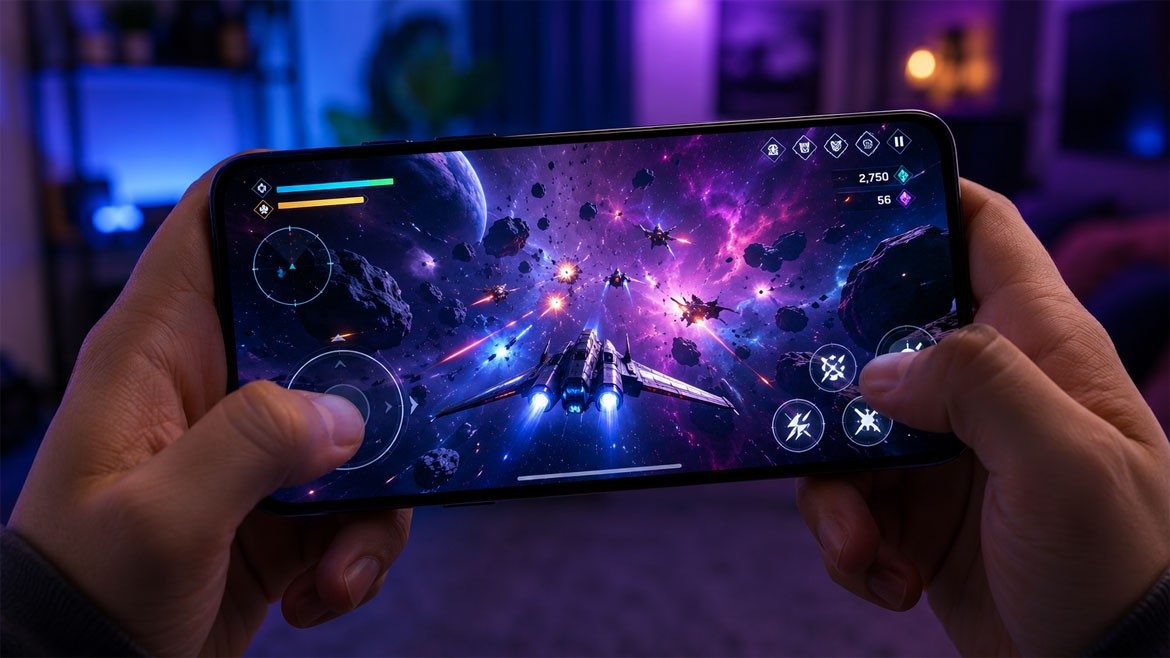
Quick reflexes deserve a better reputation than the one they carry. The reaction speed trained by fast video games is not a party trick, and it is not proof of hours wasted; it is a portable cognitive asset, and the wider economy leans on it more than it cares to admit. What matters is narrow but valuable, the gap between perceiving a change and answering it correctly, and that gap turns out to be trainable. The places willing to pay for a shorter one are rarely arcades.
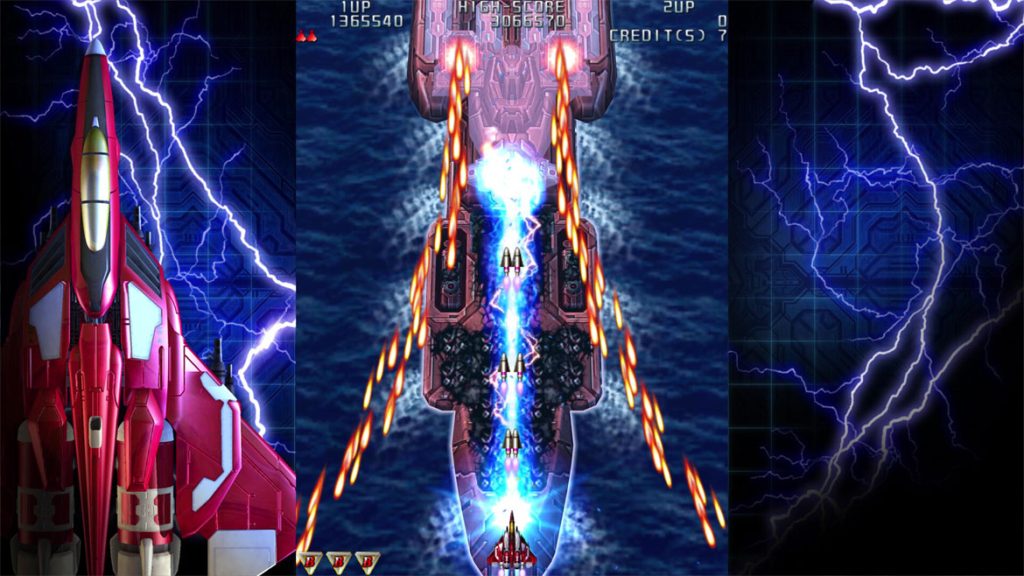
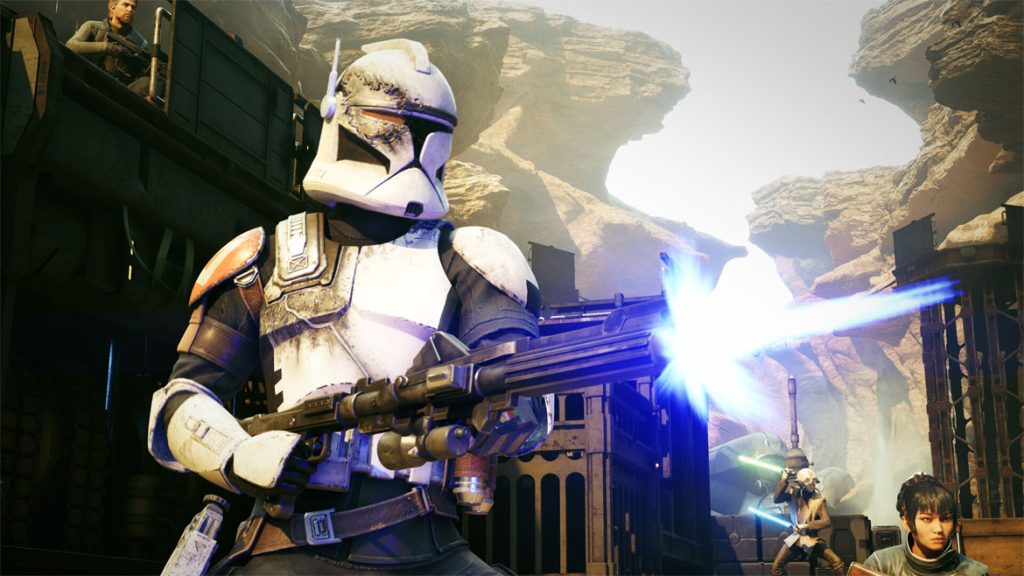
When people go looking for hard evidence, they tend to land on the same study, the one still cited because nothing better has replaced it. Cognitive scientists at the University of Rochester recruited people who did not normally game, ran one group through fifty hours of fast action titles and another through a slow strategy game, then measured how quickly each could read a chaotic scene and commit to an answer. The action group reacted measurably faster, by as much as a quarter, with no drop in accuracy.
That second detail carries the weight, because speed bought with extra mistakes is worthless anywhere the outcome actually counts, and the researchers were careful to show it was not being bought that way.
Because reflexes are so easy to romanticize, most of the enthusiasm around them goes wrong from the start, mistaking raw speed for something more than a twitch aimed at the wrong thing. The research rewards faster processing that still reads the situation right, so the useful version looks less like button mashing and more like triage. You are not responding to everything on the screen; you are picking the one input that matters and letting the rest fall away.
 That same responsiveness the industry does not merely train; it sells. Digital entertainment is built on the feedback loop, the near instant reply to an input, and whole product categories now compete on how little they make you wait.
Sitting at the sharp end of that pressure, online gaming platforms get judged by players on interface speed and on quick, transparent payout rates rather than on any willingness to wait around. The immediacy has run so far that low-commitment formats have become a category unto themselves, and a listing such as a $200 no deposit bonus 200 free spin casinos reads less like a promotion than like a snapshot of a business engineered for instant, frictionless play.
For all that, none of this turns a player stacking up kills into an air traffic controller in waiting, because transfer is narrower and stranger than the fans tend to claim. The gains show up on tasks that resemble the training, and they erode once the practice stops, the way any conditioned response decays without upkeep. Reflexes are perishable. A driver whose reactions test sharp at thirty will not post the same numbers at seventy, and the game that built the edge cannot be trusted to preserve it once the controller is set down for good.
Nowhere is the cost of that gap stated more bluntly than in aviation, where federal guidance for pilots assumes an unnerving lag between spotting a converging aircraft and doing anything useful about it. The working figure for how long it takes a pilot to react, from first glimpse to corrective input, runs to roughly twelve and a half seconds once recognition, decision, and physical response are all counted.
In a cockpit closing at several hundred miles an hour, that interval decides whether the day ends as a near miss or a headline. Training exists because the unaided human is slow, and any regimen that trims the loop earns its keep, precisely the claim gaming has spent two decades trying to make on its own behalf.
Outside the cockpit, the same currency circulates everywhere, and emergency dispatchers, warehouse machine operators, and ordinary commuters are all running that loop under load, reading fast input and answering before deliberation can catch up. It is the same logic that has some surgeons crediting long hours with a controller for steadier instrument work, and that keeps driving research circling back to the trained eye rather than the fast hand.
Reaction time even doubles as a rough marker of neurological health, part of why clinicians bother to track it as people age. The skill is not exotic. It is simply undervalued, precisely because it is so evenly distributed that almost no one thinks to put a price on it.
The game business, for its part, has stopped pretending any of this is only play. Studios and hardware makers are pushing into training and simulation, where the reflex-building machinery of games gets repurposed for pilots, medics, and operators who need to rehearse the fast decision before it counts for real. Virtual and augmented reality keep sliding from novelty toward instrument, and the line between a game engine and a training rig grows thinner each year. Serious money now follows that crossover, because a simulator that feels like a game is a simulator people will actually use. What was built to sell entertainment is quietly being retooled to manufacture readiness.
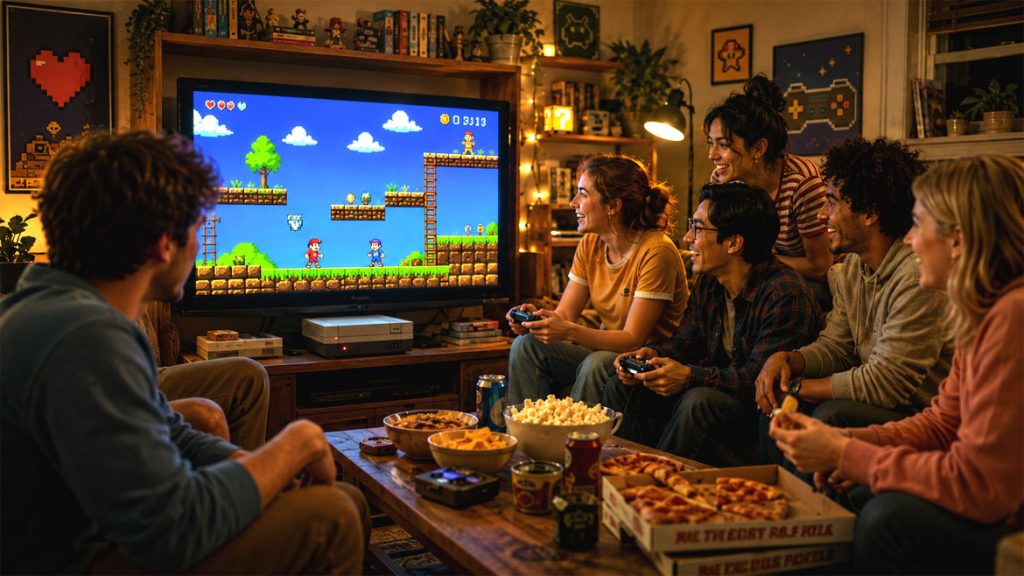
That leaves a question of worth that never quite settles, since the reflexes brushed off at dinner tables are already being conscripted into work with real consequences, even as the labor market banks the output and sneers at the training ground that produced it. A skill can be genuine and still go unpaid, real and still unnamed. Somewhere between the arcade and the operating room the culture has decided these abilities matter and declined to say so out loud, and that silence is not the kind that holds.