
Cozy Games That Help You Slow Down
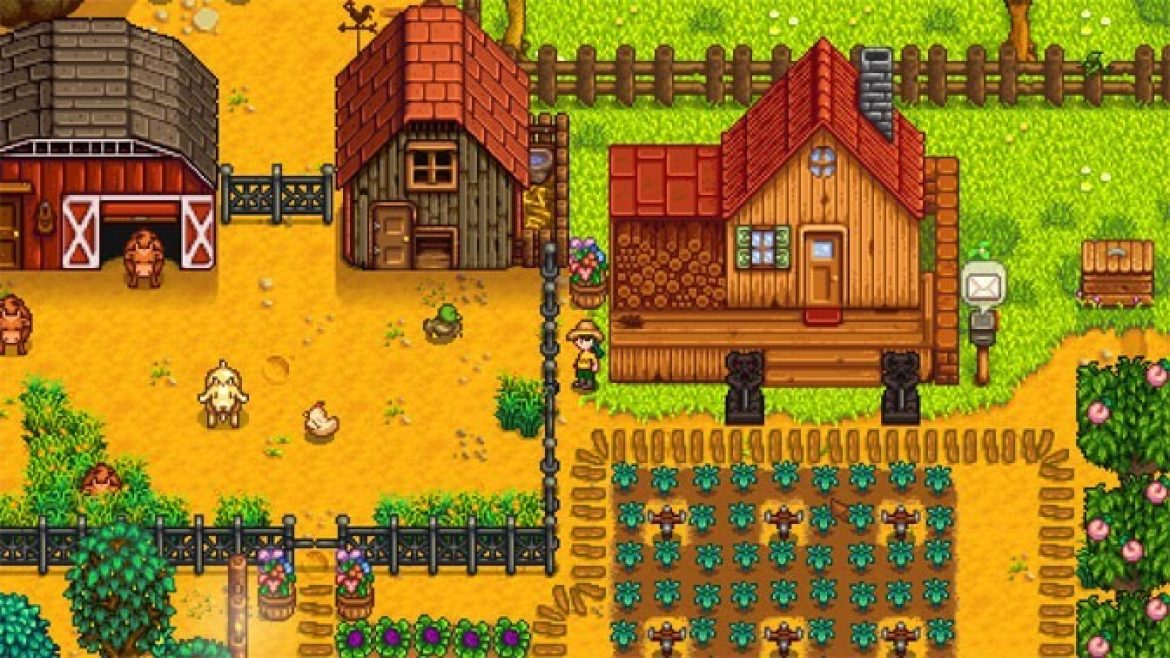
Few gaming categories have grown as steadily as cozy games, and for good reason. Games like Stardew Valley give players a small farm to manage, relationships to build, and a slow seasonal routine to settle into. Nothing in the game feels urgent. Miss a crop harvest? You can always plant again next season. That design philosophy, where progress feels low-pressure and reversible, keeps players engaged without the stress that usually comes with competitive games.
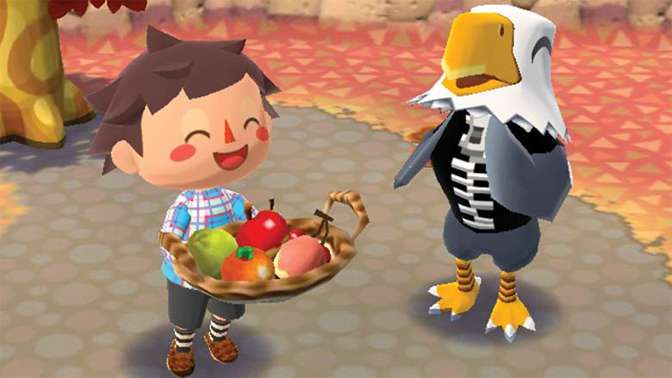 Animal Crossing: New Horizons operates on a similar principle but ties gameplay to real-world time. You log in, check what has appeared on your island, talk to your neighbors, and do a few small tasks. Most sessions naturally last 20 to 40 minutes before the game starts slowing down, which makes it ideal for evenings when you don’t want to disappear into a screen for hours. Minecraft in creative mode removes survival entirely and turns the game into a digital sandbox. In creative mode, you can build, experiment, and explore at your own pace with no enemies and no resource scarcity. Research on attention restoration suggests that calm environments with light mental stimulation can help people recover from decision fatigue. Cozy games create a similar effect in interactive form.
One reason slow-paced games feel relaxing after work is the sense of autonomy they give players. At work, your time belongs to schedules and other people’s priorities. In a game like Stardew Valley or Animal Crossing, every action is self-directed. You water crops because you want to, not because someone asked. Even in a small virtual setting, that sense of control feels genuinely relaxing.
Puzzle and Strategy Games for a Mental Reset
Not everyone unwinds by doing less. Some people unwind by shifting to a different kind of mental activity, moving from reactive workplace problem-solving to the contained, satisfying structure of a puzzle. Tetris Effect is a good example. Researchers at Oxford even used the original Tetris in studies focused on reducing intrusive thoughts after stressful events, and the Effect version adds a meditative audiovisual layer that amplifies the calming quality of the original mechanics. Monument Valley asks players to manipulate impossible architecture to guide a silent figure through geometric spaces. Each level takes roughly five to ten minutes and ends with a quiet sense of completion. It looks beautiful without feeling overstimulating, and its difficulty curve is gentle enough that players almost never feel blocked. Chess apps like Chess.com’s daily puzzle mode or Lichess serve a different function: they engage analytical thinking in a structured, low-stakes context where a wrong move costs nothing but a retry.
Mobile Sudoku and logic puzzle games offer a similar benefit. The appeal is that these games have clear endpoints. You finish the puzzle. Done. That completion loop satisfies the same cognitive need that unfinished work tasks frustrate all day.
Social Games That Feel Fun Instead of Competitive
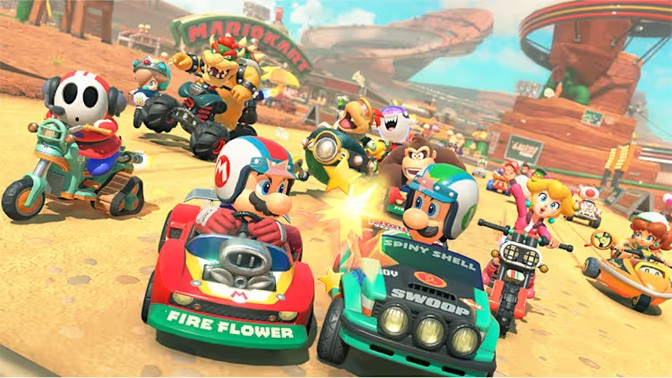 Online multiplayer games often get criticized for toxicity, but plenty of social games avoid that entirely. Mario Kart is technically competitive, but its item system deliberately randomizes outcomes enough that losing feels funny rather than frustrating. A blue shell hitting the frontrunner in the final lap produces laughter rather than resentment, which is exactly the social dynamic people want on a Tuesday evening. Fall Guys follows a similar idea: failure is visually absurd, and the stakes are zero.
Watching your bean-shaped character tumble off a platform is genuinely amusing, and the game resets so quickly that one bad round never dominates the session. Among Us is less about winning and more about the conversation it generates, which is why it works so well in groups. People argue, accuse, and laugh together rather than grinding for rank. Jackbox Games moves even further away from competitive play. Titles like Quiplash or Drawful are essentially digital party games where the goal is to be funny, not skilled. You don’t need a controller, just a phone. For groups of friends or family who want to share a screen after dinner, Jackbox requires no gaming background and produces reliable entertainment in 30 to 45-minute sessions.
Games That Work Well in Short Sessions
After a long day, some people prefer games that don’t ask much from them, which is part of why casino-style games fit so easily into short evening sessions. Slot games, card games, and roulette simulations don’t require 90-minute sessions or long storylines. You open the app, play for 15 to 20 minutes, and close it. The pace is immediate, and the format fits naturally into the gap between dinner and sleep.
Games in this category range widely in format. Slot titles like Book of Dead, Starburst, or Sweet Bonanza are designed for quick sessions with straightforward mechanics: spin, watch the result, move on. Card games like blackjack and baccarat add a light layer of decision-making without demanding strategic depth. Video poker sits somewhere between the two, offering just enough choice to keep the mind lightly occupied. These are the kinds of games you play for twenty minutes, relax with, and move on from without thinking too much about them afterward. For players who enjoy the atmosphere of a traditional casino, online platforms recreate that experience through live dealer tables and instant-play slots. The important part is choosing reputable platforms and treating the experience as casual entertainment rather than something to chase. For some players, platforms like Gangsta Casino work well precisely because they fit into shorter evening sessions, and loyalty features can let users receive bonuses without requiring much time or commitment. The overall experience is built around quick, low-pressure play rather than long, demanding sessions.