
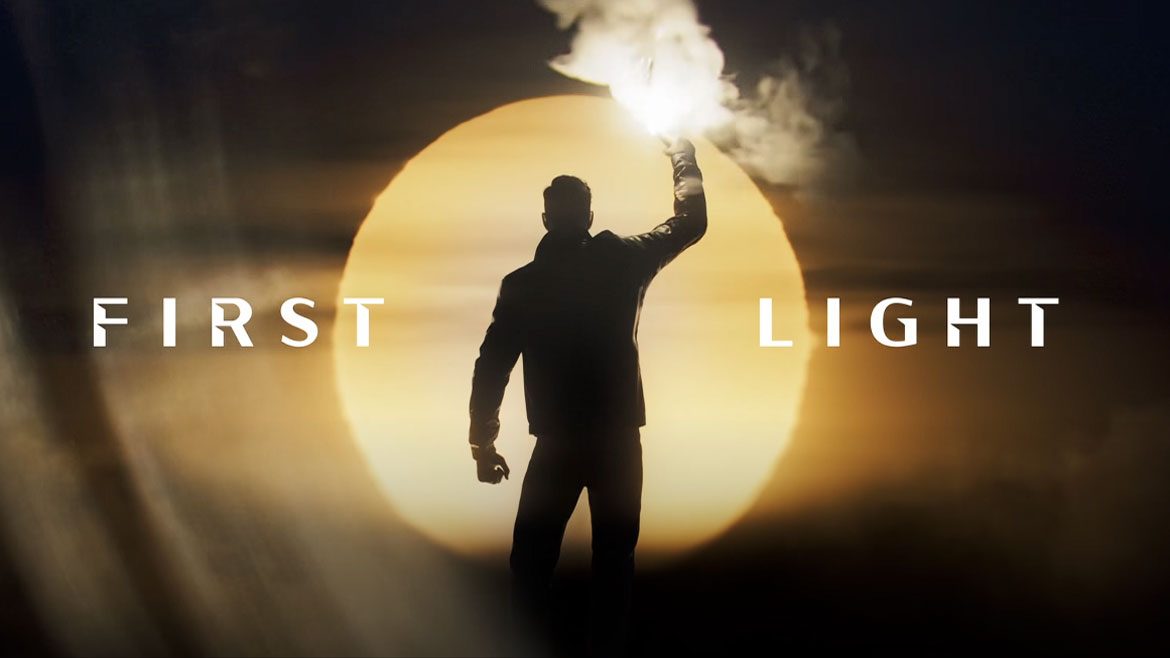
There have been a lot of James Bond games over the years, but very few of them have actually felt like Bond. Some had the gadgets, and some had the guns. Some even had the music and tuxedos. But not many have captured the full package of espionage, charm, improvisation and spectacle that makes 007 stand out from every other action hero. 007 First Light finally gets it right. And this new James Bond adventure is ready to play right now on the Xbox Series X, PlayStation 5 and for the PC through Steam and the Epic Games Store. It’s scheduled to be released for the Nintendo Switch 2 later this year.
 Developed by IO Interactive, 007 First Light tells a new standalone Bond origin story centered on a much younger version of the character. This Bond is not yet the polished super-spy everyone knows. At the start, he is a naval air crewman whose heroic act gets him noticed and pulled into MI6’s revived Double 0 program. From there, the game follows his earliest steps through training, field work and a conspiracy that quickly grows much larger than a simple assignment. It’s a smart setup because it lets players see Bond becoming Bond rather than just dropping into the role after all the interesting parts have already happened.
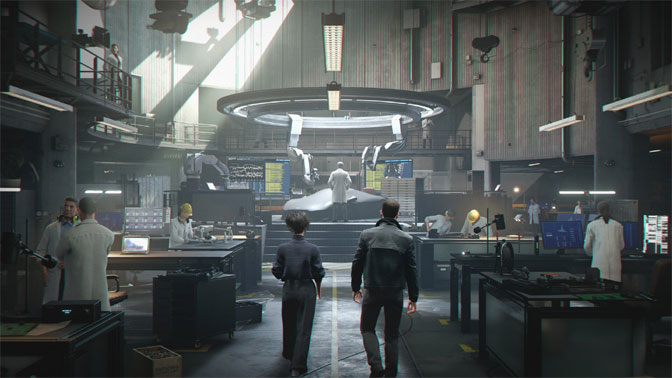 That structure also lets the title have a lot of fun with Bond’s many “firsts.” This includes the first time he gets sent on a mission with almost no formal spy training. The first time he works his way through MI6’s systems. The first time he walks into Q’s lab and starts getting access to gadgets. Those moments make the whole thing feel like an origin story instead of just a reboot with a younger face, and we get to experience all of it through the eyes of a young James. Even better, the people around Bond react to him differently as he grows in reputation. Early on in 007 First Light, he is treated like an untested kid. Later, as his legend starts taking shape, NPCs respond to him with a different kind of energy. That is a subtle touch, but a very good one.
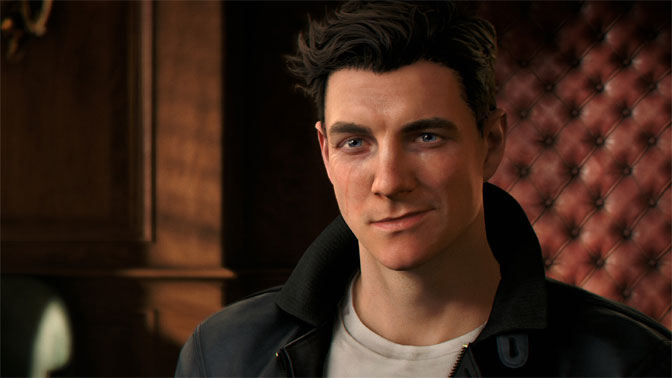 Actor Patrick Gibson is a major reason all of this works. He makes for an excellent Bond. He is slick without feeling too polished too early. He is charming, but there is still enough youthful recklessness there to sell the idea that this is a talented recruit who has not fully grown into the myth yet. In fact, he works so well here that it is easy to imagine him doing the role in an actual Bond movie someday, though this version of Bond is intentionally young and still finding his footing. IO Interactive has also officially highlighted Gibson as the face of this version of Bond, and it is easy to see why.
The story is one of the game’s biggest strengths. It leans much more heavily into espionage than I expected, and that is a good thing. This is not just a string of explosions and one-liners stitched together by a license. The plot unfolds in a way that feels smart and genuinely engaging, with twists and shifting loyalties that fit the Bond formula while still keeping players guessing. In some ways, it is better than a lot of the Bond films. It knows when to slow down, when to let information simmer and when to hit the accelerator.
 Gameplay is split broadly into two styles and both work. The first is infiltration. These missions have Bond sneaking through guarded spaces, trying to blend in, bluffing his way through conversations or using gadgets to create distractions from a distance. You can trigger speakers, tamper with machines and pull guards away from where you need to be. In those moments, it is impossible not to see a little bit of the DNA from the Hitman series, which makes sense coming from IO Interactive. Some levels feel like they were built by a team that deeply understands the pleasure of getting past a room full of people without anyone realizing how you did it.
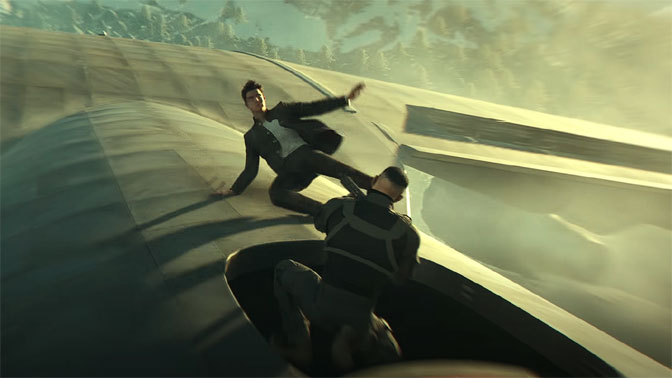
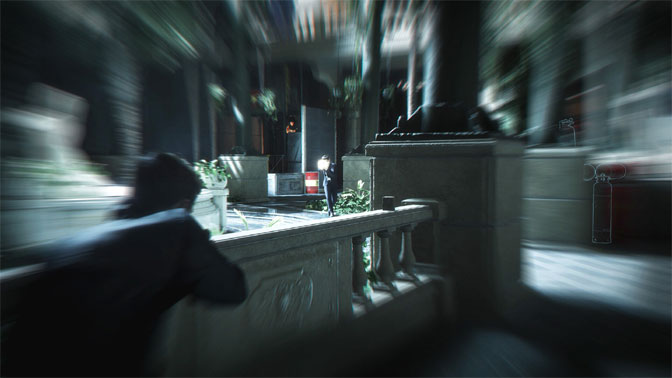 The second style is action, and this is where 007 First Light really starts to feel like an interactive Bond movie. These sequences are usually more directed and more or less on rails, but in a good way. They are about momentum, spectacle and getting players from one dangerous situation to the next with maximum drama. There is an early mission aboard a cargo aircraft that is a perfect example. You are not just shooting bad guys. You are also using the plane’s controls to shift the aircraft left and right, sending cargo sliding around the hold and wrecking enemy positions in the process. That kind of sequence is ridiculous, clever and very Bond.
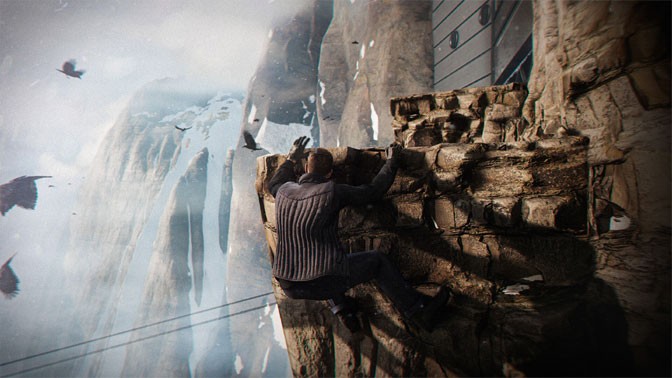 007 First Light’s mission design in general offers a lot of flexibility. You really can go silent or go loud depending on how you want to approach things, which matches the game’s official pitch. Players can fight with fists or firearms, sneak around with gadgets, manipulate people from a distance or bluff your way through select encounters. That freedom helps keep levels from feeling too one-note and gives players room to role-play their own Bond a little bit.
 Visually, 007 First Light is excellent. The environments are detailed, the character animation is strong and the whole production has the kind of confidence you would hope for from a modern Bond game. It also understands how to use spectacle. Launching into action scenes feels dramatic, and the game has a real sense of rhythm when it wants to show off. The sound design is just as strong. Between the music, the effects and the way the world reacts around Bond, this title consistently sounds as good as it looks.
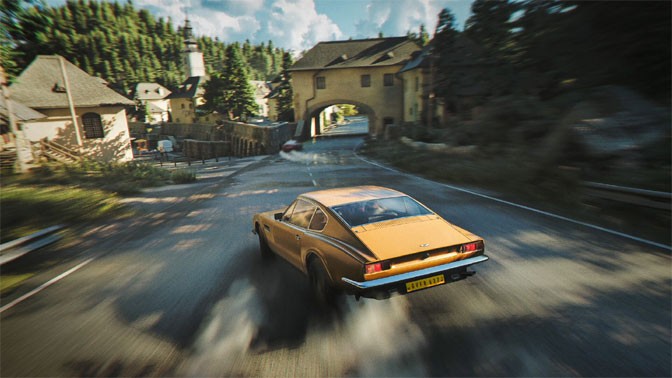 There are a few weaker spots. The driving sections are probably the least convincing part of the package. They are exciting in theory and make sense for a Bond game, but the vehicles, especially the sports cars, can feel too floaty. They do not always seem planted on the road the way they should. It’s easy to slide or spin out even at lower speeds, and the physics never felt as responsive as they needed to. The melee combat also took me a little time to master. It asks for more precision and more reaction timing than I expected, with a lot of counters and inputs to remember. Some players will probably enjoy that. I found it a bit challenging at times. Thankfully, the difficulty options let you dial that back if needed, which makes the fights more manageable.
Replayability is another plus. In addition to the main campaign, there is a separate VR training section in Q Lab where you can replay missions, add modifiers and chase extra rewards like outfits and other unlocks. It is clearly secondary to the main story, but is still a nice bonus and gives players a reason to come back after the credits roll.
 In the end, 007 First Light succeeds because it understands the assignment better than almost any Bond game before it. It has the espionage, the gadgets, the action, the charm and most importantly the confidence to make all of those things work together. Patrick Gibson is amazing, the story is genuinely strong and the mission design makes good use of IO Interactive’s talent for stealth and improvisation. A few rough edges in the driving and melee systems are not enough to hold it back. 007 First Light is not just a good game as a licensed product. It’s a great Bond experience, and at times it feels like one of the best Bond adventures in any medium.