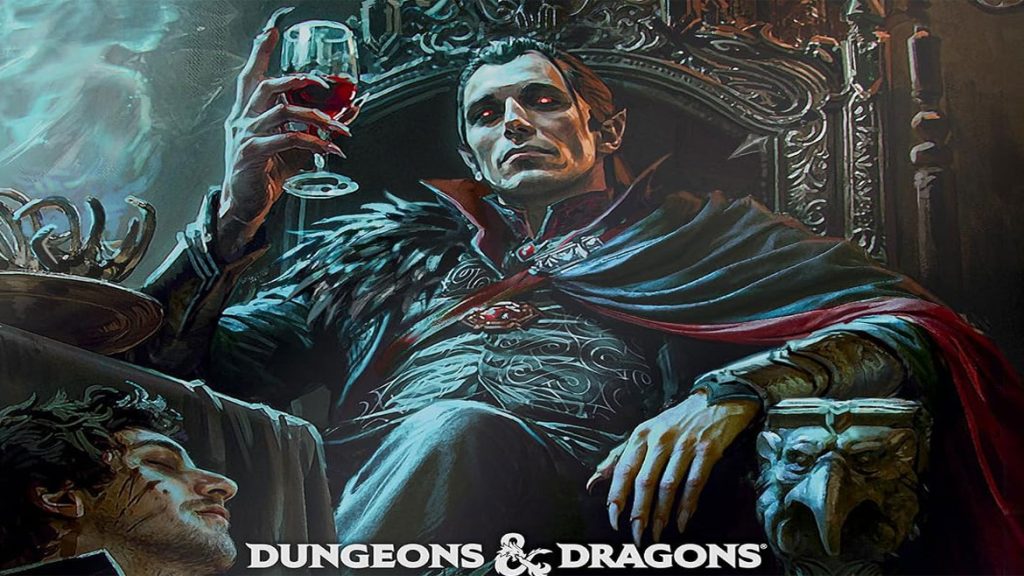

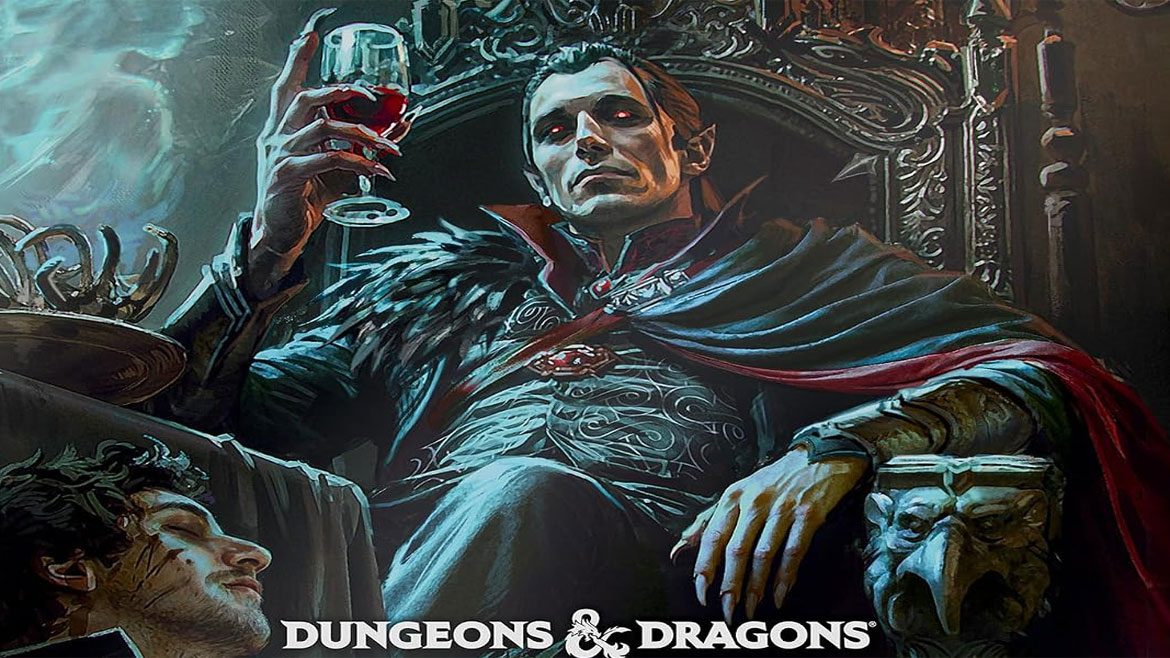
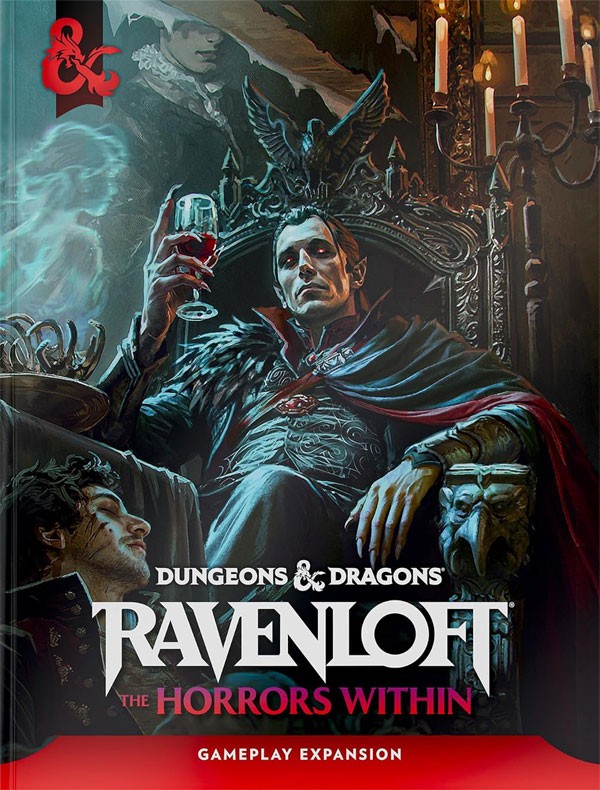
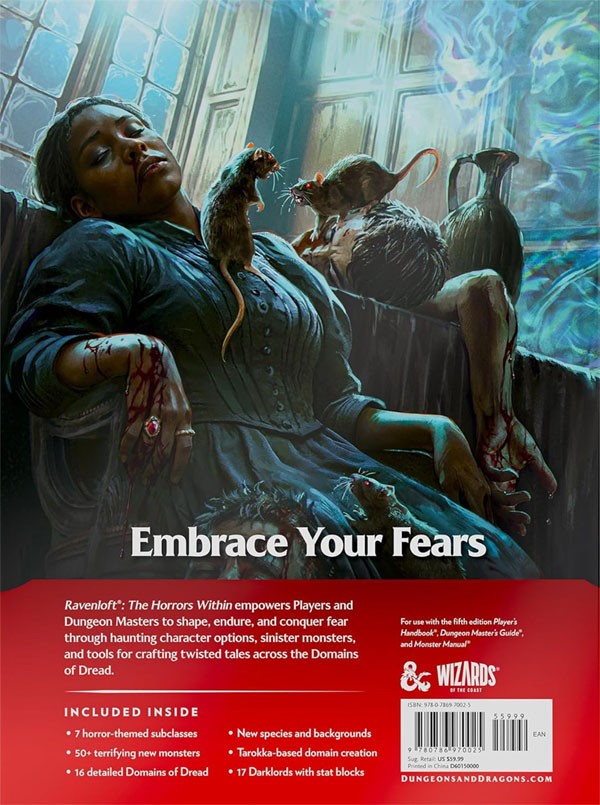
Ravenloft: The Horrors Within is one of the few Dungeons and Dragons books that rewards both Dungeon Masters and players. It is full of illustrations, many of them double-page spreads, and is one of the most artful and art-filled books I’ve reviewed. It’s available at your local game store and on Amazon, alongside a new Ravenloft screen, Tarokka Deck and a map pack.
The first chapter of Ravenloft: The Horrors Within gives players seven subclasses, four backgrounds, four species, two origin feats and nine “Dark Gifts” that can act in place of feats. These 32 pages all center around the concept of the “Haunted Hero.”
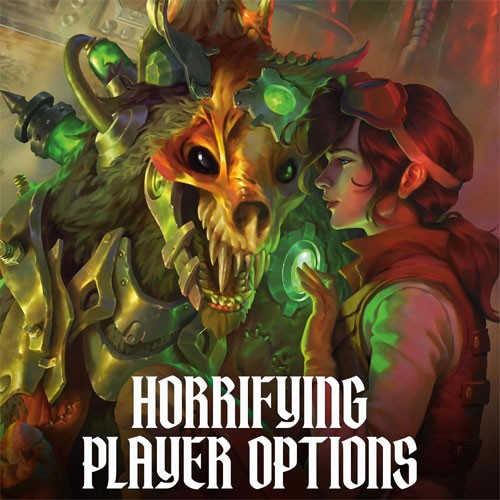
Any player who wants to be part of a horror campaign will find ready-made templates like the Artificer subclass Reanimator. Most Artificers have a steampunk feel and draw their inspiration from gear-driven technology. This one derives inspiration from the gothic romance of Mary Shelley’s “Frankenstein” and later works in that tradition. It is also perfect for that one player who wants a Franken-dog or Corpse Cat to be their creepy friend, like something out of a Tim Burton movie.
The Grave Domain Cleric is not a new subclass, but it’s borrowed and slightly changed from Xanathar’s Guide to Everything. They are there to honor the end of life and fight those who make a mockery of it, like the undead (think Caduceus Clay, a member of the Mighty Nein from Critical Role’s second campaign). Vampires, ghosts and ghouls are their natural enemies.
There are five other classes, including the Undead Patron (Warlock), Shadow Sorcerer (Sorcerer), Phantom (Rogue), Hallow Warden (Ranger) and College of the Spirits (Bard). They all fit the setting well and give good insight into player builds that will enhance the horror elements of this type of campaign.
There are also some species a player can choose, such as someone with vampiric traits called a Damphir, mortals with dark fey roots referred to as Hexblood, humanoid beings carrying werewolf traits known as Lupin and individuals carrying undead traits called the Reborn. They all offer solid advantages. For example, the Reborn have an advantage on death saving throws and immunity to magical sleep. The backgrounds are interesting too with Investigator being one I especially like. With Investigator, you gain proficiency in Insight, Investigation and a feat such as Sharp Eye or one of the Dark Gifts in this book.
The Dark Gifts are very flavorful and fun. One of them, Living Shadow, gives the character a shadow that has a mind of its own and can act as a Mage Hand spell, picking up and manipulating things and even extending an attack beyond your normal range.
This book draws inspiration and content from the original Ravenloft, that was published in 1983 and written by the husband-and-wife team of Tracy and Laura Hickman. That adventure, written for the first edition of Advanced Dungeons and Dragons, was so popular that it became a whole subgenre within Dungeons and Dragons. Many later books expanded on its central premise of a tragic Dracula-like villain, Count Strahd von Zarovich, whose obsessive love for the dead Tatyana, a villager who lived below his castle, draws the player characters into a broader conflict in Strahd’s kingdom of Barovia.
 This original adventure was not a typical module where characters went up against a two-dimensional villain or entered a strange dungeon full of traps and treasure. Instead, they found themselves in a Transylvania-like kingdom with secretive townsfolk trapped under Strahd’s rule. Strahd was not trying to conquer the world. He was trying to resurrect his lost love while loosely ruling a kingdom that feared him.
Later editions took the idea of Strahd’s misty kingdom of Barovia and expanded it into a demiplane made up of many realms called the Domains of Dread. Chapter Two of this book develops different Domains and assigns different archetypes of horror to each one. This part of the book is especially useful for Dungeon Masters, though it could also help players if they want to make one of these places their point of origin.
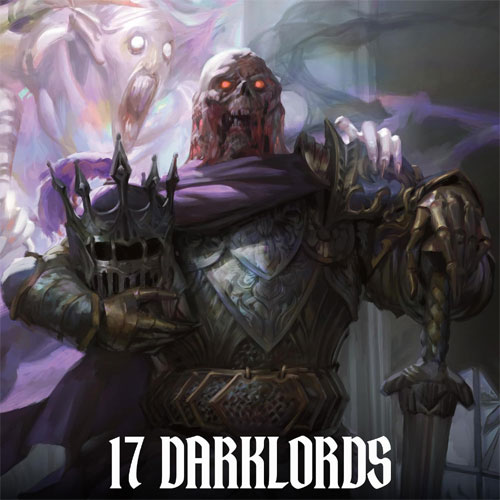
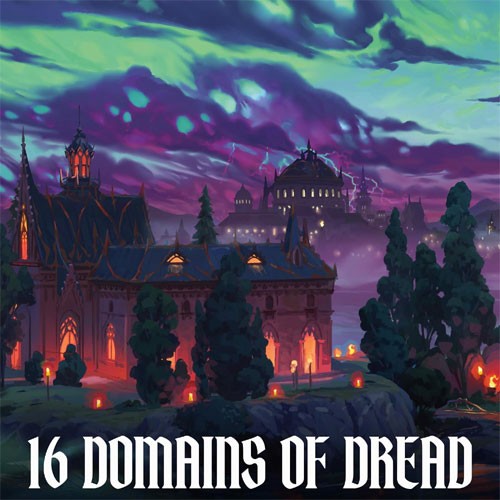 There are 16 such Domains detailed in Chapter Two. These are all walled off from each other and are said to exist “on the edge of the Shadowfell.” Each Domain has a Dark Lord who possesses magical influence over the domain while also being imprisoned by it. Most of these sections run three to four pages and focus on one major villain, except for Borca, the “Domain of Desire and Deceit,” which has 10 pages devoted to it and two Dark Lords.
I must say that this section of the book is great for Dungeon Masters. It gives the bare bones of a small, mapped-out area with great pictures and stat blocks for both the Dark Lord and the special effects of the domain on the characters. Like Dante’s circles of Hell, each Domain holds a specific punishment for the Dark Lord forced to live there.
The largest, Borca, has the political intrigue of nobles, their desperate sycophants and spies along with a literal poisonous femme fatale for one Dark Lord and who is countered by a clever clockwork toymaker that also holds Dark Lord status. There are other creative domains too, like Kartakass (the “Domain of Tarnished Dreams”) with a song-stealing bard as the Dark Lord.
 One Domain that surprised me was the one based on Cthulhu. It uses Lovecraft’s setting to show the true inspiration for cosmic horror.
It is only given a few pages, but it is not merely an homage. It is a direct D and D 5.5 representation of Cthulhu that’s complete with a set of hit points.
Chapter 3 explains how to run these Ravenloft adventures, and Chapter 4 gives you game mechanics and inspired tables to create your own Domain of Dread. It also includes narrative insights into different horror genres, including body horror, cosmic horror, folk horror, ghost stories, gothic horror and more. These sections explain each genre with examples and possible problems that might arise when running them.
The final chapter includes lots of monsters that are perfect for any dark fantasy campaign.
When we were sent this new supplement for review, I did not expect it to have so much new material to offer over the old Ravenloft imprint. But if you like mixing horror into your characters or campaigns, then Ravenloft: The Horrors Within is the book for you.