
From Xbox gamertags to cross-platform communities, the name players choose has become an increasingly important part of how they connect, compete and establish their place in gaming culture.
There was a time when choosing a gaming username was little more than a formality. Players entered a nickname, joined a multiplayer lobby and rarely gave it another thought. The name might have been an inside joke, a favourite character or a random combination of letters and numbers.
Today, that same username can represent years of achievements, friendships, competitive experiences and community participation. For some players, it is a recognisable identity that extends across multiple games, platforms and social networks.
As online gaming continues to evolve in 2027, digital identity has become an important part of the player experience. The growth of cross-platform gaming, creator communities and multiplayer social spaces means that choosing a name is no longer simply about filling in a profile field.
It is about deciding how other people will recognise you in an increasingly connected digital world.
Gaming Usernames Have Become Digital Identities
A gaming name serves several purposes simultaneously. It identifies a player during matches, helps friends locate their account and becomes associated with their behaviour and accomplishments over time.
In competitive games, consistent names can become familiar within particular communities. A player who regularly participates in tournaments, ranked matches or community events may develop a reputation that others associate with their username.
The same principle applies to more casual experiences. Long-running friendships formed through cooperative games, MMORPGs and online communities often begin with recognising the same familiar usernames.
Unlike traditional social media profiles, where real names are relatively common, gaming has historically encouraged the use of pseudonyms. This allows players to experiment with identities that reflect their interests, personalities or preferred gaming styles.
A username might communicate humour, competitiveness, creativity or an attachment to a particular fictional universe.
For many players, these identities become meaningful precisely because they are self-selected. They offer a way to participate in a community without necessarily connecting every interaction to a real-world identity.
Cross-Platform Gaming Has Changed How Players Choose Names
 Modern gaming is no longer neatly separated into individual platforms.
Someone might play competitive shooters on a PC, enjoy cooperative adventures on PlayStation and use Xbox services to maintain friendships with another group of players. Meanwhile, community conversations may continue through Discord, livestreaming platforms and social networks.
Cross-platform multiplayer has made these overlapping environments increasingly common.
However, account systems are not universally connected. Xbox gamertags, PlayStation online IDs, Steam profile names and game-specific display names are managed through different systems, each with its own availability rules and restrictions.
A name accepted on one platform may already belong to another player elsewhere. Character limits, permitted symbols and naming conventions can also vary.
As a result, choosing a reasonably consistent identity across gaming services requires some planning.
Players who want to become recognisable within a community may benefit from adopting a distinctive name that is easy to spell, pronounce and remember.
For example, someone using substantially different names across every platform could be difficult for existing teammates to identify. Maintaining a similar naming style, even when identical usernames are unavailable, can make those connections easier.
This is particularly relevant to content creators, competitive players and community organisers whose audiences may encounter them across several services.
Why Gamertag Creativity Still Matters
Finding an original gaming name is not always straightforward.
After decades of online multiplayer gaming, many obvious combinations of popular words, character names and gaming terminology have already been claimed.
Players frequently resort to adding numbers, replacing letters with symbols or extending names with additional characters. While these approaches can solve availability problems, they sometimes make usernames harder to remember.
The challenge is finding a balance between originality and recognition.
A creative name should ideally remain understandable when spoken aloud, visible on a scoreboard or displayed alongside dozens of other players.
Different gaming communities also favour different naming conventions.
Competitive shooter players may prefer shorter names that are easily recognised during fast-paced matches. Fantasy RPG communities often embrace names inspired by fictional languages, mythology or character backstories. Meanwhile, casual multiplayer communities may favour humour, wordplay and deliberately unusual combinations.
Naming tools can be useful during this creative process, particularly when players want inspiration beyond familiar combinations.
Resources such as GamerBolt’s gamertag generator allow players to explore different naming styles and generate ideas suited to their preferred gaming identity.
Rather than guaranteeing availability across every service, such tools are best understood as a starting point. Players can experiment with suggestions, adapt combinations to their preferences and then check whether a chosen name meets the requirements of their intended platforms.
This distinction matters: generating a creative username and successfully registering it are two separate steps.
Why Gaming Platforms Treat Names Differently
 Although usernames appear relatively simple to players, they form part of much larger account and identity systems.
Gaming platforms need to distinguish individual accounts, support moderation, protect existing users and ensure that names function correctly throughout their services.
Xbox provides an interesting example.
Microsoft’s modern gamertag system allows multiple players to use the same underlying gamertag text while distinguishing accounts through unique suffixes where necessary.
According to Microsoft’s documentation on modern gamertags, developers are encouraged to display these suffixes in a way that preserves account identification without unnecessarily distracting from the player’s chosen name.
This approach illustrates an important design challenge: how can platforms give users greater freedom over their identities while maintaining the ability to identify individual accounts accurately?
PlayStation takes a different approach to online identification.
Sony allows users to change their PlayStation online IDs, with the first change available free of charge and subsequent changes generally subject to a fee.
However, Sony also warns that changing an online ID can create issues with some PlayStation 4 games. Its official guidance on changing a PlayStation online ID recommends reviewing the relevant compatibility information before making changes.
These differences highlight why gaming identity remains more complicated than selecting an attractive nickname.
Names are connected to account infrastructure, social features, historical activity and sometimes compatibility considerations extending across multiple hardware generations.
Gaming Identity and the Growth of Creator Communities
The importance of recognisable gaming names extends beyond traditional multiplayer competition.
Gaming communities increasingly include livestreamers, video creators, modders, guide writers, tournament organisers and players who build audiences around particular games.
For these individuals, a username can become part of a wider public identity.
A memorable name makes it easier for viewers to find a creator’s channel, recognise their contributions and recommend their work to others.
Consistency also helps reduce confusion. When a creator uses similar names across gaming accounts and community platforms, followers have a clearer way to identify official profiles.
However, visibility brings additional responsibilities.
Public usernames can attract impersonation attempts, harassment and unwanted attention. Players building recognisable identities should therefore consider basic account security, privacy settings and the amount of personal information they associate with their profiles.
Using a consistent gaming name does not necessarily mean making every aspect of one’s online activity public.
In fact, one of the benefits of gaming pseudonyms is the opportunity to maintain a meaningful distinction between a public gaming identity and private personal information.
That flexibility remains valuable as gaming communities become more interconnected.
Competitive Gaming Gives Names a Longer Lifespan
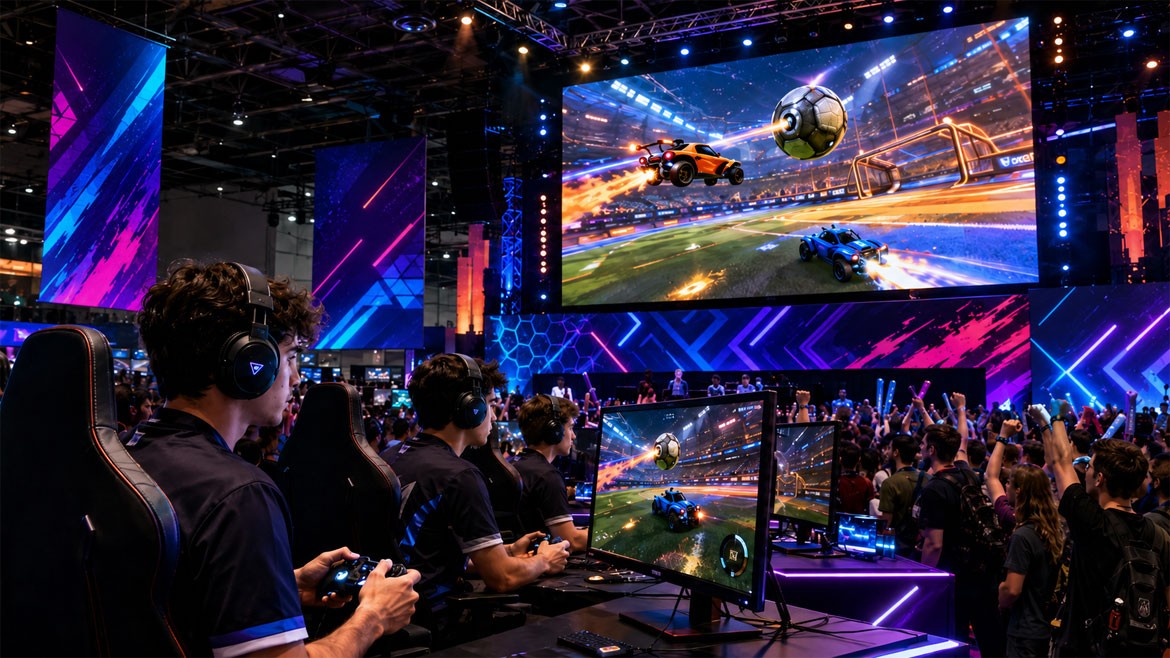 Competitive gaming has helped demonstrate how individual player identities can grow beyond specific games.
Professional esports players are often known primarily by their chosen handles. Those names can accompany them through team changes, different competitions, interviews and streaming activities.
A recognisable identity provides continuity even when the surrounding game or organisation changes.
The same dynamic exists on a smaller scale among amateur competitive players.
Someone participating regularly in community tournaments may develop a reputation through their chosen name. Teammates and opponents might remember a player’s communication style, strategic approach or performance long before they learn anything about the person behind the account.
This does not mean every competitive player needs a carefully constructed personal brand.
However, it helps explain why some players treat their username as a long-term decision rather than something they change every few weeks.
A name associated with positive experiences and established relationships can acquire personal value over time.
The Psychology Behind a Memorable Gaming Name
What makes one username more memorable than another?
There is no universal formula, but several practical characteristics can make a difference.
Simplicity: Shorter names or familiar word combinations are generally easier to recall than long strings of unrelated characters.
Distinctiveness: A name that differs from common gaming expressions may be easier to recognise in a crowded community.
Pronunciation: Multiplayer communication often happens through voice chat. Names that teammates can pronounce naturally are easier to use during conversation.
Consistency: A recognisable naming style across platforms can help preserve social connections.
Personal relevance: Names inspired by meaningful interests, experiences or creative ideas may remain appealing for longer than those chosen solely because they follow a temporary trend.
Of course, gaming culture also thrives on exceptions.
Some deliberately complicated or absurd usernames become memorable precisely because they break conventional naming rules. Others succeed through humour, unexpected combinations or references understood only within particular communities.
The best choice ultimately depends on the environment in which the player intends to use it.
Digital Identity Will Continue to Evolve
The relationship between games and online identity is likely to become more complex as social features, creator ecosystems and cross-platform experiences develop.
Players already move between games that use very different approaches to account names, avatars, character customisation and social profiles.
Some communities place greater importance on a player’s chosen name. Others emphasise character appearance, guild membership, competitive ranking or creative output.
Future identity systems may make it easier to maintain continuity across connected experiences, although this will depend on individual platform decisions, technical standards and privacy considerations.
There is also an important distinction between interoperability and uniformity.
Players do not necessarily want one permanent identity attached to every game they play. Different genres and communities can encourage different forms of self-expression.
Someone might prefer a serious competitive identity in an esports-focused title and an entirely different character name in a role-playing world.
Giving players control over those choices is arguably more valuable than expecting every account to adopt an identical name.
A Small Choice With Lasting Significance
 Choosing a gaming username may take only a few minutes, but the decision can have consequences that extend for years.
Names become associated with friendships, memorable matches, creative projects and shared experiences. They help players recognise one another across increasingly complex digital communities.
For developers and platform operators, usernames are part of the infrastructure that makes these interactions possible. For individual players, they remain one of the simplest ways to express personality and establish a place within gaming culture.
As online gaming continues to expand beyond individual titles and platforms, the humble gamertag has become more than a label above a character’s head.
It is often the first thing another player learns about you — and sometimes the one thing they remember long after the match has ended.