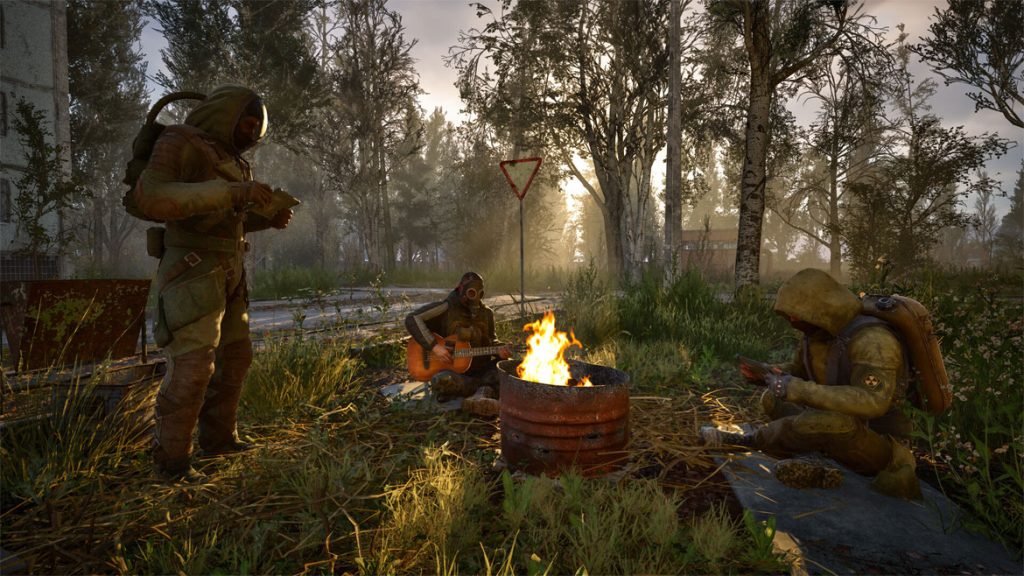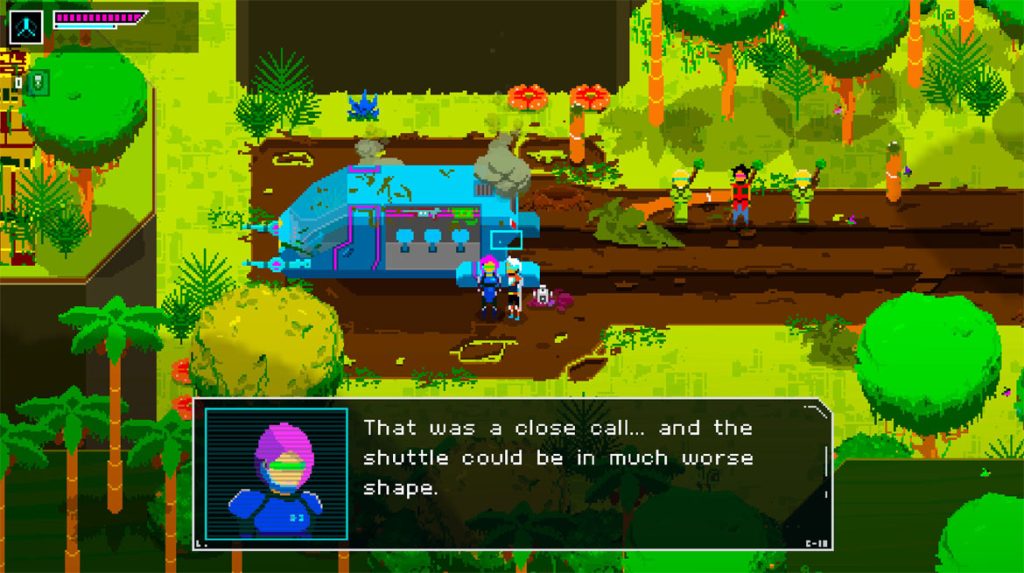

Anyone who has lost an afternoon to a metroidvania or a management sim knows the feeling. You crack open a hidden chest in Hollow Knight, line up a risky expansion in a city-builder, or watch the numbers tumble after a gamble in Crime Simulator, and there it is: that little spark of “what if this one pays off?” That spark is one of the oldest hooks in entertainment, and indie developers have gotten remarkably good at lighting it. The thrill isn’t really about winning. It’s about the moment right before you know, when the outcome is still hanging in the air and anything feels possible.
That same wide-open feeling is exactly why so many casual fans wind up curious about a social casino when they want a no-pressure way to enjoy the luck-of-the-draw mood. These sweepstakes-style sites run on a promotional model built around Sweeps Coins and Gold Coins, so the fun comes without a required purchase, and a good ranked guide walks newcomers through how redemptions work, where the model is available state by state, and which welcome offers actually deliver. For someone who already loves the chance-based rhythm of indie games, that kind of hands-on review and responsible-play breakdown is simply the next logical place to look for a relaxed dose of “maybe this is the lucky spin.”
The Indie Obsession With Chance
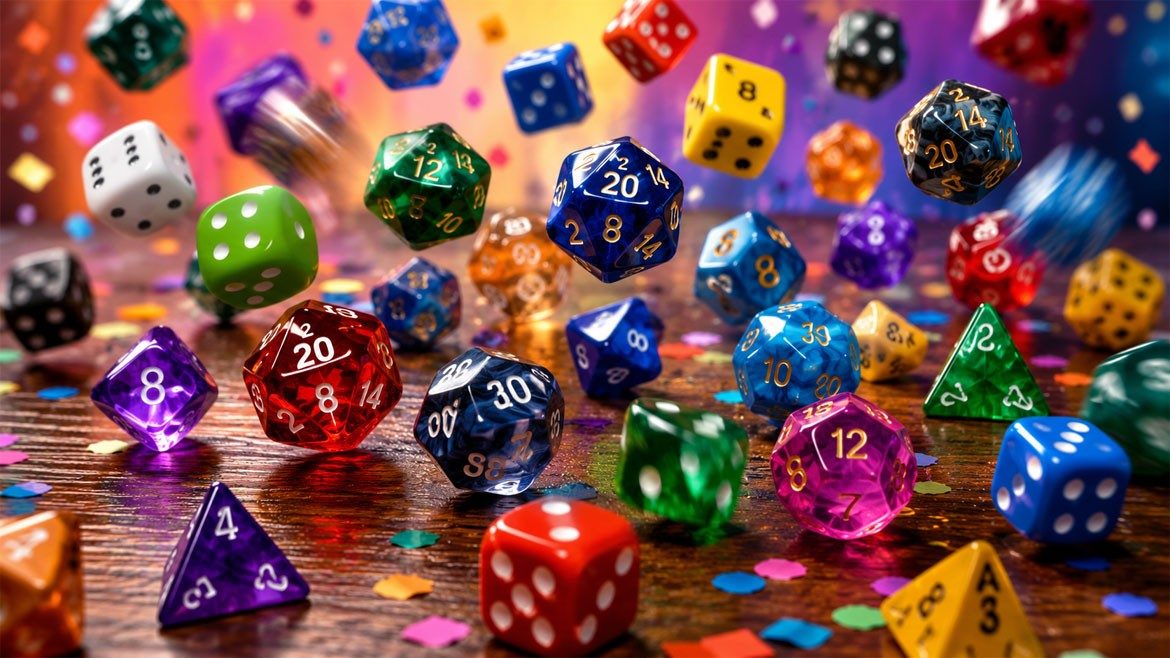
Indie studios live and die by replay value, and randomness is one of the cheapest, most effective tools they have to keep players coming back. Roguelikes built the entire genre on it. Hades hands out a different set of boons every run, Slay the Spire shuffles a fresh deck of decisions into your lap, and Dead Cells scatters its weapons so you never quite repeat the same descent. None of those games would feel half as alive if you always knew what was coming.
Metroidvanias play a quieter version of the same game. The map is fixed, but the joy of exploration leans on discovery — the unknown room, the secret behind a breakable wall, the upgrade you weren’t expecting. Even when the layout is hand-crafted, the player’s experience of it feels chance-driven, because they don’t yet know what’s around the corner. That tension between control and surprise is the secret sauce.
When the Numbers Decide
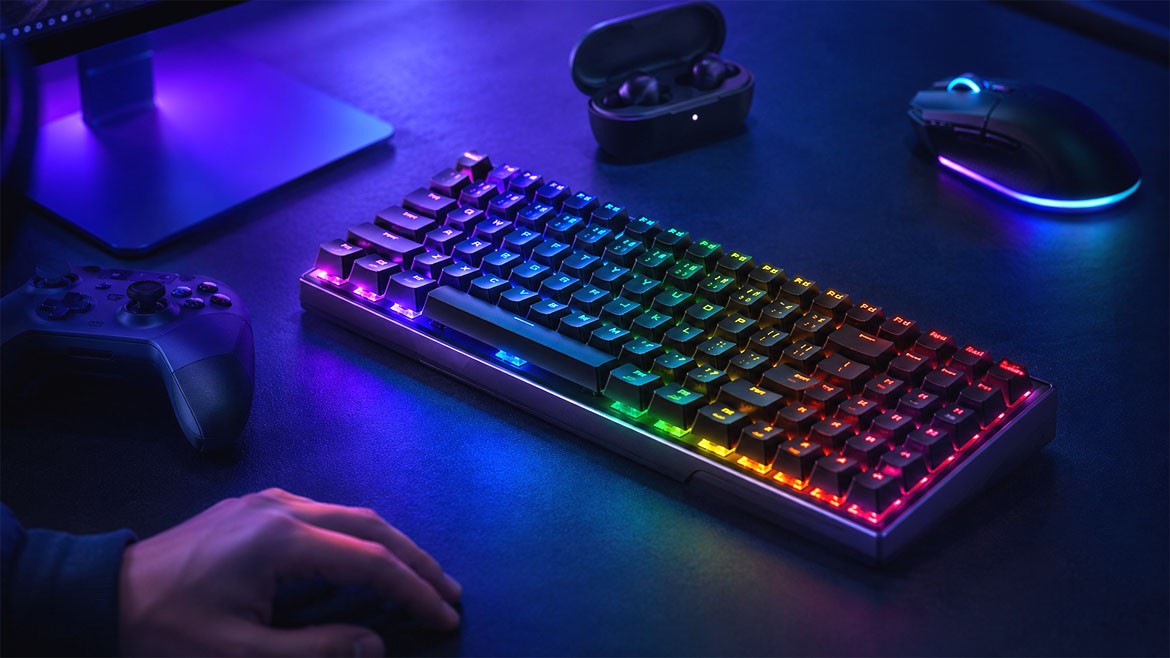 Management games scratch the itch from a different angle. Titles like Crime Simulator, Two Point Hospital, or RimWorld hand the player a spreadsheet’s worth of decisions, then let probability sort out the consequences. A heist might go clean or fall apart. A patient might recover or rage-quit your hospital. A colonist might survive the winter or wander off into a blizzard.
What makes these moments stick isn’t the math itself — it’s the suspense wrapped around it. There’s a whole body of research on this, including the science of surprise, which explores how well-tuned probability keeps a player leaning forward instead of clicking away. Too predictable and the game gets stale. Too random and it feels unfair. The sweet spot lives right in between, where a player feels skilled and lucky at the same time. Management sims thread that needle constantly, which is why a single bad dice roll can sting harder than an hour of careful planning.
The Psychology of the “Almost”
Why does a near-miss or a surprise jackpot feel so good? Psychologists have a surprisingly detailed answer. Uncertainty, it turns out, is its own reward when the stakes are framed as play. Studies on enjoying uncertain success in games describe how the brain treats a hopeful unknown as something pleasurable rather than stressful, as long as the outcome stays low-consequence and the player chose to be there.
That’s the magic trick at the heart of so many beloved titles. The egg that might hatch something rare, the loot drop that might finally complete the set, the boss that might leave behind the weapon a player has chased for ten hours — each one delivers a tiny hit of anticipation. The same circuitry lights up whether someone is opening a chest in Stardew Valley or watching reels settle on a casual sweeps-style game. The wrapper changes; the feeling underneath does not.
Leisure, Luck, and the Bigger Picture
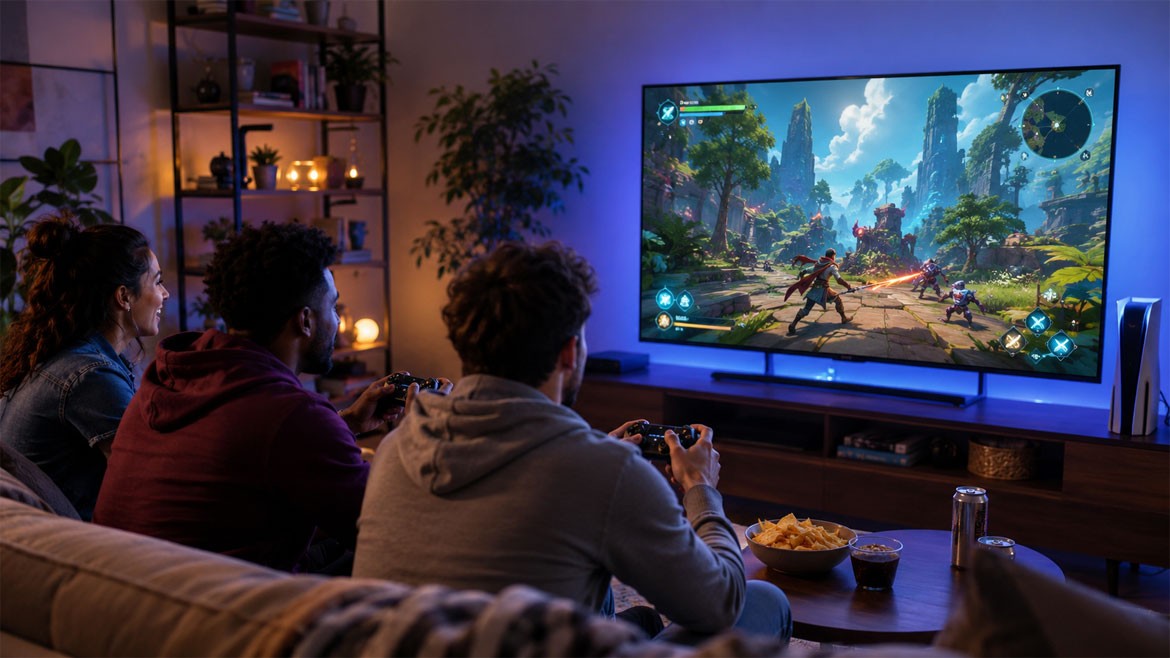 Step back far enough and chance-based fun looks less like a gimmick and more like a thread running through how people relax in general. Academic work on the cultural significance of video games traces how interactive entertainment has grown into a mainstream way to unwind, socialize, and chase small thrills after a long day. Luck-driven moments are a big part of that appeal because they require no commitment and reward curiosity instead of grinding.
It explains why the audiences overlap so neatly. The person who loves the gamble of a Crime Simulator job or the random boons of a roguelike is wired to enjoy the same playful uncertainty in plenty of other casual settings. Chance is the common language of leisure, and indie games speak it fluently.
Same Spark, Different Screens
The takeaway for anyone who follows the indie scene is pretty simple. The reason a hidden room in a metroidvania feels electric, the reason a risky expansion in a management sim makes the heart race, comes down to the human love of not knowing — and then finding out. Developers have spent years refining that feeling into an art form, and players keep showing up for it because it never really gets old. Whether the next surprise comes from a pixel-art dungeon or a casual sweeps-style spin, the pull is the same: one more pull, one more “what if,” one more chance to get lucky.