
It’s late. You’ve been on this slot for twenty minutes, and a bar at the top of the screen is almost full. If you complete one more bonus round, you will enter a new world. You know this bar. You’ve done this a thousand times in free games.
Your thumb keeps going. And here’s where it gets strange. The bar is the same shape and color, and it makes the same little chime when it fills. So why does one version feel like fun, and this one feel like a hook? Hold on to that question. The answer is the whole point, and it’s about what the slot kept and what it quietly took away.
Slot machines used to be simple. Pull, spin, win or lose, repeat. In the last fifteen years, they have started to learn from the best retention engineers around, the people who build video games. We looked into how far that borrowing goes. It goes all the way down.
Why Do Modern Slots Feel Like Video Games?
They run on the same loops. The level-up bars, unlockable worlds, and the way you can feel your progress as you play. None of that is slot heritage. It’s a total rip-off.
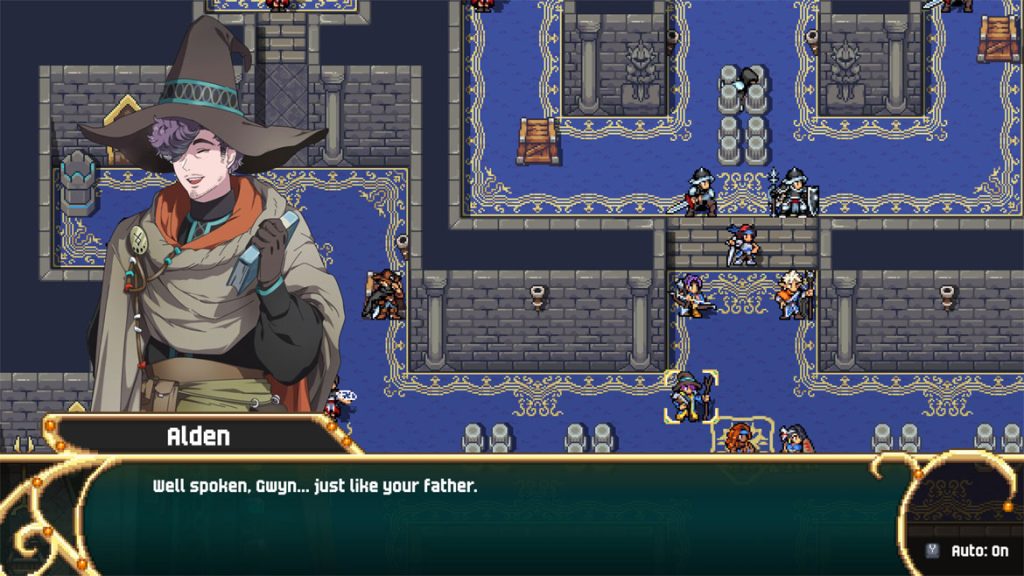
A classic slot machine gives you one feeling: Did I win this spin or not? A modern one gives you a stack of feelings on top of that. You’re not just spinning, you’re climbing. There’s a map. There’s a character who gets stronger. You’re halfway through a quest. If you stop now, you won’t have finished it. If you grew up with a controller, that grammar feels natural. You know how to make it yours.
What Game Mechanics Do Slots Copy?
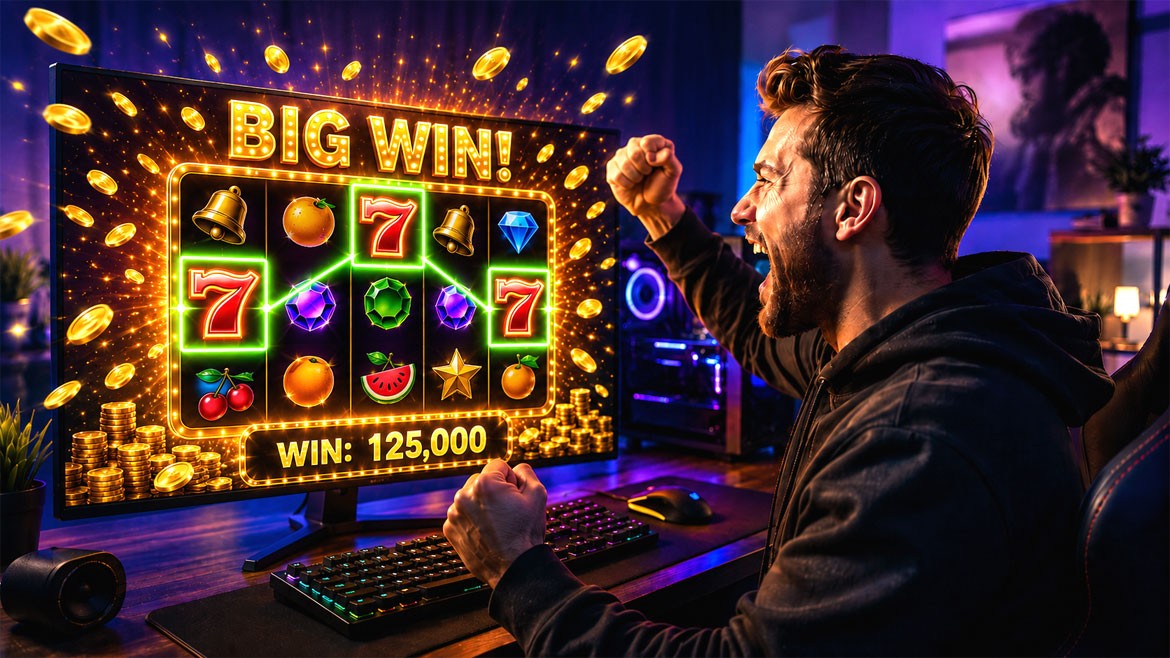 Most of the big ones. The game has multiple levels, saved progress, bonus rounds based on skill, a story with different parts, and characters that improve as you play.
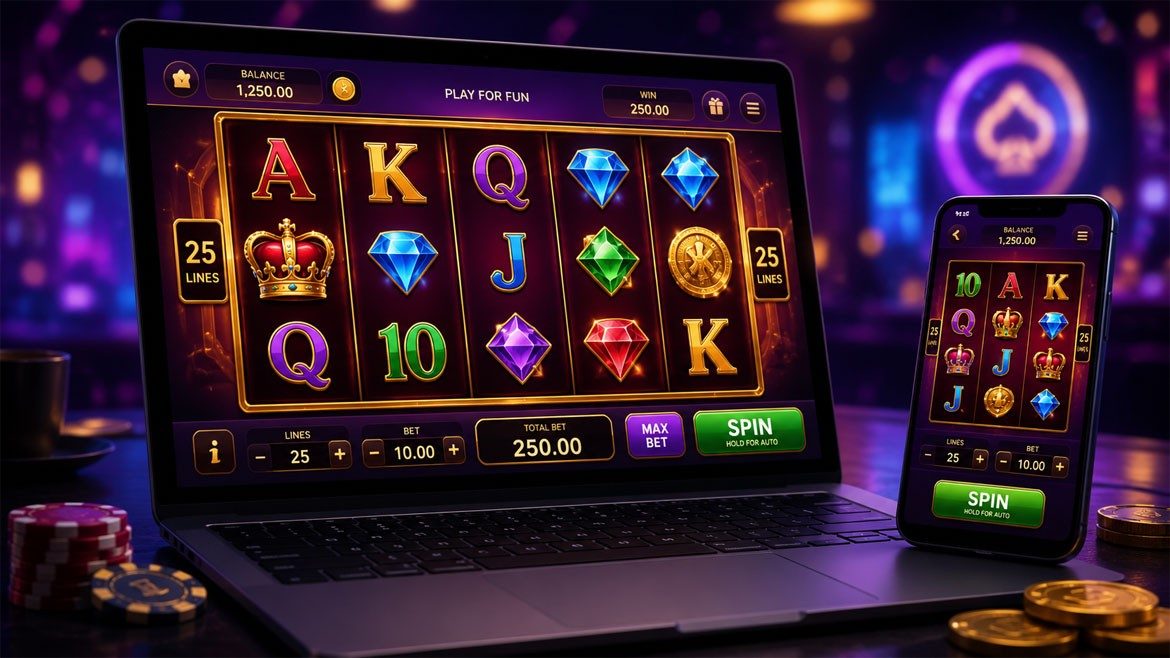
Take them one at a time, and the overlap is almost funny. You can unlock new levels and explore different worlds by playing the game regularly, just like in any other RPG. The game remembers where you left off and reminds you to go back and finish it, just like a save file. Bonus rounds give you a button to press or a chest to pick, so it feels like skill even when the math underneath is pure chance. There’s a story you move through by triggering rounds one after the other. The on-screen furniture looks like something you’d see in a video game, with progress bars, XP counters, badges, and sticky wilds that act like a new ability your character has just earned.
Is There a Difference Between a Slot and a Video Game?
One big one. A video game is built to end. There is no way to get a slot.
This is where that bar from the start bends on you. In a game, there’s a clear path to the next level. You beat the boss, you finish the story, the credits roll, and you put the controller down, feeling happy. The loop is closed. In a slot, the loop is designed to stay open forever. There’s always something else to come, another world to explore, a new beginning. Natasha Dow Schüll, an anthropologist (a person who studies human behaviour) from New York University, spent fifteen years in Las Vegas researching her book Addiction by Design (2012). She found that the machines are designed to encourage people to spend time on devices. She wrote that players end up playing not to win, but to keep playing. The slot took the video game’s engine and unscrewed the finish line.
Why Is the “Almost” So Hard to Walk Away From?
Three old tricks are all working at once: the goal-gradient effect, the near miss, and loss aversion.
The goal-gradient effect is straightforward and severe. The closer you get to a reward, the harder you try to get it. The idea of loyalty cards that give you a discount for every stamp you collect has been around since the 1930s. A progress bar that says it’s 90% complete doesn’t really tell us anything. It’s a lever. The near miss makes it obvious: two jackpot symbols on the line and a third just above it tells your brain that it’s almost there, even though ‘almost’ means nothing in a random draw. Then loss aversion makes it impossible to do so. Quitting now doesn’t feel like stopping; it feels like throwing away the level you’ve already earned. You didn’t earn anything. The machine made it feel like a loss to leave.
The oldest trick of the lot is used under all three. In 1953, B.F. Skinner showed that the best way to motivate people is not to pay them regularly, but to pay them randomly, so they never know when they will get paid. Slots are the purest version of that ever built. Modern slot machines add a layer on top: a little progress chime, a coin animation, a bar ticking up, handed out even on spins where you lost real money. You might feel like you’re off balance, but the screen will show you that you’ve moved forward. The gap between a losing wallet and a winning-looking screen is where the dopamine loop lives.
Are Slot Mechanics and Loot Boxes the Same Family?
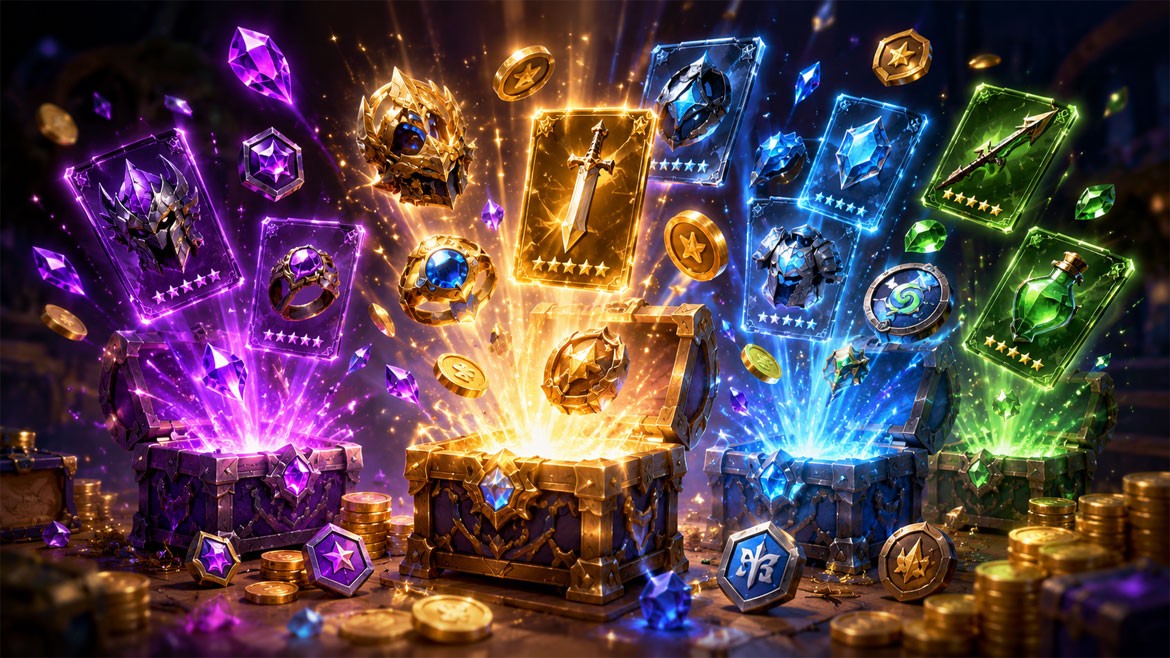 They are very similar, and the research keeps confirming it. Both of these games sell a random reward, making it look like you’re making progress.
Dr David Zendle at the University of York has spent years measuring this. In 2018, he surveyed 7,422 gamers and published the results in a journal called PLoS ONE. His survey found a clear link between how much money players spent on loot boxes and how severe their problem gambling was. The next year, he did the same survey again and got the same results. He says that loot boxes are a small part of a bigger connection between games and gambling. The slot didn’t reach across to copy gaming by accident. Games had already started to focus on slot machines, selling the idea that you could win big. The two met in the middle, and the middle is where your wallet lives.
We remember the first slot that gave us a quest map. It looked just like one of those games we’d played on our phones for months, with the bouncing level markers and all. The feeling it gave was the same: finish the row. The only new thing was the meter on the side, which was counting down a real balance. It’s the same map, but it costs more.
Which Slots Show This Most Clearly?
The story-and-progression titles, mostly. Crash games like Aviator strip it back to one decision, but the slots lean in hard on worlds, levels, and characters.
Providers built around bright, themed reels make the pattern easy to spot. Run through a catalogue of Habanero games and you’ll see the grammar repeat: a theme, a character, a progress meter, a bonus you “unlock” rather than simply trigger. None of it is hidden. That’s the point. It’s meant to feel like the games you already love, because familiarity is the cheapest way to make you stay.
How We Looked at This
The design and psychology claims are based on Natasha Dow Schüll’s Addiction by Design (Princeton University Press, 2012) and on B.F. Skinner’s 1953 work on variable-ratio reinforcement, the schedule that slot machines run on. The information about loot boxes comes from David Zendle and Paul Cairns’ research, which was published in PLoS ONE in 2018 and repeated in 2019. The goal-gradient effect is based on studies of people’s behaviour that began in the 1930s.
Every video game is built to end. The slot borrowed everything except that.
FAQ
Why do slot machines feel like video games now?
They copied video game progression elements, like level-up bars, unlockable worlds, story arcs, and bonus rounds that feel skill-based. The underlying spin is still random, but the outer layer is pure gaming.
Do slot bonus rounds actually involve skill?
It doesn’t really happen often. Deciding whether to pick a chest or press a button makes you feel in control, but the outcome is determined by a random number generator. The interaction is there to make you feel more involved, not to change your chances of winning.
What is the near-miss effect in slots?
It’s when the reels stop just short of a win, like when you have two jackpot symbols on the line and a third right above it. Your brain interprets it as almost winning, even though a random draw doesn’t have an “almost” in the outcome. It makes you want to keep playing.
Are loot boxes a form of gambling?
Researchers see a strong overlap. A 2018 University of York study of 7,422 gamers found that spending on loot boxes can lead to problem gambling. The UK has been discussing ways to regulate them as gambling. They sell random rewards, which are the main way to gamble.
What’s the problem with stopping a slot in the middle of a project?
The goal-gradient effect and loss aversion. The progress bar is almost full, which makes you want to keep going. Quitting feels like giving up something you’ve worked hard for, even though the progress isn’t really worth much.