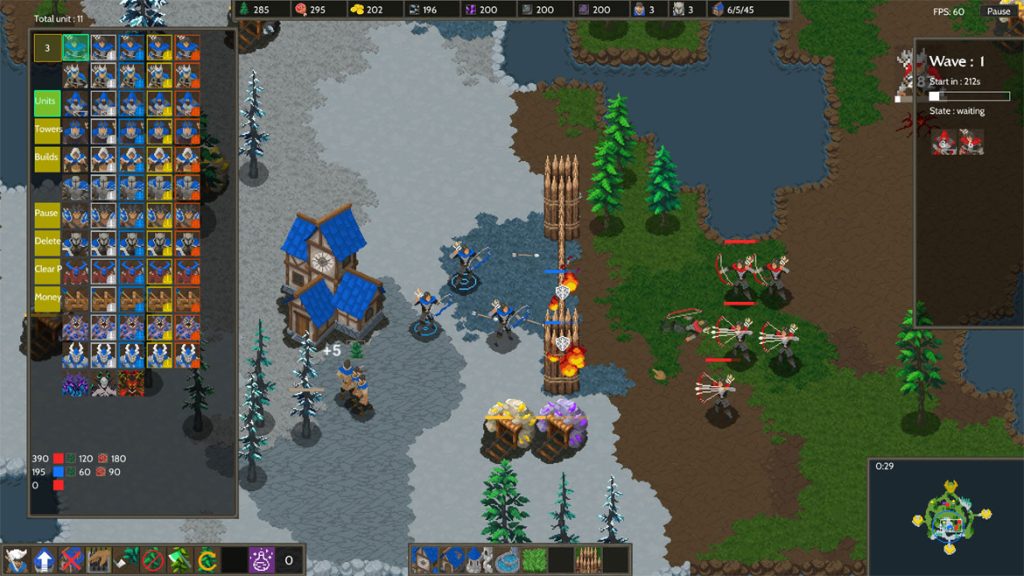


The modern gaming world is like using dating apps – which is somewhat in and of itself a game, but that’s another story. The point is, there’s a lot of choice available, most people have zero patience if the first impression isn’t great and the prettiest most attractive visuals aren’t always the best long term choice.
So what is the videogame developer equivalent of a pet photo, or a spruced up bio with some interesting questions? How do modern games best equip themselves to stand out on platforms full of competitors? Let alone all the other digital entertainment options on the market today. This is the three-pronged psychological attack at the point of discovery, trust and first impressions that shapes how players find new games in 2026.
Part One: Discovery and Browsing Design
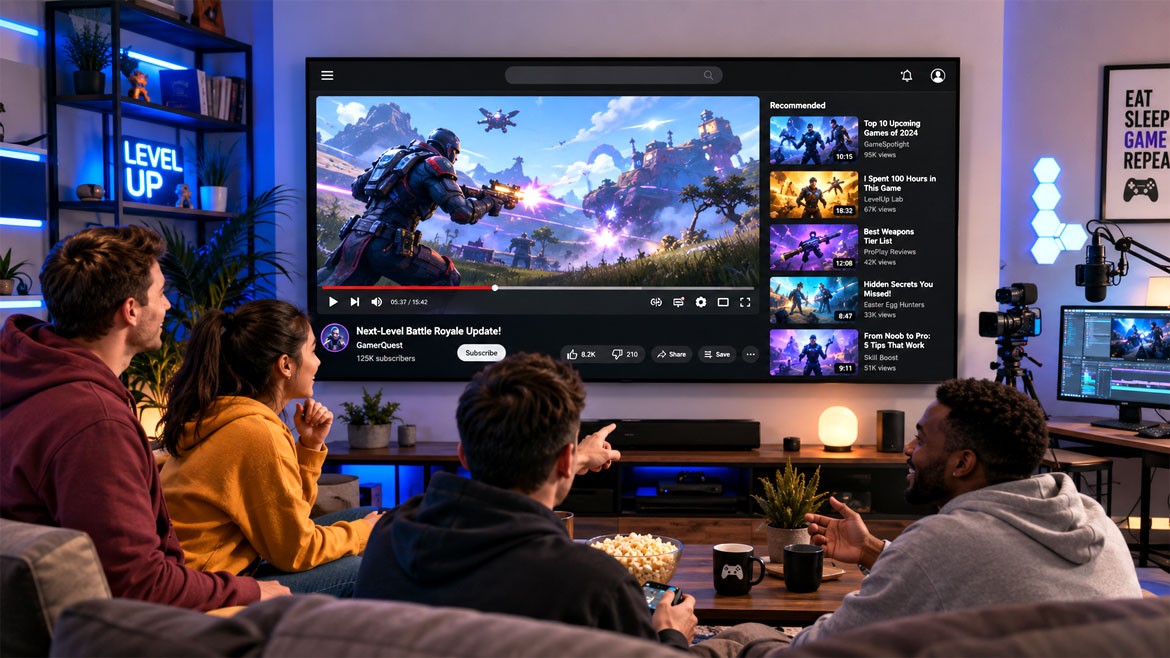 Unlike many entertainment sectors such music, streaming or TV, gamers generally do not rely on platforms for discovery. While the endless Netflix scroll is a common problem, not so many gamers spend hours scrolling Steam wondering what to buy. Primarily because they discover games through watching other people play them.
In today’s market, YouTube is the dominant discovery engine for gamers. According to research, more than 60% of US gamers discover their next game purchase through the video platform.
Online game ads are also a thing that works. After all – who hasn’t seen a Raid: Shadow Legends sponsorship, or, more recently, those AI game ads that look nothing like the actual game? These companies wouldn’t keep paying for ads if they didn’t get a return on the investment.
However, on the whole, gamers do not trust ads. Only 32% of US gamers surveyed in one poll said they trusted an online advert for a game purchase. That is compared to more than 50% who said they would trust YouTube.
The route to building a game that gets long-term discoverability and sales, after you stop pumping out ads, is through getting third-party, independent coverage on video platforms.
The Perfect Example of Casino Gambling Games
 Casino games take all of this and put it on steroids. The games are often precisely, mathematically designed for attention and then retention. However, the operators themselves face challenges at all points across the customer journey.
For example, onboarding checks can be extensive for age verification and other Know Your Customer reasons.. Depositing also adds an extra process before play can begin.
To counter this, operators build bonus offers that can help them stand out in the discovery phase. They use familiar designs, work with well-known payment platforms, and promote games through streamers and other internet personalities to build trust. Finally, they offer ongoing rewards that kick in quickly, to keep the first few minutes exciting.
For an example, consider Casino.org’s page about online casino options in New Zealand. Players use online resources like these to compare information on many of the same distinguishing features listed above. The complexity and depth of the comparative information demonstrates how involved players are in choosing the right option for them in a competitive market.
New Zealand is specifically an interesting case, as it is set to open up a locally regulated and licensed online gambling market to replace the international offshore options in place now.
This will mean all change for many operators, introducing taxes, new standards for games and other regulatory costs – which will affect the games that are on offer and how they are marketed. The new system is taking shape, but likely won’t fully open until early 2027 giving operators time to adjust.
Part Two: Commitment and Initial Impressions
 Gamers, like many consumers in other parts of the economy, are often driven by familiarity. In one survey 40% of gamers said they are often prompted to buy games of existing franchises or IPs they know or enjoy. Print magazine reviews are the least used discovery source, at around 5% of people surveyed. 25% say celebrity or influencer endorsements is a factor in which game they try next.
Another option for encouraging customers over the line to conversion is the safety net. Free games are easy to try with little cost. Demos and free trial weeks let players get into the game before committing to a purchase. In casino gaming, responsible gambling tools like deposit limits are like speed dating – allowing players to try the experience without risking their entire entertainment bankroll.
These features encourage trust among potential players, as they show developers are willing to let players try games without going all in.
Once committed to a game, like going on a date after some back and forth app chat, developers always put their best foot forward. For mobile games, an acceptable retention rate of first day downloads is around 40% – showing just how brutal the attention economy can be.
To this end developers like to stack their games full of bang within the first minutes. Whether it’s a slot game opening with its most impressive animation, or showing a preview of a big win, or a first-person shooter opening with a big action set piece – modern games need to get players excited within the first few minutes of play.