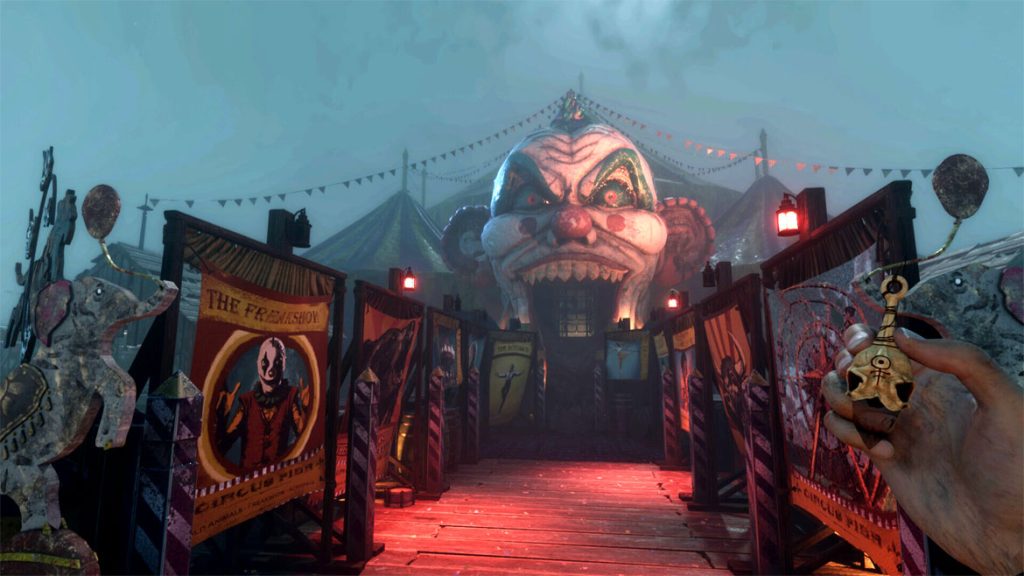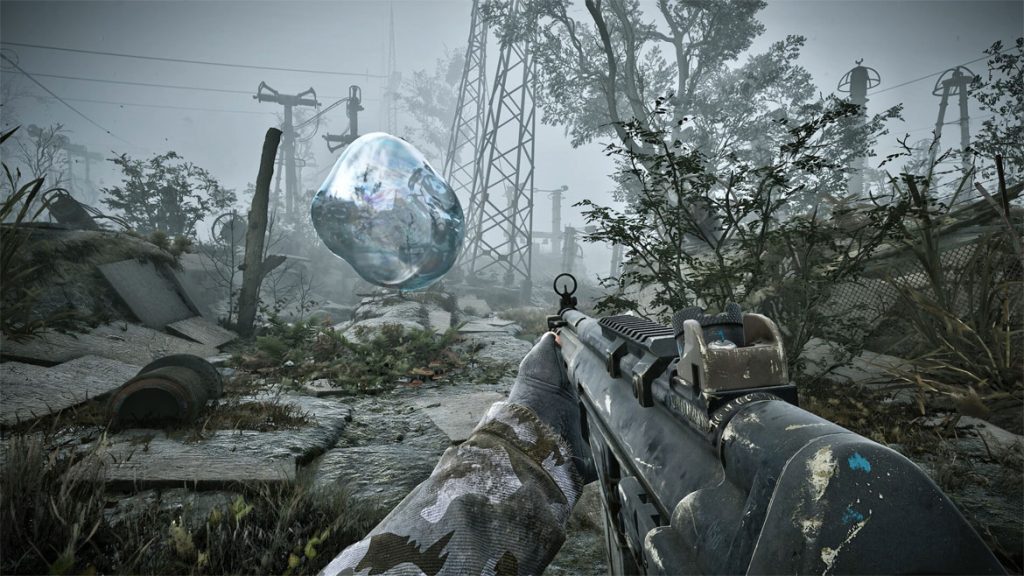


Gaming collectibles preserve more than fictional characters or attractive designs. They hold memories linked to favorite campaigns, shared victories, memorable releases, and hours spent learning a game’s ins and outs. Their value may come from craftsmanship, scarcity, historical relevance, or simple personal attachment. A well-chosen piece can also improve a room’s visual character without overwhelming it. For serious collectors, each purchase reflects careful judgment about meaning, condition, quality, storage, and long-term enjoyment.
Emotional Connection
Personal memory often gives a collectible its greatest significance. A figure might be memorabilia for a first campaign, a difficult mission, or evenings shared with friends. Call of Duty collectibles, for instance, can represent particular characters, battles, weapons, or storylines that shaped a player’s experience during a campaign. That connection gives physical form to an otherwise private memory. Over time, the item becomes more than decoration, because it reflects identity, loyalty, and years of enjoyment.
Character Recognition
Recognizable character design supports lasting appeal. A clear silhouette, distinctive clothing, signature equipment, or controlled facial expression allows viewers to identify a figure quickly. Good sculpting showcases personality without requiring explanation. Collectors often select pieces that capture a character’s role, attitude, or most memorable appearance. Accurate proportions and carefully placed details also help an item remain attractive after the initial excitement of a new purchase has faded.
Limited Availability
Scarcity can increase interest, especially when a release has a fixed production number or short sales period. Limited availability gives collectors a defined objective and may encourage them to buy early. Rarity, however, should not be confused with guaranteed profit. Demand still depends on character recognition, product quality, condition, and sustained fan interest. A limited item has stronger prospects when several of these factors support its appeal.
Visual Quality
A collectible must look convincing from both a distance and close range. Clean paint application, stable proportions, accurate color choices, and durable construction contribute to that impression. Small features, including fabric folds, insignia, facial details, and accessories, reward careful viewing. Display placement also matters. Balanced spacing, suitable lighting, and consistent arrangement can make separate pieces appear connected rather than scattered across an untidy shelf.
Material and Size
Format affects how a collection fits into daily life. Vinyl figures require modest shelf space and usually provide a strong visual focal point. Plush items introduce texture and softness, while pins and stickers suit desks, boards, bags, or compact displays. Larger products may command attention but require secure storage. Buyers should assess room dimensions, surface strength, cleaning needs, shipping risks, and available funds before choosing a preferred type.
Connection to Game History
 Some collectibles are more about the important stages in a franchise’s development. A machine, weapon, map, enemy, or uniform may recall a specific mechanic, storyline, or release period. Such references give collectibles documentary value, especially for long-term fans. The piece becomes a marker of changing design choices and player habits. Personal memories remain central, yet historical context can make an object relevant to collectors beyond its original entertainment purpose.
Community and Conversation
A recognizable display piece often creates an easy opening for discussion. Fans may compare favorite missions, characters, maps, soundtracks, or multiplayer experiences after noticing a familiar design. Collections can support friendships at conventions, hobby groups, and online communities. They also encourage exchanges about editions, storage methods, and display techniques.
Condition and Care
Physical condition influences appearance, longevity, and resale interest. Direct sunlight can fade pigments, while moisture may weaken packaging, adhesives, or fabric. Dust should be removed with soft materials that will not scratch painted surfaces. Original boxes offer protection during storage and transport, although some owners prefer open displays. Stable temperatures, limited handling, and secure shelves help preserve detail while reducing accidental damage.
Personal Meaning
A meaningful collection does not require every release or the costliest item. One carefully chosen figure may provide more satisfaction than a crowded shelf filled with unrelated purchases. Some collectors focus on a favorite character, title, era, color scheme, or format. Clear priorities improve spending decisions and create visual unity. Each addition should answer a simple question: does this piece contribute memory, beauty, history, or genuine personal interest?
Financial Expectations
Certain collectibles may appreciate, but future pricing remains uncertain. Demand can shift after new releases, changing character popularity, or altered fan preferences. Buyers should therefore purchase pieces they would still value without resale gains. Financial return may become a welcome outcome, but personal enjoyment provides a more dependable foundation.
Summing Up
Gaming collectibles earn their place through a combination of memory, craftsmanship, scarcity, historical meaning, and personal taste. A strong piece can symbolize a meaningful experience, represent a favored character, or provide visual structure within a carefully arranged display. Responsible collectors consider budget, storage, condition, and genuine interest before buying. The most satisfying collections are selective rather than excessive. Each object matters because it carries a story, reflects identity, or preserves an important part of gaming life.