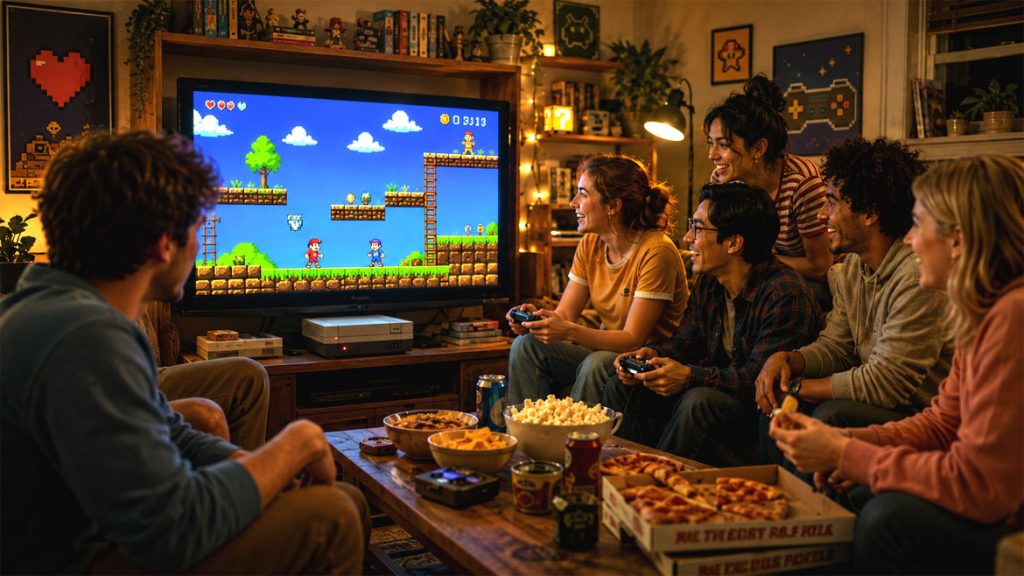

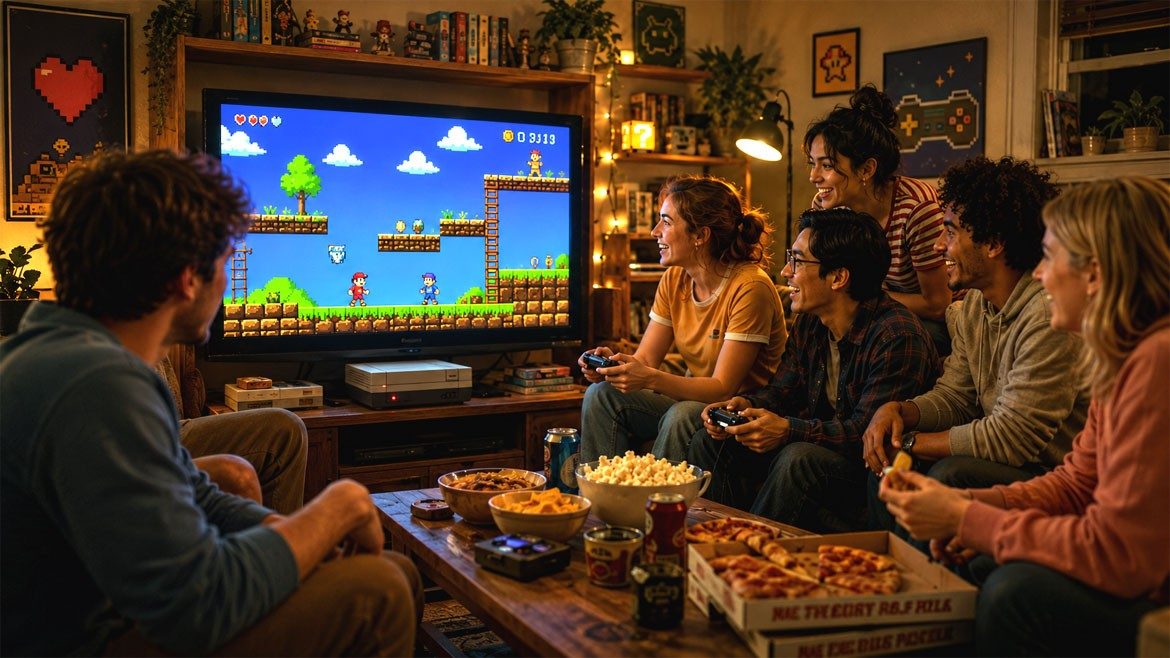
If you scroll through social media now, retro gaming is everywhere. What’s old is new. Consumers are turning to media from the 80s and 90s, and those old video games are taking center stage. Since COVID, we’ve seen a major surge in retro game prices and more collectors entering the market, making classic consoles and games more sought after than ever.
We spoke with Brandon Perton, owner of The Old School Game Vault, who has been buying and selling retro video games since 2008. Through his mail-in buying service and online store, he sees firsthand which games collectors are selling, and which games buyers want.
GiN: The retro game market is getting a lot of attention lately. What are you seeing?
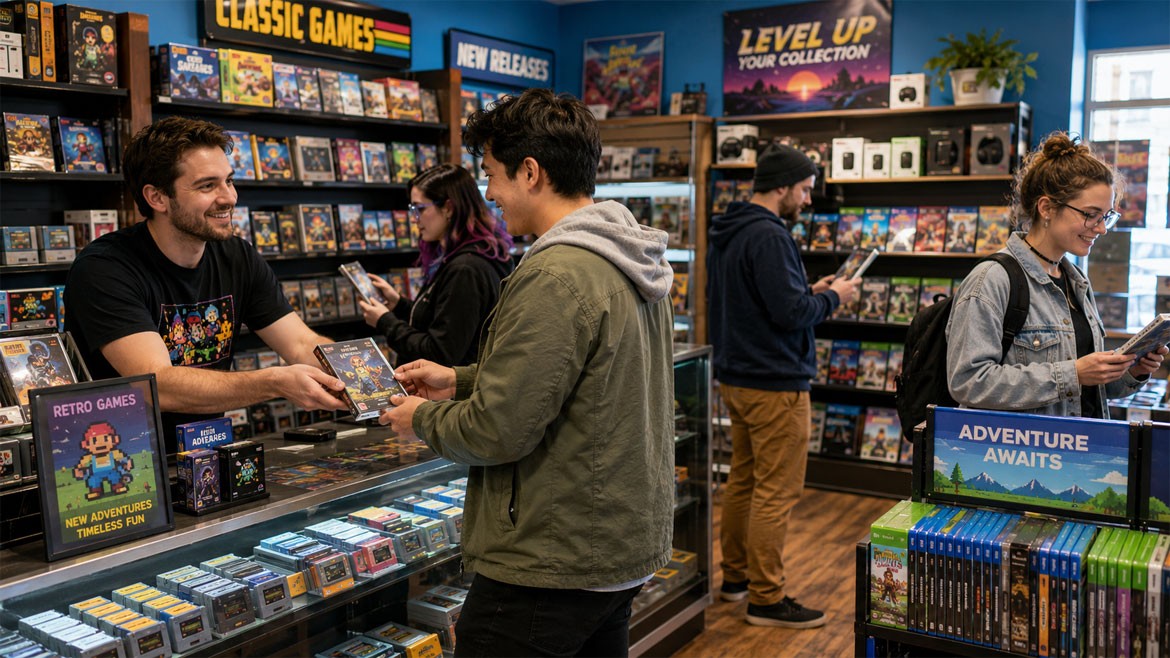 Brandon: Nintendo is leading the way for us, especially N64 and GameCube. When a large collection comes in, Nintendo games are usually the first to sell.
Super Smash Bros Melee, The Legend of Zelda: Ocarina of Time, and Mario Kart 64 remain popular, and Pokemon games consistently draw interest. Mario and Banjo-Kazooie also move well, along with RPGs like Fire Emblem, Skies of Arcadia Legends, and the Paper Mario Series.
GiN: Why is Nintendo so hot right now?
Brandon: People who grew up with N64 and GameCube are now adults with money to spend, and they want to revisit those games.
Physical ownership is part of the appeal as well. If I’m spending $70 on a game, I’d rather have an actual copy than a digital download. Plenty of collectors feel the same way.
Nintendo also keeps its franchises relevant. New Mario, Zelda, and Pokémon games introduce younger players to those characters while giving older players a reason to revisit the originals.
GiN: What’s not selling well?
Brandon: PS1 is the biggest surprise. Much of that inventory moves more slowly for us, although games like Final Fantasy, Castlevania: Symphony of the Night, Suikoden II, Silent Hill, and Resident Evil still attract buyers.
Some early 3D graphics haven’t aged well, and I think remakes and remasters give casual players less reason to seek out the originals. Dedicated collectors still want games like Koudelka, Elemental Gearbolt, and Revelations: Persona.
Sega Genesis also moves more slowly than Nintendo. Sonic the Hedgehog, Streets of Rage, Michael Jackson’s Moonwalker, and Mortal Kombat sell reasonably well, but demand becomes more specialized beyond the well-known titles.
Condition matters a great deal with Genesis collectors. Many want complete copies including the original box and manual, and copies missing those pieces can sit on our shelves much longer.
GiN: You mentioned bigger collections coming in. What does that tell you?
 Brandon: I’m seeing more people part with collections they’ve held onto for years. For some, money is tight, and selling games is a practical way to free up cash.
For buyers, that means more inventory to choose from. Collectors can be selective about condition and price instead of jumping on the first copy they find.
GiN: What’s the most overhyped thing in the market right now?
Brandon: Sega Saturn, in my experience. Some owners see one unusually high sale and assume their whole collection has jumped in value.
There are genuinely rare and valuable Saturn games, but one outlier doesn’t establish the market. Look at several recent completed sales for the same game, region, and condition before deciding what your copy is worth.
GiN: You’ve looked at thousands of cartridges. What do most people miss when trying to spot a fake?
Brandon: First, learn what counterfeits look like for the platform you’re collecting. People often want a quick answer, but spending an hour comparing authentic and fake copies can save you an expensive mistake.
Nintendo DS games are a good example. Label printing, cartridge markings, and visible board details can all provide clues. Certain Pokémon games use translucent infrared cartridges, but shining a flashlight through the shell isn’t enough to prove authenticity. Counterfeit shells can imitate that feature.
Second, inspect the board when the cartridge is designed to open with screws. An inexpensive gamebit screwdriver set is useful for many older Nintendo cartridges, though some games need a different bit. Compare the board with a verified authentic example of that specific game.
DS cartridges are different, so don’t force those open; you can damage the shell. The key is knowing how to check the game you’re buying rather than relying on one universal trick.
GiN: Any suggestions for someone just getting into collecting?
Brandon: Buy games you want to play or games you loved as a kid. For me, nostalgia is the biggest factor. Owning a complete-in-box copy of Tecmo Bowl brings back memories of the one I had growing up.
Don’t buy something just because you think it will increase in value. Learn your platform, understand condition, and get comfortable spotting counterfeits rather than chasing every YouTube trend.
Knowing what you’re buying will save you more money than any price guide.