
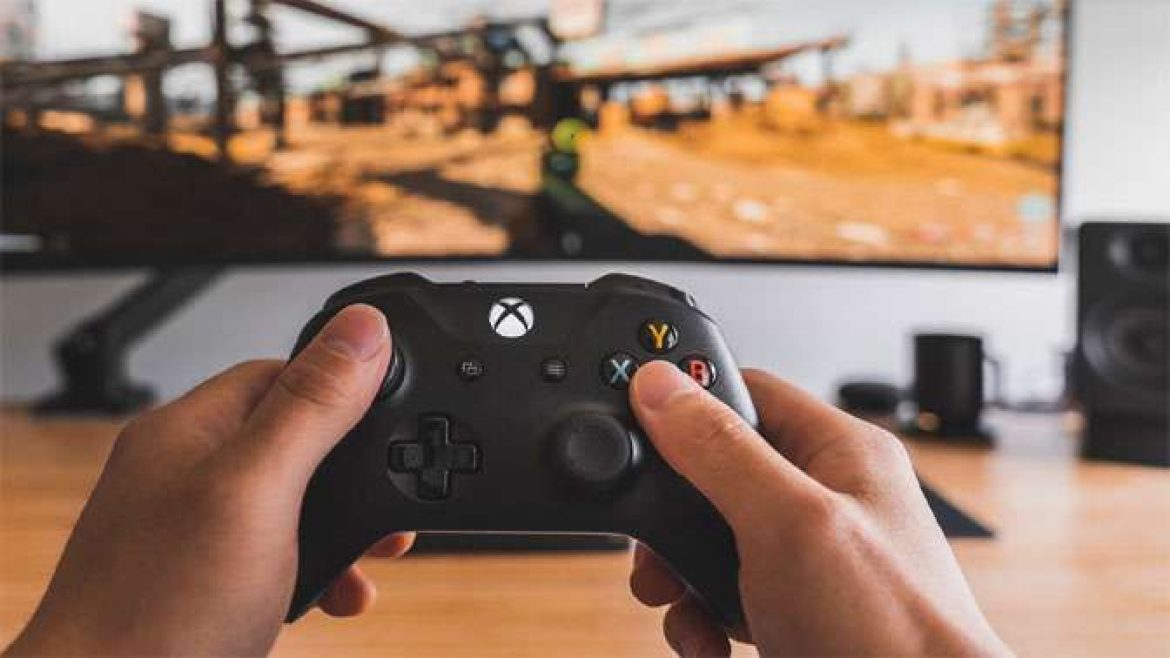
The online gaming landscape continues to change. Its development is being influenced by three key aspects: technology, player habits, and entertainment preferences.
Modern audiences expect faster, more accessible gaming experiences. That’s why developers are constantly adapting to meet these expectations through everything from new game formats to mobile optimization. As competition across the industry grows, numerous trends are shaping how online gaming platforms attract and retain players.
This guide explores those current trends.
Mobile Gaming Continues to Dominate
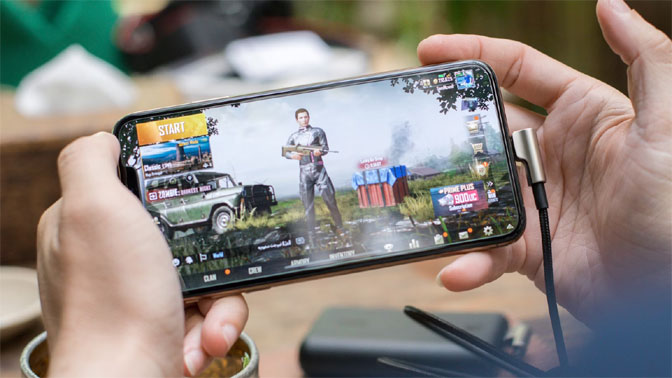 The continued rise of mobile play. This remains one of the biggest trends in online gaming. Smartphones and tablets have made gaming more accessible than ever for one reason: players no longer need dedicated hardware like a console or PC to start playing.
With mobile in mind, many modern games are built for shorter sessions rather than extended playtimes. Quick load speeds and simplified interfaces allow users to jump in and out of games throughout the day. This change in design has influenced everything from casual puzzle games to competitive multiplayer titles.
Shorter Game Sessions Are Becoming More Popular
Player behavior has changed significantly in recent years. As mentioned already, a growing number prefer shorter, faster-paced gaming experiences. Forget about devoting hours at a time to lengthy sessions. Players increasingly seek entertainment that fits naturally into small breaks during the day.
This trend is especially visible with digital casino platforms. As seen at Lonkero Kasino online, crash games have become increasingly popular because they deliver quick rounds built around rising tension and fast decisions. These games typically last only a few moments, with players selecting when to cash out before the multiplier crashes. Even slots and classic table games support shorter sessions.
Live Features Are an Engagement Booster
 Live content has received the spotlight in the gaming industry. From multiplayer events to livestream integrations, these live features are creating more social, immersive experiences for players.
Due to this, a growing number of users expect entertainment to feel interactive rather than passive. Live chats, real-time competitions, and community-based features all of these push players to remain engaged for longer. Don’t underestimate how streaming platforms have also strengthened the connection between gaming and social interaction.
Ultimately, it’s a trend that has blurred the lines between gaming, entertainment, and online communities.
Cross-Platform Accessibility Is Essential
Unless it’s a console exclusive, modern players expect to access games seamlessly across multiple devices. That’s where cross-platform accessibility enters the equation. This support allows users to continue their progress between different devices without interruption.
This flexibility has become a major competitive advantage for developers. That’s because audiences increasingly value convenience and accessibility. Cloud gaming services are also seeing hardware limitations being reduced. These services allow players to stream games directly through internet connections.
Personalization Is Shaping the Future
Within online gaming, increasingly important aspects are personalized recommendations and adaptive systems. Powerful algorithms are used to deliver specific content based on player behavior and preferences.
This creates experiences that feel more relevant to individual users. Instead of browsing endlessly, players are guided toward games and features that match their interests and habits.