

The connection between professional sports and video games has become stronger as football simulators continue to attract players worldwide. In Egypt, where football has a particularly passionate following, titles such as EA Sports FC and eFootball allow fans to experience their favorite teams and players in an interactive environment. Mohamed Salah is among the most recognizable Egyptian athletes represented in football gaming, while competitive online matches have created new opportunities for players to test their skills beyond traditional sports.
For gaming enthusiasts who also follow real-world competitions, the RolsBet sports betting line provides access to sports betting markets in supported locations. Yet the relationship between sports and gaming extends far beyond betting. Virtual football encourages players to understand formations, evaluate individual attributes, and experiment with strategies inspired by professional matches. This combination of sporting knowledge and interactive entertainment has helped football games establish a lasting place in gaming culture.
Why Football Video Games Appeal to Egyptian Players
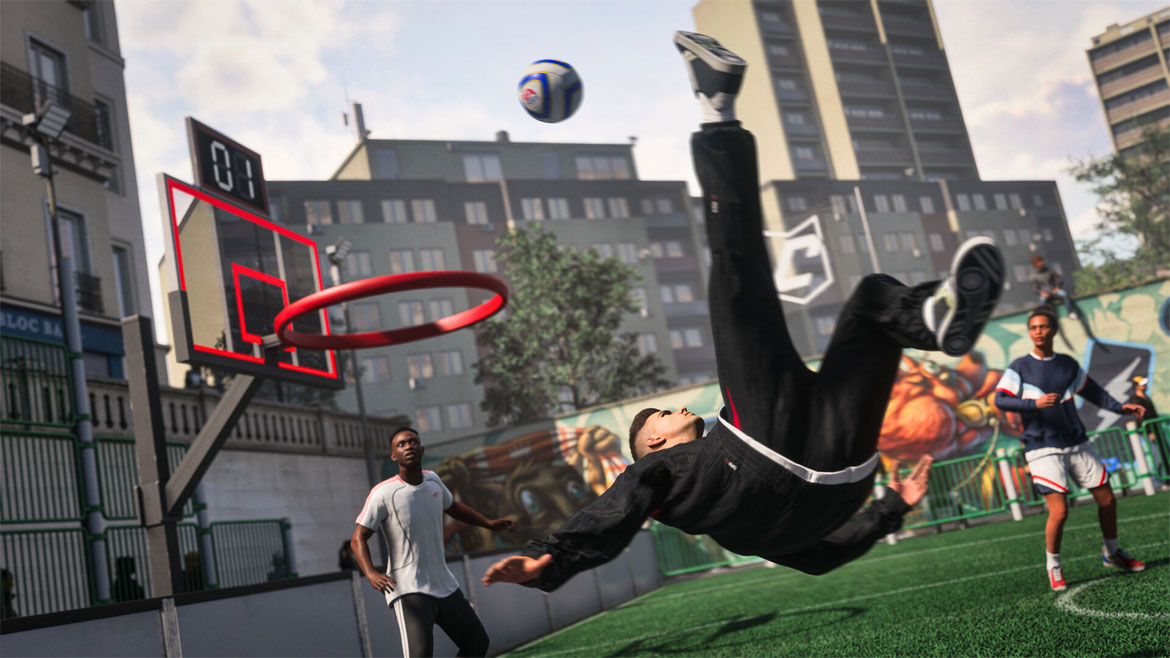 Football games offer an accessible way to engage with the sport without requiring a full team or physical playing field. Whether competing against friends locally or challenging opponents online, players can recreate famous matchups and explore different tactical approaches. Games like EA Sports FC and eFootball feature recognizable clubs, licensed players, and gameplay systems designed to reflect aspects of professional football.
Mohamed Salah’s presence in football video games is especially meaningful for Egyptian fans. His pace, attacking movement, and finishing ability make him an appealing choice for players building competitive squads. Meanwhile, the growing availability of online gaming communities gives Egyptian players opportunities to share tactics, discuss player ratings, and participate in virtual competitions with opponents from other countries.
The crossover between sports audiences and gaming communities is also visible in how people follow football. Some fans analyze professional matches through platforms such as RolsBet football, while others recreate similar situations in football simulators. Although virtual match outcomes are determined by game mechanics and player inputs rather than real-world results, both activities encourage an interest in team selection, performance analysis, and tactical decision-making.
How EA Sports FC and eFootball Bring Real Football Into Gaming
Modern football simulators aim to reproduce many of the strategic elements associated with professional matches. Player movement, passing accuracy, defensive positioning, and team formations all influence the experience. These features give gamers considerable control over how their teams approach different opponents.
EA Sports FC emphasizes squad development, tactical customization, and several ways to compete online or against computer-controlled teams. Its Ultimate Team mode allows players to assemble squads using footballers from different clubs and leagues.
eFootball offers another approach to digital football through its emphasis on responsive gameplay, team building, and online competition. Although both series share the same sport, their control systems, progression models, and gameplay characteristics create different experiences.
| Feature | EA Sports FC | eFootball |
| Main focus | Football simulation and multiple game modes | Football simulation and team development |
| Team building | Ultimate Team and other squad options | Dream Team |
| Competitive play | Online matches and ranked competition | Online matches and competitive events |
| Tactical elements | Formations, player roles, and team instructions | Playstyles, formations, and player instructions |
| Player appeal | Broad selection of football experiences | Accessible entry and tactical experimentation |
Neither game perfectly reproduces professional football, but both provide an engaging interpretation of the sport. Success depends on understanding each title’s mechanics rather than relying solely on the real-world reputation of a particular player.
Mohamed Salah and the Influence of Sports Stars on Gaming
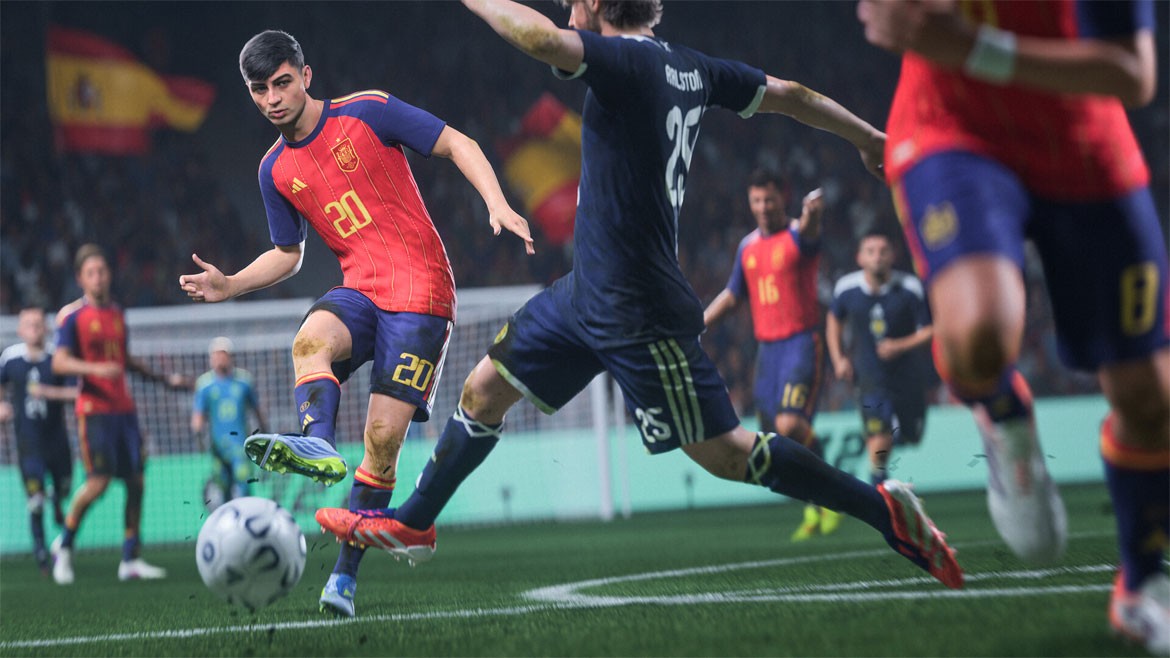 Famous athletes play an important role in the popularity of sports video games. Their recognizable identities give fans a reason to try specific teams, experiment with different lineups, and engage with digital recreations of professional competitions.
For Egyptian football supporters, Mohamed Salah represents a connection between local sporting identity and international football culture. His performances at the highest levels of European football have made him a familiar figure to audiences far beyond Egypt.
In football simulators, players associated with speed, technical ability, and attacking creativity frequently become popular squad selections. However, a successful virtual team requires more than one outstanding footballer.
Several factors influence how effectively gamers use attacking players:
- Movement and positioning: Finding space behind defenders creates opportunities for dangerous attacks.
- Passing combinations: Quick exchanges can break down organized defensive formations.
- Stamina management: Maintaining effectiveness throughout a match requires careful use of sprinting.
- Finishing decisions: Choosing the right shooting angle can be more important than attempting powerful shots.
- Tactical flexibility: Adjusting formations helps counter different playing styles.
These principles connect virtual football with the tactical thinking used in professional sports, even though their implementation depends on the mechanics of each game.
The Growing Importance of Competitive Football Gaming
Competitive gaming has developed into an important part of the wider video game industry. While titles such as Counter-Strike 2, League of Legends, and VALORANT receive considerable esports attention, football simulators maintain their own competitive communities.
Organized football gaming competitions give participants opportunities to demonstrate technical skill, tactical knowledge, and consistency under pressure. Players must react quickly, anticipate opponents’ movements, and make effective decisions within a limited amount of time.
Online tournaments also remove some of the geographical barriers associated with traditional sports. A player in Cairo can compete with opponents from other cities or countries without traveling to a physical stadium.
This accessibility is particularly relevant for communities seeking affordable ways to participate in organized competition. However, reliable internet connectivity, suitable hardware, and access to tournaments remain important considerations.
What Separates Casual Players From Competitive Gamers?
The difference between casual and competitive football gaming is not simply the amount of time spent playing. Experienced competitors often develop a structured understanding of game mechanics and focus on improving specific aspects of their performance.
For example, casual players may select their favorite real-world clubs and rely heavily on star footballers. Competitive players are more likely to examine team balance, defensive organization, and the effectiveness of different formations against particular opponents.
Several habits can support improvement:
- Practice defensive positioning. Avoid unnecessary tackles and learn to close passing lanes.
- Understand formations. Experiment with different setups to identify strengths and weaknesses.
- Review unsuccessful matches. Identify recurring mistakes rather than attributing every defeat to luck.
- Learn advanced controls. Become comfortable with passing combinations, player switching, and finishing techniques.
- Adapt to opponents. Change tactics when a preferred attacking approach stops producing chances.
These skills are relevant across many competitive games. Successful esports competitors often combine mechanical ability with preparation, adaptability, and emotional control.
How Sports Gaming Builds Communities Beyond the Screen
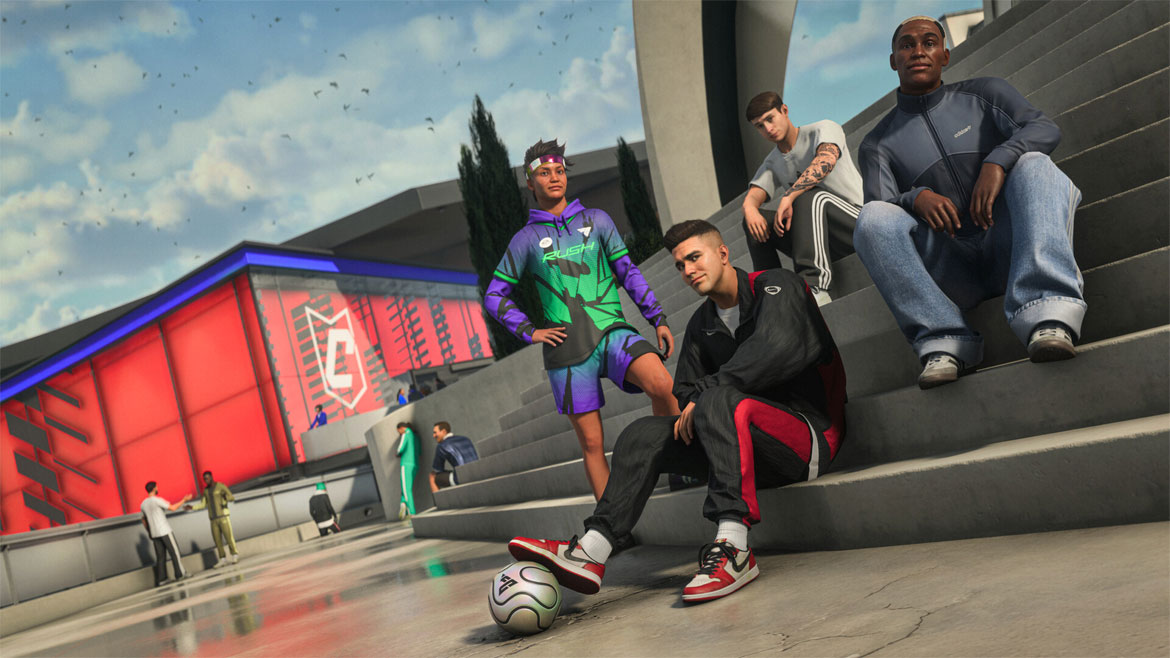 Football video games are not only about individual performance. They also support communities built around shared interests, friendly competition, and discussions about professional sports.
Players exchange tutorials, debate footballer ratings, organize local competitions, and share gameplay highlights across streaming services and social platforms. Content creators contribute to this environment by demonstrating tactical systems, reviewing game updates, and explaining new gameplay features.
In countries such as Egypt, where football already holds a strong cultural position, sports gaming offers another way for younger audiences to participate in that enthusiasm. It also introduces players to broader gaming communities and competitive formats that may eventually encourage interest in other esports titles.
The influence works in both directions. Professional football inspires video game content, while digital gaming can deepen fans’ understanding of formations, player roles, and tactical decisions.
The Future of Football Gaming in Egypt
Football simulation games will continue evolving as developers refine animations, online systems, artificial intelligence, and team-building features. Improvements in internet infrastructure and access to gaming platforms could also help more players take part in online competitions.
For Egyptian audiences, the appeal lies in the combination of a familiar sport and an interactive experience. Figures such as Mohamed Salah provide an immediate connection to real-world football, while games like EA Sports FC and eFootball transform that interest into opportunities for competition, creativity, and community participation.
Ultimately, the strongest connection between football and gaming is the shared enjoyment of strategy and skill. Whether someone is watching a professional match, building a virtual squad, or competing in an online tournament, the excitement comes from making decisions and seeing how they influence the result.