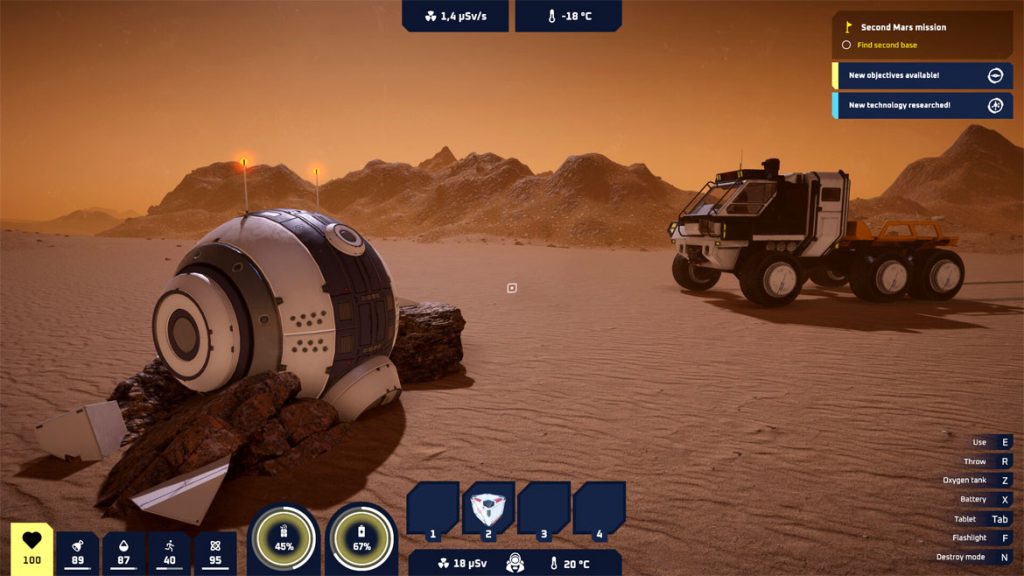


Hello everyone. It’s me, John Breeden, temporarily piloting Fresh Look. I’m honored to be filling in for columnist Neal Sayatovich this week, which gives me the opportunity to talk with you all about something that has been on my mind following two recent game reviews. Specifically, I’ve been thinking about how nice it is when developers give their players something new, something substantial and something that doesn’t cost them a dime. And I suspect that last one would get Neal’s seal of approval, as well as the adoration of many fellow gamers.
I’m talking about free updates, of course. And not the usual little patches that fix a few bugs or adjust the balance of some weapons. I’m talking about major upgrades that can meaningfully improve how a game looks, plays and feels. I recently experienced two excellent examples of this with S.T.A.L.K.E.R. 2: Heart of Chornobyl and the Metro Redux games.
Both series are post-apocalyptic adventures developed by Ukrainian studios, and both of those recently received impressive upgrades completely free for existing owners. The circumstances were different, but the end result was the same. Players got something valuable without having to open their wallets.
A Better Zone for Everyone
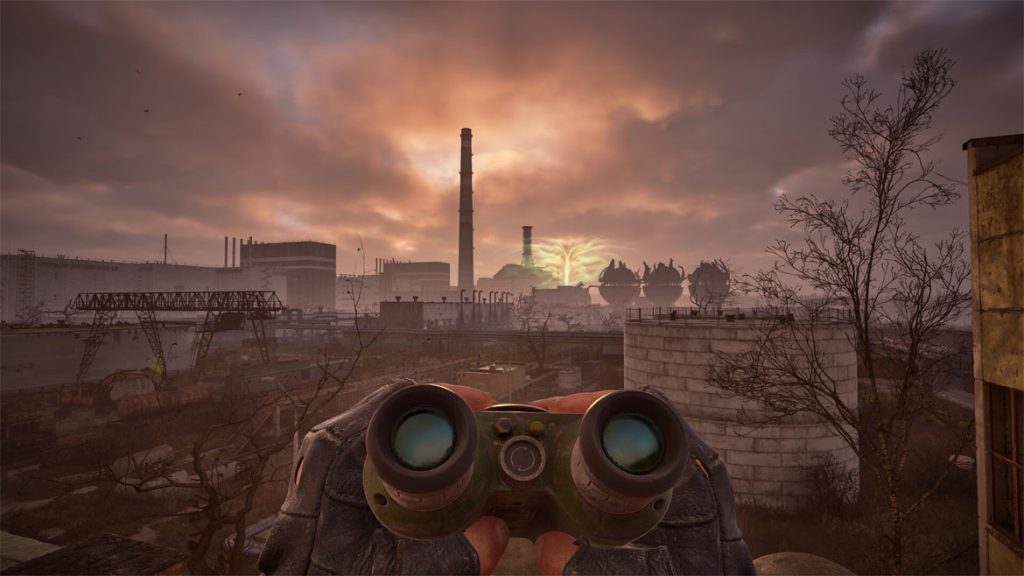
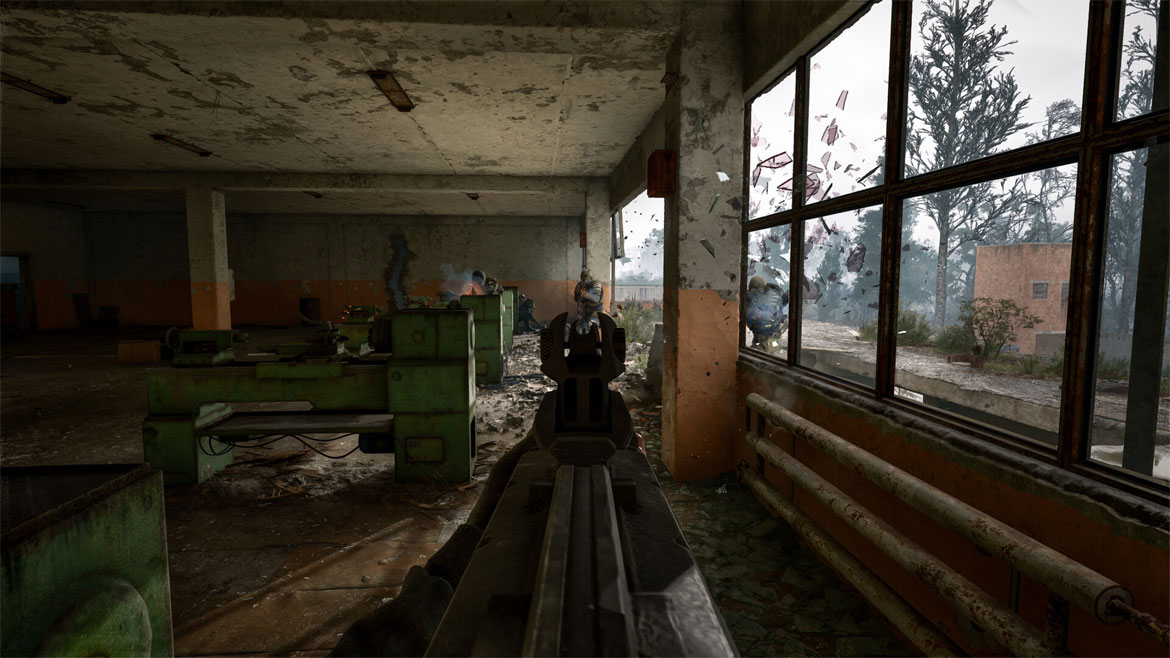
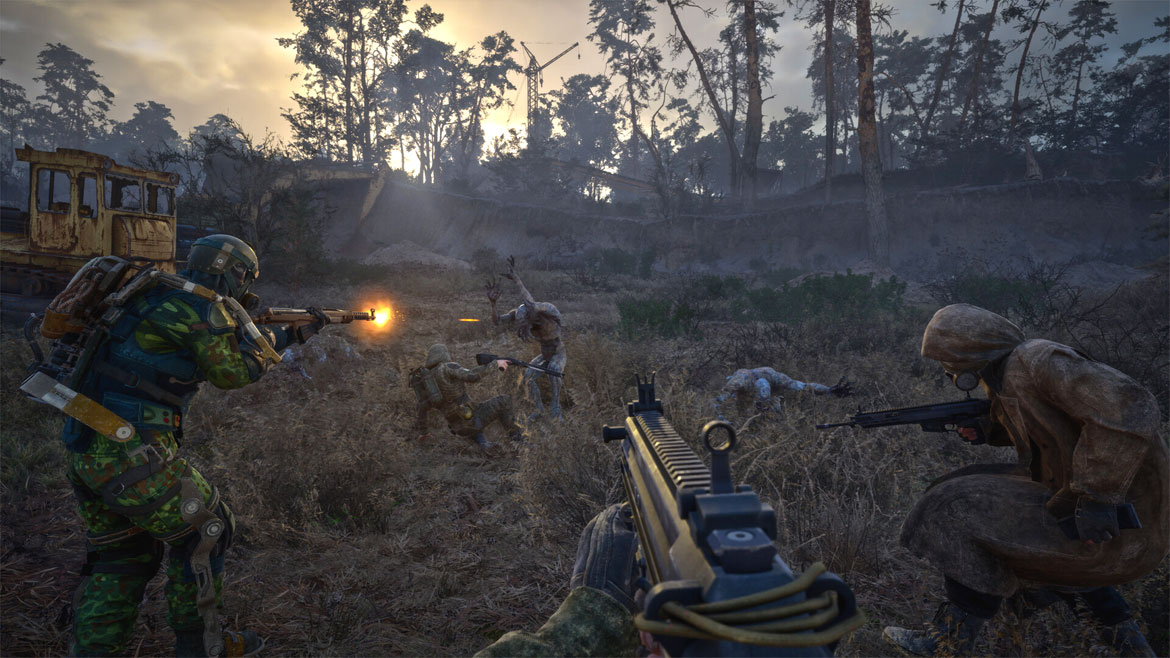
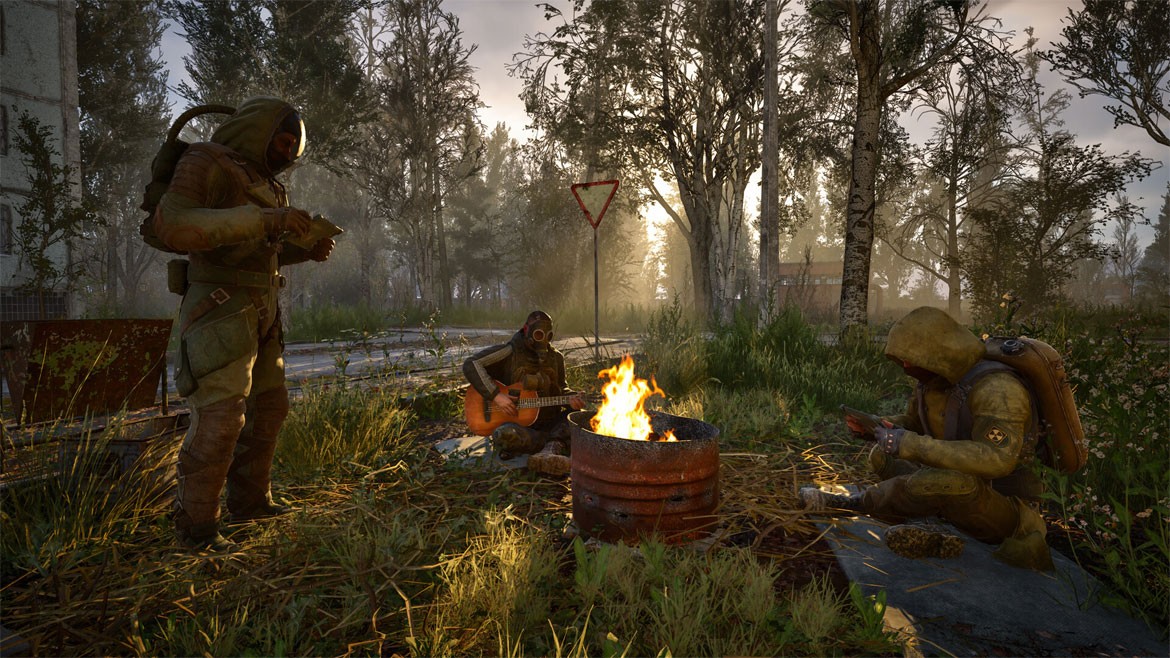 The first example is S.T.A.L.K.E.R. 2: Heart of Chornobyl, which received its massive 2.0 update in August. As I explained in my review, this wasn’t simply a collection of minor fixes. Developer GSC Game World upgraded the title’s underlying Unreal Engine, improved the graphics and lighting, refined enemy and NPC behavior, added weapons and equipment and also introduced new gameplay options.
The developers made hundreds of bug fixes, which helped address some of the rough edges that had been present since the game’s launch. I was especially impressed with the performance improvements once I got my graphics settings adjusted properly. The Zone looked better, combat felt smoother and the world seemed more alive.
 Now, there’s an argument that developers should fix problems in their games without charging customers. I agree with that. If someone purchases a title and it doesn’t work properly, making it function as advertised shouldn’t earn the developer a medal.
But GSC went further. The update included enough improvements and additional features to make returning to the Zone feel like a new experience. And although it arrived alongside the paid Cost of Hope expansion, everyone who owned that base game received the 2.0 improvements, whether they purchased the DLC or not.
That’s a pretty good way to treat your fans.
Riding on The Metro Again
 My second example is even more interesting because it involves games that are considerably older.
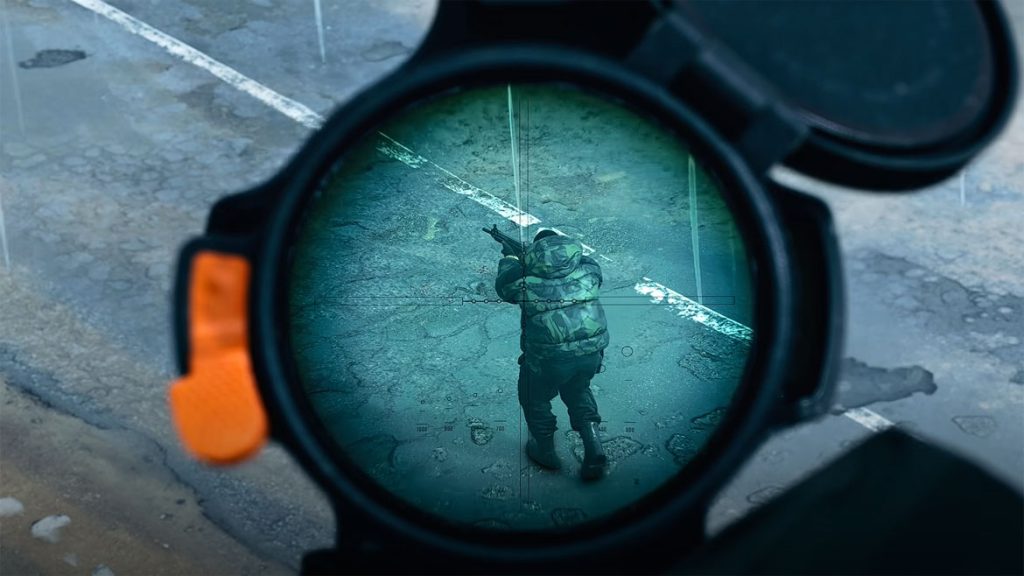
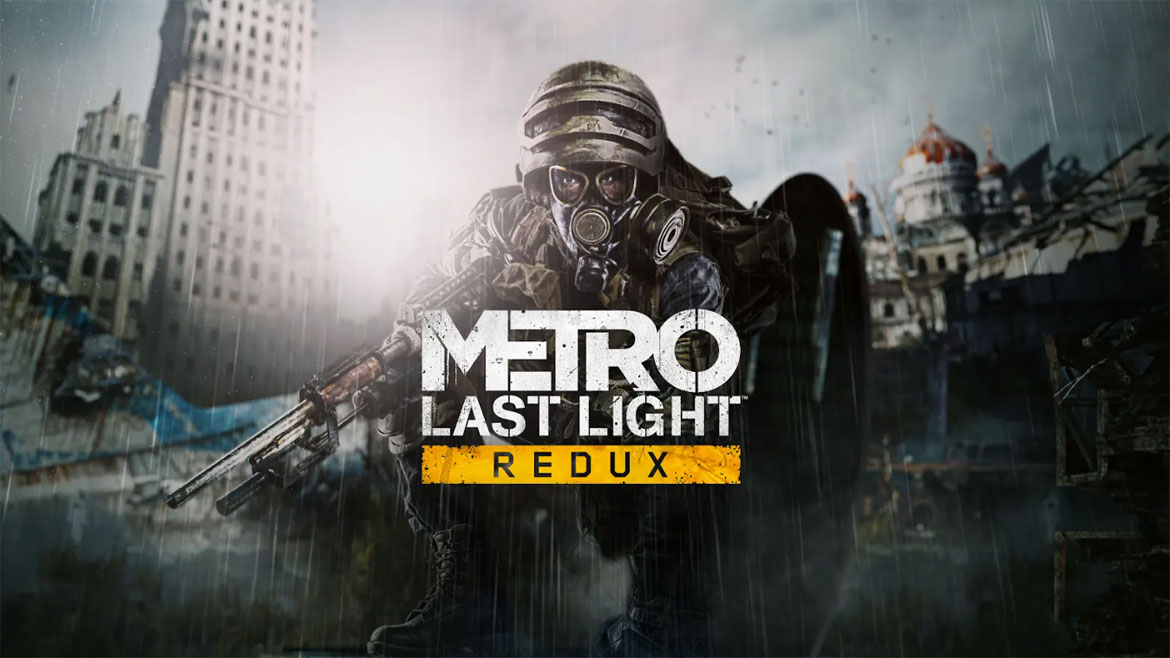
Developer 4A Games recently released free next-generation upgrades for Metro 2033 Redux and Metro: Last Light Redux. These titles were originally released more than a decade ago, and while both were still excellent adventures, their age was becoming increasingly apparent.
I spent quite a bit of time testing the upgraded versions, particularly Last Light, and comparing them with the older releases. The improvements were impressive, especially in the lighting, textures and overall performance. Exploring those dark underground tunnels felt more atmospheric than ever, and the smoother combat made fighting off hordes of mutants noticeably more enjoyable.
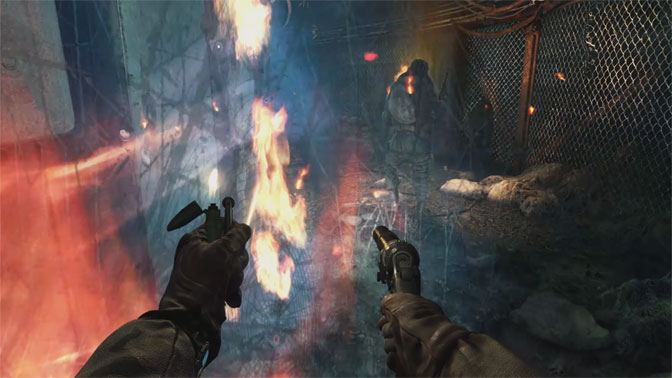 The developers didn’t completely rebuild those titles, and there are still some older graphical elements that show their age. But the upgrades made two already excellent adventures considerably more enjoyable to play on modern hardware. And again, like with the Stalker series, most existing owners received these improvements free of charge.
Of course, there is a business reason at least partially behind this decision. The next one in the series, Metro 2039, is scheduled for release in February, and encouraging people to revisit the earlier adventures is a smart way to generate excitement for the upcoming title.
But here’s the thing: I don’t mind that at all. If a developer wants to promote its next game by making its older ones better, that seems like a pretty wonderful arrangement for everyone involved.
Goodwill Is Worth Something
 I’m not suggesting that developers should give everything away. Creating games is expensive, maintaining them costs money and the people doing that work deserve to be paid. I have no objection to purchasing a substantial expansion or DLC when it adds enough new material to justify the price. But I also think there’s something to be said for occasionally giving players a little extra value without attaching a price tag.
Players remember that kind of treatment. When a company continues supporting a title long after its release, it sends a message that the relationship doesn’t necessarily end when the initial sale is complete. And when those improvements are substantial, they can encourage players to return, recommend it to their friends or take another look at what the developer is working on next.
There are plenty of ways for game companies to make money, and I certainly don’t begrudge them that. But goodwill is valuable too, even if it doesn’t appear as a line item on a quarterly earnings report.
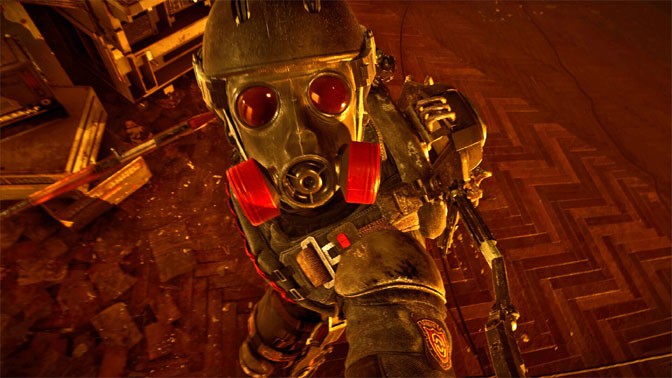 I already admired both the S.T.A.L.K.E.R. and Metro franchises before these updates arrived. Now I have another reason to appreciate the studios behind them. They invested time and resources into improving titles I already owned, and I got to enjoy the results without paying anything extra.
I think that’s worth celebrating.
And if these updates encourage more developers to occasionally surprise their players with something substantial for free, well, that’s a trend I’d be very happy to see continue.