

Game streaming platforms have grown exponentially over the past decade, and they now attract tens of millions of users worldwide every day. What started as a niche corner of the internet (gamers broadcasting to a handful of viewers) has become a multi-billion-dollar industry with audiences that rival traditional television.
New platforms emerge constantly, each trying to get closer to what viewers actually want: better quality, fairer creator payouts, tighter communities, and content that feels genuine. For example, a new alternative to Twitch and Kick, specifically dedicated to gaming streams, casinostreamers.com, has really taken casino gaming to a new level. Instead of leaving audiences to dig through Twitch or Kick to find their favorite slot or live casino streamer, it centralizes everything and ranks streamers based on community votes rather than algorithms, making discovery feel honest and earned.
Still, in the broader game streaming race, three platforms define it: Twitch, Kick, and YouTube Gaming. None of them has a stranglehold on the market, and that tension makes this one of the most interesting competitive landscapes in tech right now.
The Market Is Bigger Than Ever, but Nobody Owns It
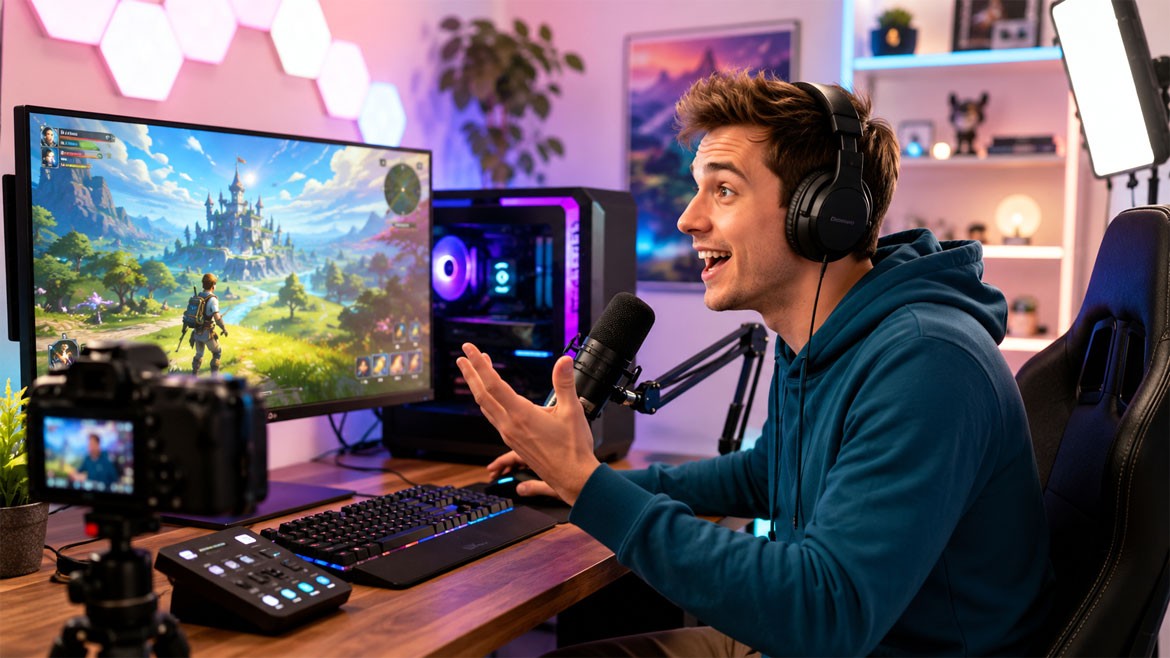 The numbers coming out of 2025 and into 2026 are staggering. Global live streaming hit record quarterly watch hours in Q2 2026, driven largely by major events like the FIFA World Cup, which pulled massive audiences onto streaming platforms.
Gaming specifically accounted for billions of those hours, with Twitch, Kick, and YouTube Gaming each holding a meaningful slice. The remarkable thing is that despite all this growth, no single platform has decisively broken away from the pack.
Twitch held around 54% of gaming-specific hours watched as of mid-2025, but that number has been shrinking steadily from a peak of over 70% just a few years earlier. YouTube Gaming recorded 8.8 billion gaming hours in 2025, up 12% year over year. Kick, the newest of the three major players, grew its hours by 131% in the same period, crossing 4.5 billion hours watched. Three platforms, three very different stories, all competing for the same core audience.
Twitch: Still the Default, but Losing Ground
Twitch built the live gaming category essentially from scratch, and it still carries more gaming-focused watch time than any other platform. Around 240 million people use it monthly, with roughly 35 million logging on daily. For dedicated gaming content, nothing else comes close in sheer scale. For esports events, creator tournaments, and major game launches, Twitch remains the natural home for it all.
However, top streamers who once stayed exclusive are now spreading their audiences across YouTube and Kick. Twitch is still the biggest player in gaming streams, but it is no longer the obvious only choice.
Kick: The Challenger Built on Better Economics
Kick launched with a single compelling argument: creators should keep more of what they earn. Its 95/5 subscription split means a streamer gets back nearly 95 cents of every dollar subscribers pay, compared to around 50 cents on Twitch’s standard deal.
For anyone building a streaming career, that difference compounds fast. It brought serious creators over quickly, and the platform has grown aggressively since day one.
By April 2026, Kick crossed 100 million registered users, a milestone that would have seemed impossible just two years earlier. Its content mix leans toward gambling and casino streams, slots especially. Kick’s rise has forced every other platform to take creator economics far more seriously.
YouTube Gaming: The Sleeping Giant with Infinite Reach
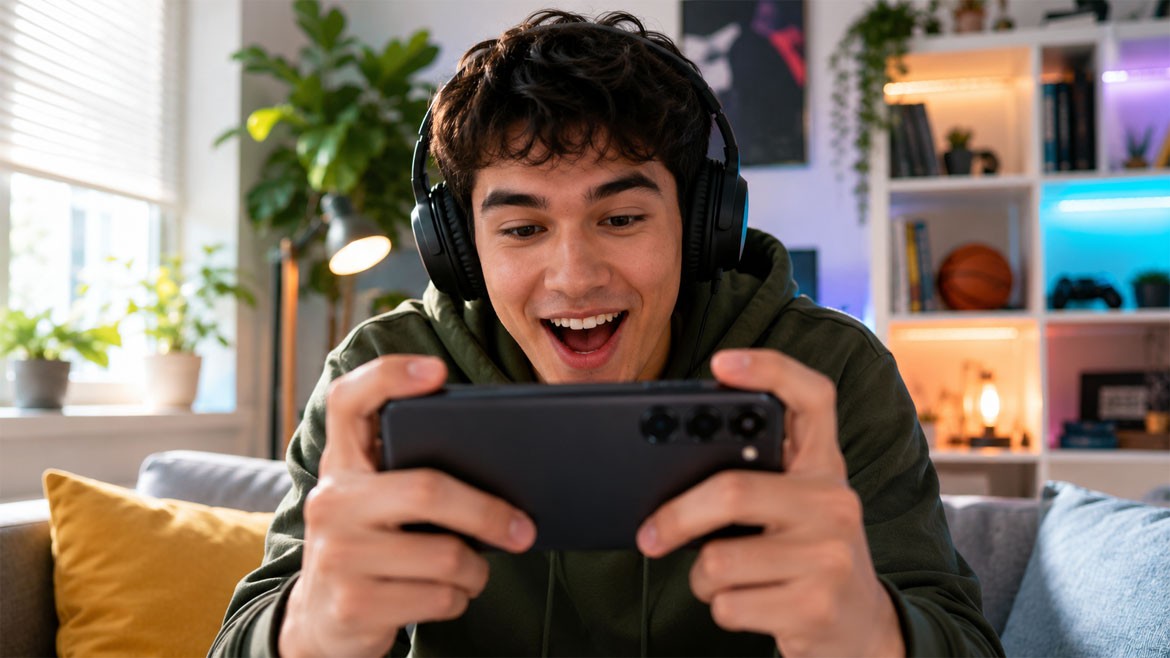 YouTube Gaming benefits from something Twitch and Kick cannot replicate: it lives inside the largest video platform on earth.
With over two billion monthly logged-in users across all of YouTube, gaming content on the platform gets surfaced through recommendation systems refined over years. A live stream doesn’t disappear the moment it ends; it becomes a VOD that keeps getting watched and recommended for months.
Its global reach is especially strong in mobile-heavy markets across Southeast Asia and Latin America, where titles like Mobile Legends and Free Fire dominate viewing hours. These are massive audiences that Twitch has historically struggled to reach.
YouTube Gaming hit a record 8.8 billion gaming hours in 2025 and continues to grow steadily, without making the kind of aggressive moves that generate headlines. It wins quietly, through scale and infrastructure rather than creator wars or economics overhauls.
Why No Clear Winner Has Emerged
Each platform has a genuinely different strength, and none of those strengths cancels out the others. Twitch owns the culture of live gaming: the shared language, the community rituals, the esports infrastructure. Kick owns the creator-first economics story and has cornered a specific content vertical. YouTube owns discovery, content longevity, and global mobile reach. These advantages don’t overlap; they serve different viewer and creator needs.
The market fragmentation also reflects how audiences have changed. Viewers no longer pick one platform and stay loyal to it the way they might have in 2018. They follow specific streamers, and those streamers now broadcast across multiple platforms at once. Loyalty is to the creator, not the platform. That shift weakens every platform’s grip on its audience and makes it genuinely difficult for any one of them to pull away decisively.
Whoever figures out how to lock in creators with the right mix of money, tools, and audience reach (without alienating viewers) will take a clear lead. Until then, the race stays exactly where it is: wide open, fast-moving, and worth watching closely.