

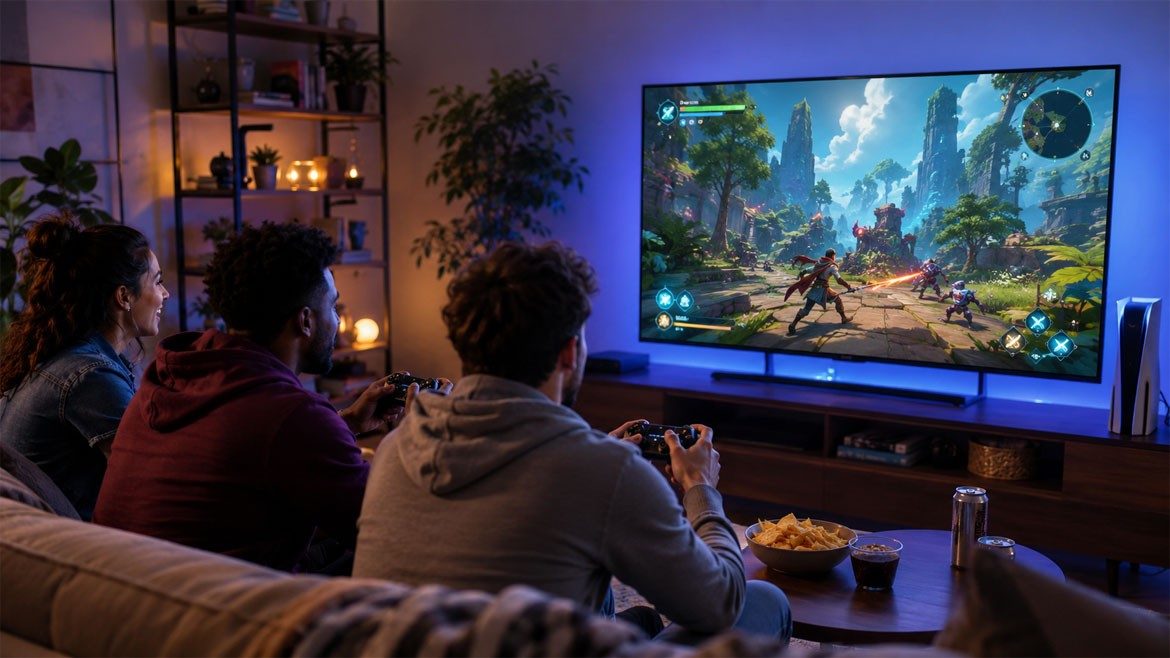
The year 2026 presents a fascinating moment in the history of gaming, particularly when examining the realms of console gaming and mobile gaming. Once perceived as distant cousins, these two gaming domains have witnessed significant evolutionary strides. The convergence of technology, enhanced hardware, and evolving player expectations have blurred the stark differences that once existed. As online gaming formats such as online slots gain traction, the dynamic within the gaming industry morphs further. Does the year 2026 finally see console gaming and mobile gaming standing on equal ground? Let us explore.
Technological Advancements in Mobile Gaming
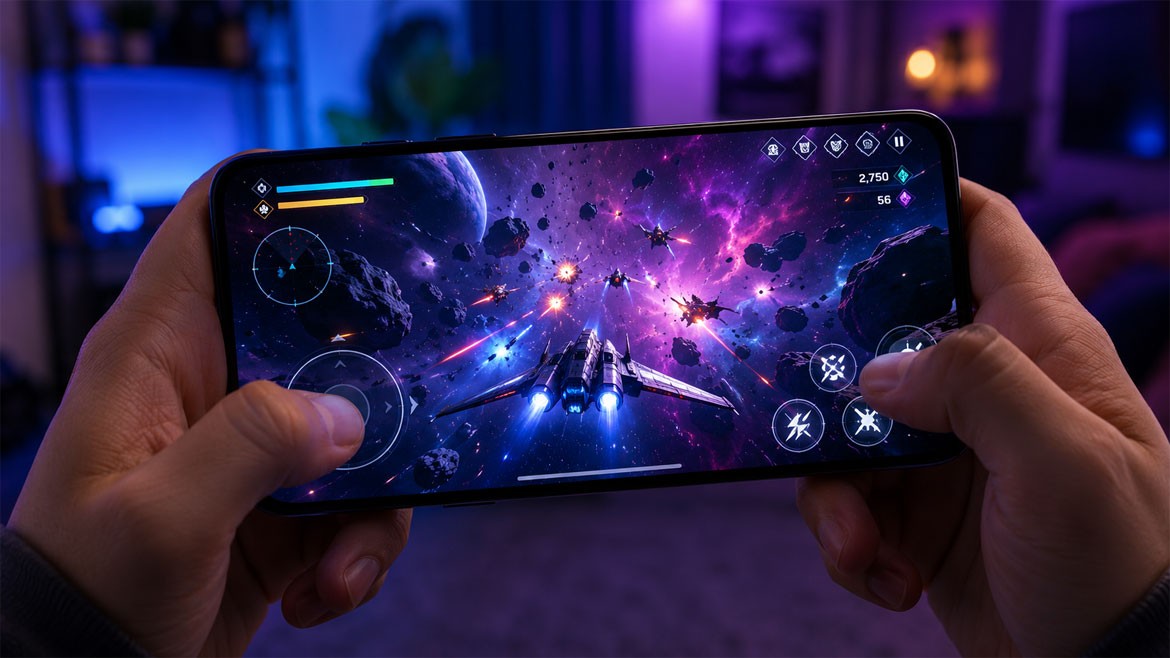 Mobile gaming has undergone an impressive transformation over the past few years. Smartphones have evolved into powerful gaming platforms with processing capabilities akin to some older-generation consoles. In 2026, mobile devices boast cutting-edge graphics, augmented reality possibilities, and seamless synchronization across platforms. Developers leverage these advancements to create more complex and visually appealing games, contributing to mobile gaming’s increasingly competitive edge against traditional console experiences.
Console Gaming Holds Its Ground
Despite the remarkable success of mobile gaming, console gaming remains a bastion of immersive experiences thanks to its superior hardware and exclusive titles. In 2026, the latest consoles continue to push the boundaries of graphics and realism, offering both performance and visual experiences that beguiling mobile gaming interfaces still find challenging. Dedicated gamers often prefer consoles for the tangible satisfaction of tactile controllers and expansive multiplayer capabilities, advantages that root consoles firmly in the hearts of gaming enthusiasts.
The Role of Cross-Platform Play
Cross-platform play introduces an intriguing dimension to the mobile vs console debate. With advancements in cloud gaming and server technology, players in 2026 can enjoy the freedom to play with friends irrespective of the devices they use. This breakthrough diminishes the division between console and mobile gamers, fostering a more unified gaming community. As cross-platform capability expands, the importance of the device may diminish, making game selection and online interaction the core focus of the modern gamer.
Monetization and Player Preferences
 The financial structures underpinning mobile and console gaming have historically differed, with in-game purchases and free-to-play models dominating mobile landscapes, and upfront purchases being the norm for consoles. However, by 2026, these distinctions are less defined. Both sectors now leverage diverse monetisation strategies, including subscription models, microtransactions, and downloadable content (DLC), reflecting changing player preferences. This shift highlights players’ willingness to invest in experiences they perceive as worthwhile, irrespective of the platform.
The Future of Gaming: A Converging Horizon
The ongoing evolution of gaming technology suggests that the apparent gap between console and mobile gaming will continue to narrow. Both platforms might adopt elements and innovations that facilitate a harmonious gaming ecosystem, with each catering to the diverse expectations of 2026’s gamers. As we look towards the future, it is possible that the distinction between these platforms will become purely nominal, ultimately focusing on the immersive quality and user experience of the games themselves.
In conclusion, while console and mobile gaming in 2026 still cater to their respective audiences with unique strengths, the line between them is increasingly indistinct. The fluid exchange of ideas, technology, and player preferences across these platforms is driving the gaming industry toward a more integrated horizon, where the choice of device is ancillary to the expansive and immersive experiences that they both strive to offer.