
It took me a little while to put together this review because of my long history with both the original Gothic and the rest of its series.
 When Gothic first came out in 2001, developer Piranha Bytes gave players something they had not seen very often before: a mostly open 3D world that seemed to exist independently and reacted to the player’s choices. The most famous example of an open 3D RPG from that era is probably Bethesda’s Morrowind, but that did not arrive until the following year. Gothic was a true trailblazer, and I spent many long nights wandering through its dangerous world. The remake is available on the Xbox Series X and PlayStation 5, and also for the PC through GOG and the Steam platforms.
The original developers found a smart way to create a large open environment while keeping its borders manageable for computers of the time. The Kingdom of Myrtana is at war with invading orcs and desperately needs magical ore to forge weapons. King Rhobar II responds by turning the Valley of the Mines on the island of Khorinis into a massive prison colony. Convicts are sent there to work the mines, while powerful mages create a magical barrier intended to keep the prisoners from escaping. But something goes wrong with the barrier summoning.
The barrier expands farther than intended and becomes permanent, trapping the mages and guards inside along with the prisoners. The inmates promptly rebel, defeat their former overseers and take control of the valley. Because living creatures can enter the barrier but cannot leave, the king cannot simply send his army inside to restore order. Instead, he is forced to negotiate with the prisoners by trading food, luxury goods and almost anything else they request in exchange for shipments of valuable magical ore. It is an excellent setup because it gives players a large open world with boundaries that make perfect sense within the story.
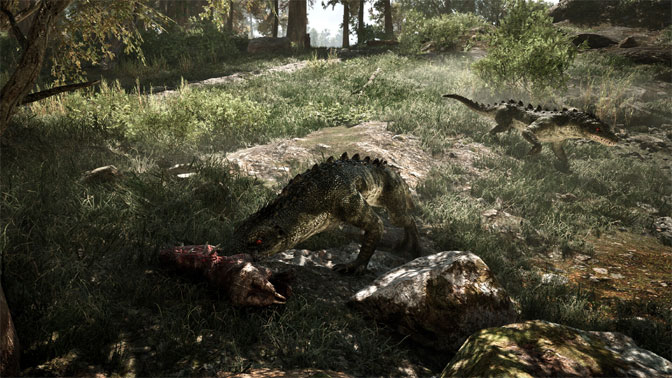 Inside the barrier are three major camps, each with different beliefs, leaders and plans for escaping the colony. There are forests, old ruins, mines, caves, hidden locations and dangerous stretches of wilderness between them. The original Gothic even let players dive underwater and explore, which was pretty amazing technology back in 2001.
Players take on the role of a convict sent through the barrier carrying a message from the king for the colony’s head mage. It is an offer that the Nameless Hero cannot exactly refuse, and it quickly drops him into the middle of the world and lets the adventure begin.
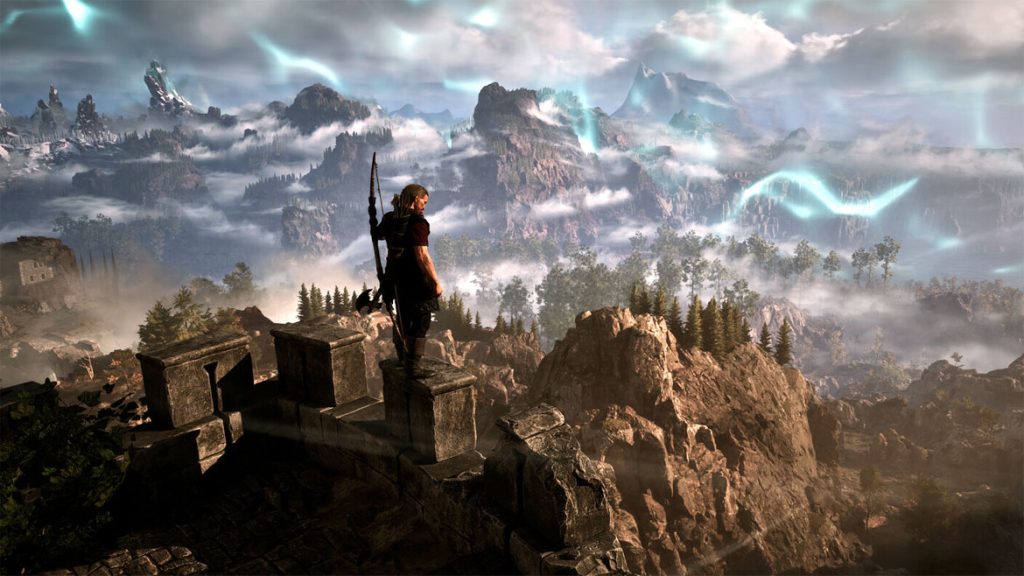
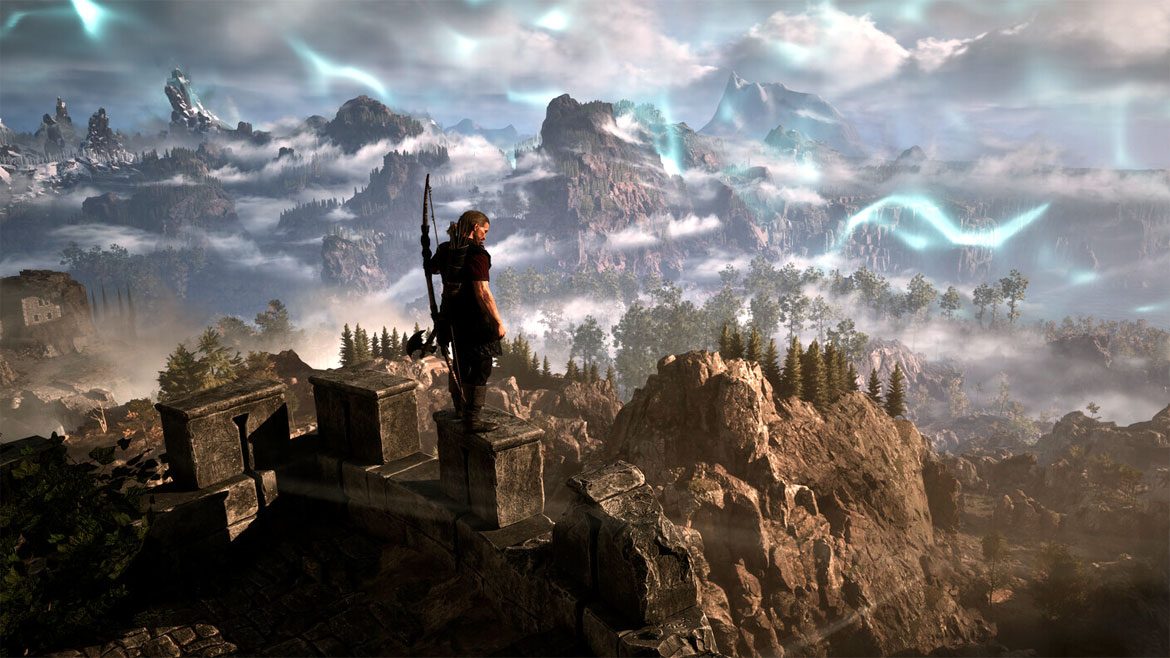
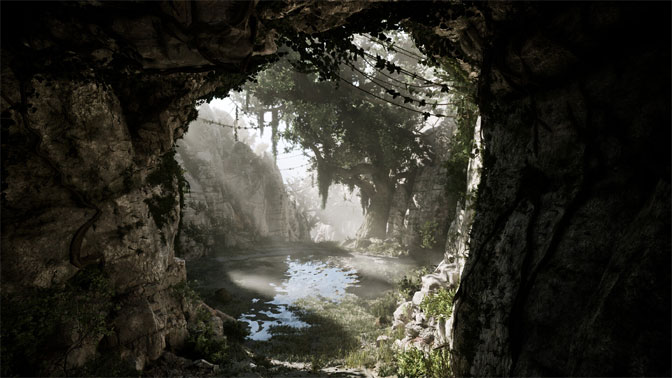
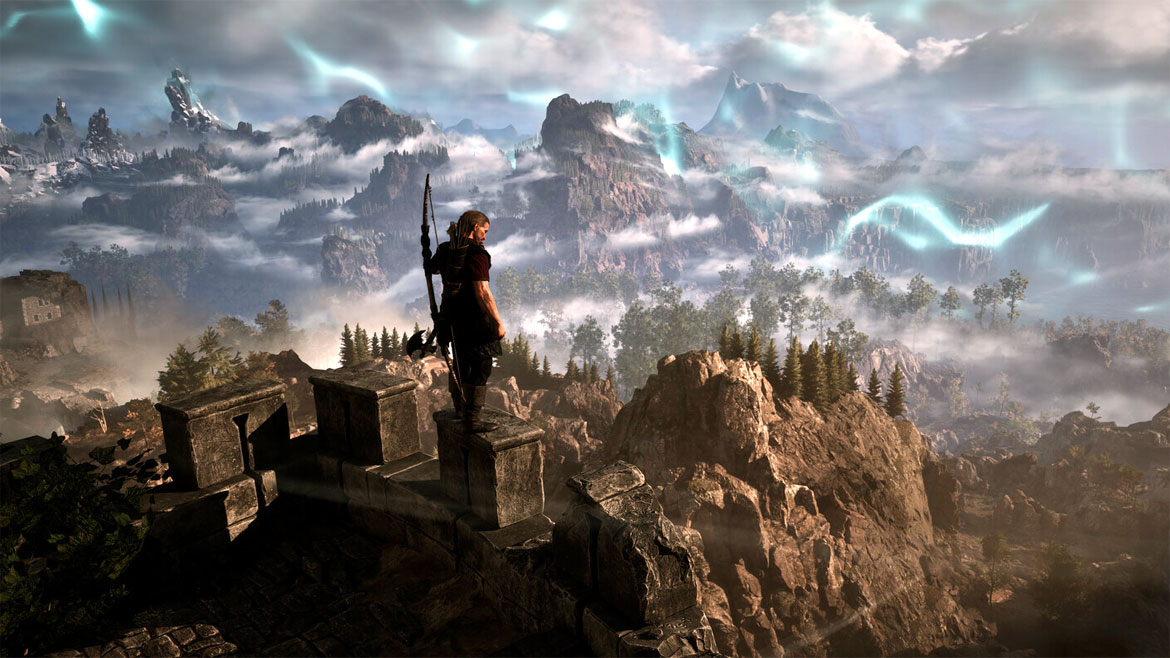
Given how many nights I spent exploring the original, I was excited to return to the Valley of the Mines through Gothic 1 Remake. The first thing I noticed after being thrown into the colony again was how beautiful everything looked. You begin in a small pond near the edge of the barrier, and the new water effects, lighting and environmental details immediately show how thoroughly Alkimia Interactive rebuilt the world.
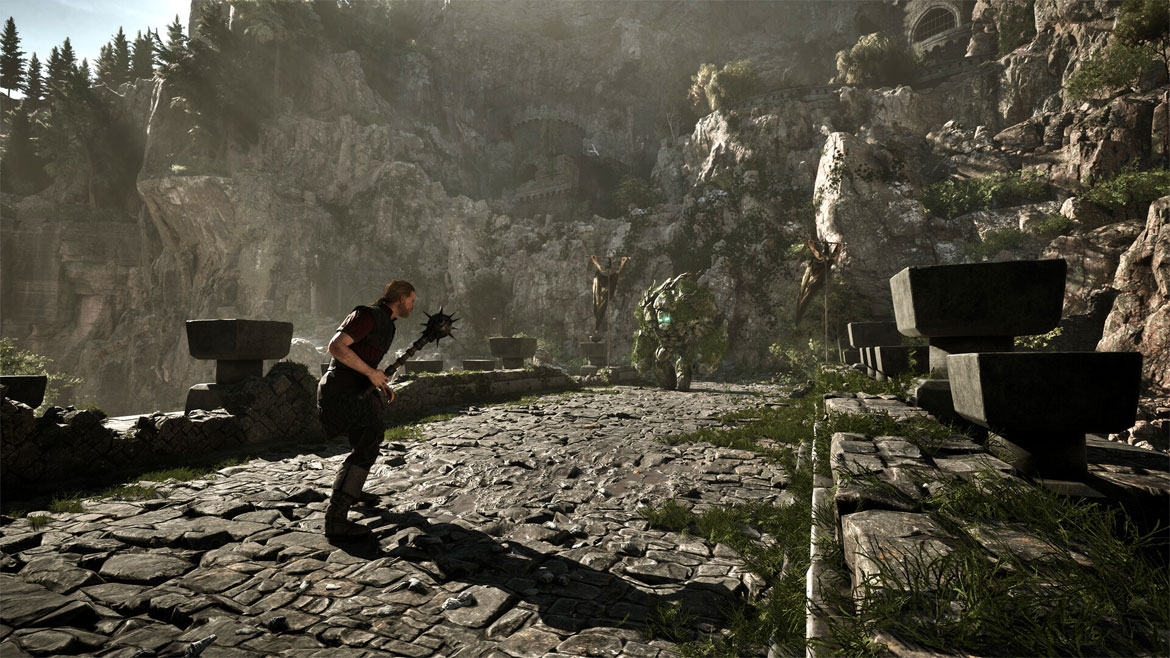
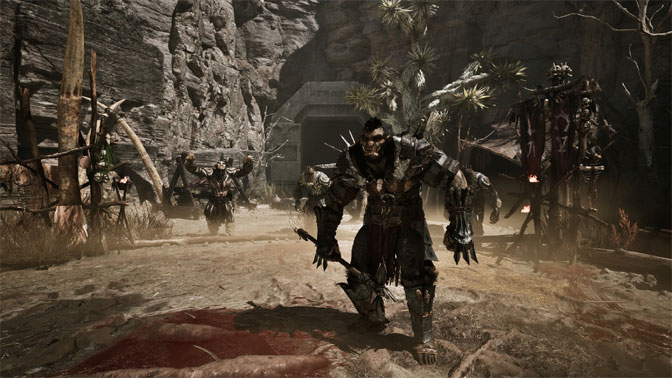
Then members of the local welcoming committee beat you up. Oh, and I remembered those guys. Their leader, Bullit, has been greeting new prisoners with violence since the original Gothic, and most players will probably make a mental note to come back for revenge once they become stronger. Twenty years later and that guy has still not learned. The new character models make the whole encounter much more convincing. Faces, clothing and animations are dramatically improved. The visuals do not quite reach the level of the most expensive modern AAA productions, but they come surprisingly close while preserving the gritty appearance of the original world.
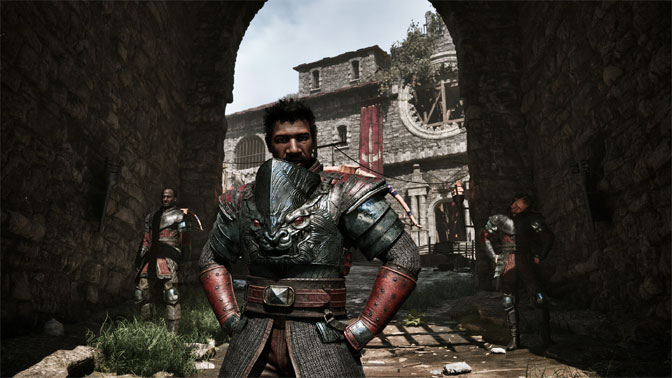 The colony itself benefits even more from the graphical overhaul. Forests feel dense and dangerous. Settlements look like places built by prisoners using whatever materials they could find. The mines, ruins and wilderness have a much stronger sense of scale. Familiar locations are recognizable, but they no longer look like artifacts held together by technology from a quarter-century ago. The world also feels alive. People work, eat, sleep, argue and go about their lives regardless of whether the player is watching. Characters react to your choices and reputation, and becoming involved with one settlement can affect how others view you. That was one of Gothic’s greatest strengths in 2001, and it remains impressive today.
However, returning to the colony also reminded me how different Gothic is from most modern RPGs. As much as I love the series, modern titles have spoiled me with extensive character creators, detailed interfaces and constant quality-of-life features. The Gothic 1 Remake remains remarkably faithful to the structure of the original, which means many of those conveniences are still absent. You cannot customize your character’s appearance, hair, build, race or sex.
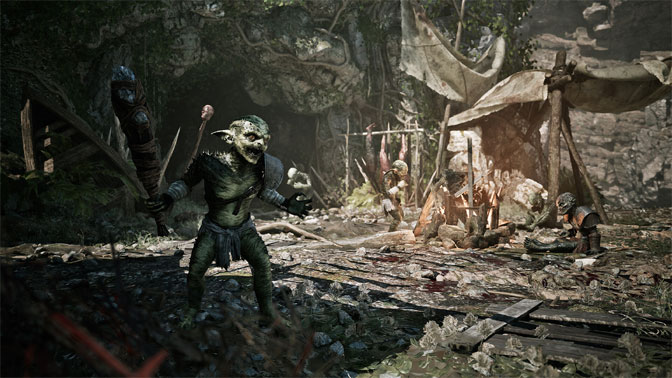 You do not even name the hero. Early in the adventure, someone asks for your name but cuts you off before you can answer. From that point forward, you simply remain the Nameless Hero. That eventually became one of the defining traditions of the Gothic series, but it still feels strange when almost everyone else in the colony has a name and identity. It also limits some of the deeper role-playing possibilities that players may expect after experiencing titles like Baldur’s Gate 3.
At the same time, changing those things might have weakened the connection to the original. Alkimia Interactive generally chose to preserve Piranha Bytes’ vision rather than rebuilding Gothic into a completely different modern RPG. I respect that decision even when it means accepting a few older design limitations.
One system I was especially happy to revisit was Gothic’s unusual approach to character development. You earn learning points when gaining levels, but those points do nothing on their own. To improve a skill, you need to find someone willing to train you, then pay that person using both learning points and ore, which serves as the colony’s currency. The need to find trainers makes exploration important. Certain teachers may only live in one settlement or become available after earning someone’s trust. Your skills are not simply numbers selected from a menu. They represent knowledge taught by people who already know how to survive inside the barrier.
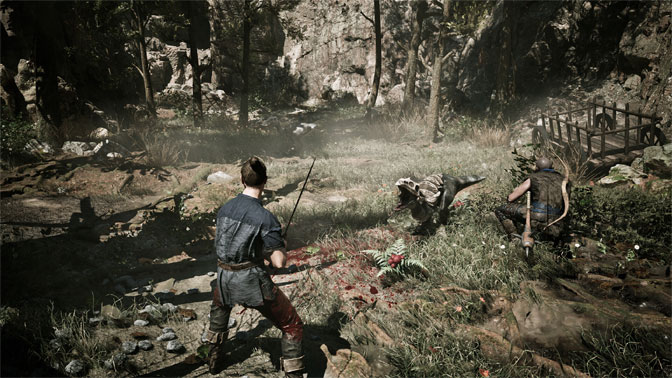
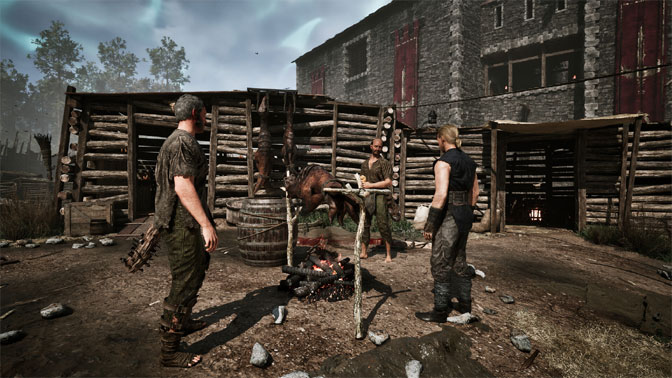 Combat abilities provide one of the clearest examples. At the start, the Nameless Hero handles a one-handed sword or club like someone who has never received proper training. He swings wildly and hopes to hit something before being eaten, stabbed or beaten unconscious. But after purchasing the first level of one-handed weapon training, everything changes. You learn faster attacks, stronger swings, quick thrusts and defensive moves. Suddenly, combat feels more controlled and survival becomes much more likely.
Higher skill levels improve your abilities even further, including increasing your chance to land critical hits. But every weapon category needs separate training. Learning how to properly use a one-handed sword does not magically teach you how to handle a massive two-handed weapon. Until you find the right instructor and invest more learning points and ore, you will still swing larger weapons like an enthusiastic drunk.
That sense of visible progression is one of the best things about Gothic. Many RPGs increase hidden percentages when you level up. Gothic actually changes what your character knows how to do. Training makes the Nameless Hero look and feel more competent, which creates a strong sense that he is slowly learning how to survive. And some abilities are almost impossibly difficult without training.
 Lockpicking is a perfect example. At skill level zero, opening a locked chest means shifting plates around a matrix while trying to move the correct pin into place. The problem is that many of those plates are invisibly connected. Moving one may cause several others to shift. If a plate reaches the end of a row and gets pushed again, your lockpick breaks and you have to start over. Some difficult locks can require 30 or 40 moves when attempted without any lockpick training. But once you purchase the first lockpicking level, your tools can survive several mistakes before breaking. More importantly, training begins removing the hidden connections between plates. Higher skill levels continue simplifying the puzzle until opening a lock becomes almost as easy as turning a door handle.
Magic follows a similar path. At first, anyone can use magical scrolls, but every scroll is consumed after casting. Eventually, players can find trainers who teach them how to use permanent magical runes.
Early choices include healing and fire magic. My advice is simple: Pick fire. Healing is easy enough using food, herbs and other supplies, many of which can be cooked or eaten raw. Offensive magic provides something much harder to replace. Fire spells let you attack dangerous enemies from a distance and finally give your mana points a purpose. Being able to throw fire saved me during several early encounters that probably would have ended badly if I had been forced into melee combat.
 Of course, every learning point spent on magic is one that cannot be invested in weapon skills, lockpicking or other abilities. Gothic makes specialization meaningful because it’s difficult to master everything. You are constantly making choices about the kind of character you want the Nameless Hero to become.
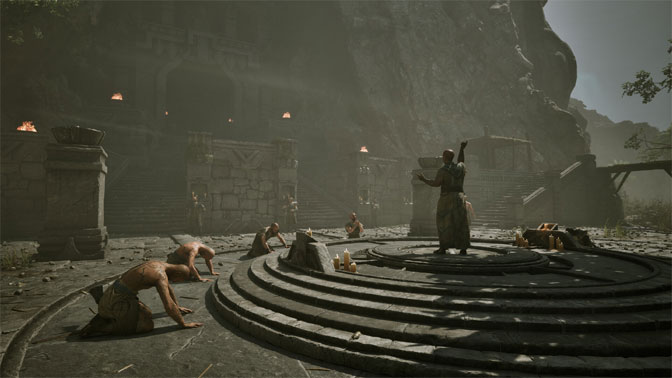
Those critical decisions also connect to the colony’s three competing factions. Joining a camp is much more than selecting a team. Each group has its own goals, politics, trainers and approach to survival. Your choice influences how the story develops and can shape what kinds of abilities become available. Before anyone accepts you, however, you need to build a reputation by helping people, completing assignments and becoming useful. The resulting quests remain one of Gothic’s strongest features.
The remake expands some questlines and gives supporting characters more routines and reactions, but it never loses the rough personality that made Gothic memorable. The colony is not a theme park built around the hero. It is a hostile society that existed before you arrived and will keep functioning whether your Nameless Hero becomes important or dies somewhere in the woods.
 The audio supports the atmosphere well. Music is used carefully rather than constantly, while environmental sounds help make forests, settlements and mines feel active. The voice acting gives the prisoners plenty of attitude, though the visual transformation is much more dramatic than the audio improvements.
Gothic 1 Remake is also a strong value. The main adventure can easily occupy more than 50 hours, especially for players who explore every camp, complete side quests and search for secrets. At $49.99, it offers a large, handcrafted RPG without feeling padded simply to advertise an enormous map. The question is whether the remake is accessible enough to tempt modern players into the colony for the first time.
I think the answer is yes but with some qualifications. Players accustomed only to highly polished modern RPGs like Baldur’s Gate 3 or even older titles like Skyrim may find Gothic restrictive. Character creation is almost nonexistent. The progression systems require patience. Some mechanics are intentionally difficult before training. The world does not always bend over backward to make players feel powerful or important. But those qualities are also part of what makes Gothic special.
 This is an adventure where becoming capable actually means something because you begin with almost nothing. You arrive as an unknown prisoner armed with bad clothing and whatever crude weapon you can find. Respect must be earned. Skills must be learned. Every improvement feels important because survival was genuinely difficult without it.
For longtime players, Gothic 1 Remake is something even more meaningful. Technology moves quickly, and many older PC titles eventually become difficult to run or unpleasant to revisit. The original Valley of the Mines seemed destined to become one of those places preserved mostly through memories, community patches or old hardware. But now the barrier is open again.
 Alkimia Interactive has rebuilt the colony without stripping away the systems, atmosphere and personality that made Gothic important. It looks magnificent, plays more smoothly and expands parts of the original experience while remaining remarkably faithful to a pioneering RPG from 2001. Not every piece of old-school design will appeal to modern players, but turning Gothic into another conventional open-world adventure would have missed the point.
The Gothic 1 Remake succeeds because it remembers what made the original special. It does not simply recreate the Valley of the Mines. It gives longtime fans a chance to come home while inviting a new generation to discover why so many players never forgot this strange, dangerous and groundbreaking world.