
Late last year, I marked Resident Evil Requiem as one of the games I was most excited to see in 2026. That was a little surprising, even to me. I used to review horror titles pretty regularly for Game Industry News, but over time I stepped away from them because anxiety and blood pressure issues made the kind of stress that comes with those a little harder to enjoy. Still, Requiem looked too interesting to ignore when I checked out its Steam page, and after playing through it I can say that Capcom has delivered one of the strongest modern Resident Evil titles in a long time. There may be some mild spoilers ahead, so keep that in mind.
 Resident Evil Requiem is built around two playable leads who offer very different flavors of horror. One is Grace Ashcroft, an FBI analyst who is far more comfortable behind a desk than in the field. The other is Leon S. Kennedy, the series veteran whose name alone tells longtime fans that he is not here to fumble around in a panic for very long. Capcom itself has leaned into this contrast, describing Grace’s side as terrifying survival horror and Leon’s as a more pulse-pounding action experience, and that split turns out to be one of the smartest things about the whole game.
 The basic setup follows Grace as she investigates a new outbreak tied to old wounds that never really healed, and Leon eventually entering the picture as the situation grows larger and deadlier. Requiem is the ninth mainline entry in the series, and it clearly wants to play with both the franchise’s recent first-person horror identity and the more confident action roots that players associate with Leon. That balancing act could have gone badly. Instead, it mostly works beautifully in Resident Evil Requiem.
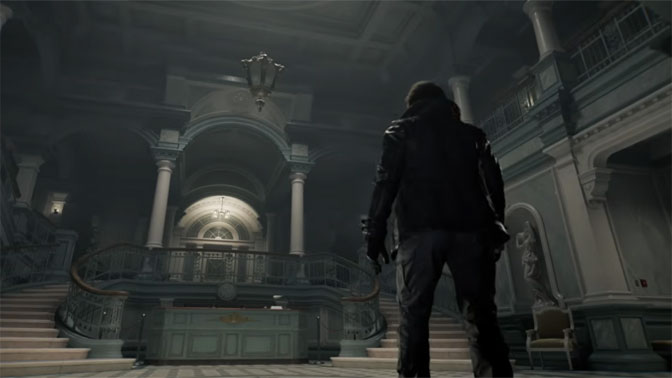
Grace’s sections are where Requiem is at its most frightening. She is not a human tank, and the game knows it. Her early hours are built around unease, caution, and the sick feeling that every hallway could turn into a death trap. Exploring the hotel and later the hospital as Grace is deeply stressful in the best Resident Evil way. In Requiem, players are under-armed, under-informed, and never fully comfortable. Even when it’s not throwing enemies at you, it is working on your nerves.
 What really sells Grace’s sections is how vulnerable she feels compared with Leon. Her weapons have punch but not confidence. Even small animations help establish that. When she fires the heavy Requiem magnum, for example, the recoil rattles her in a way that reminds you that she is not built for this kind of work. That detail matters. It keeps her from feeling like a reskinned action hero and reinforces the horror angle Capcom was clearly aiming for.
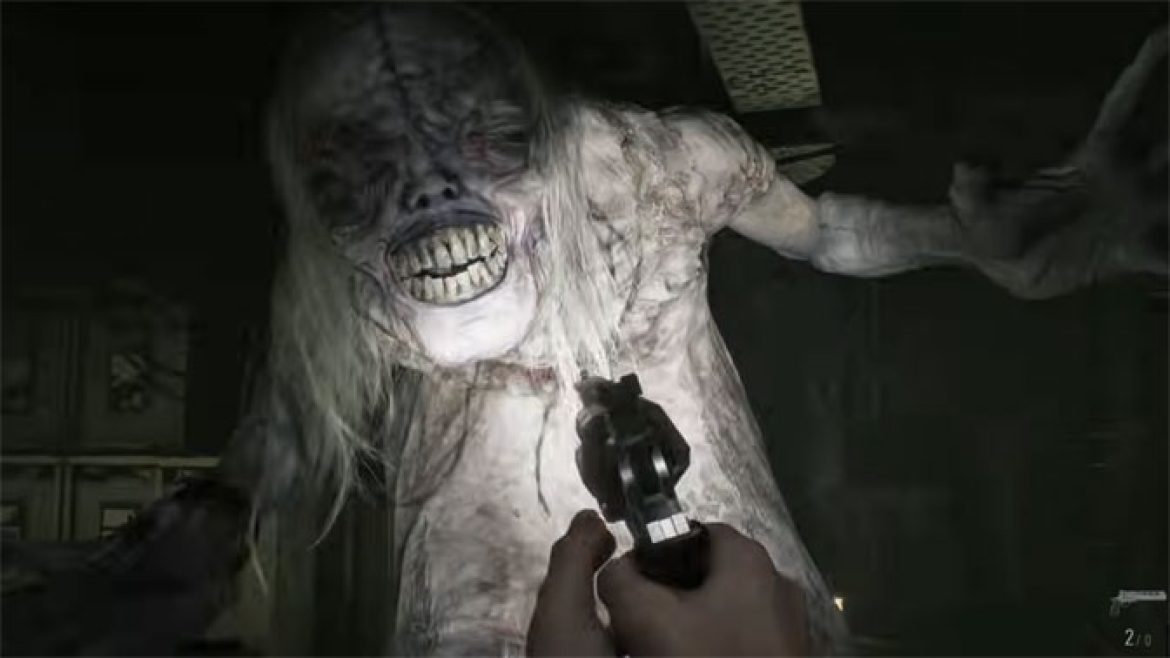
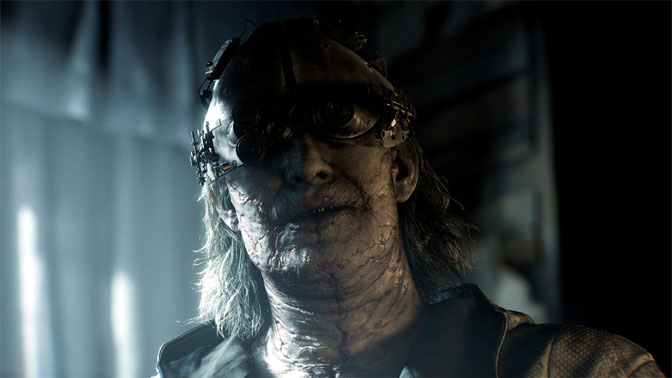
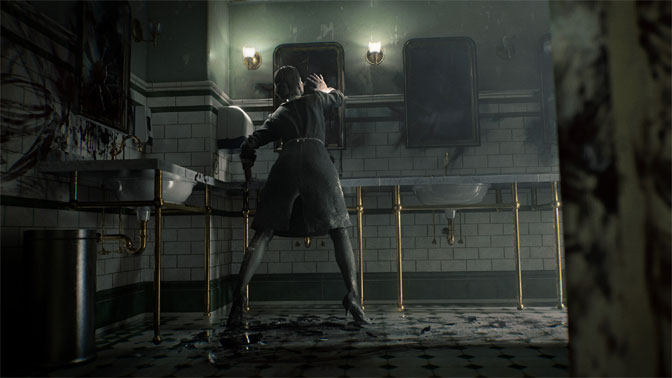 The atmosphere in these sequences is excellent. Requiem does not rely too heavily on cheap jump scares. Instead, it builds dread through sound, space, and unsettling behaviors. For example, there are zombies who continue performing broken versions of their old routines after infection. A maid was still trying to clean a bathroom while smashing her face into the mirror, which is exactly the kind of image that sticks with you. Selena, one of the singing zombies, sounds especially effective because her voice travels through the halls before she reaches you, turning simple movement into a source of panic. That use of sound design is part of why Requiem works so well. It understands that horror often lands harder when the threat has time to seep into your mind before it touches you.
Then Leon arrives, and the whole rhythm changes.
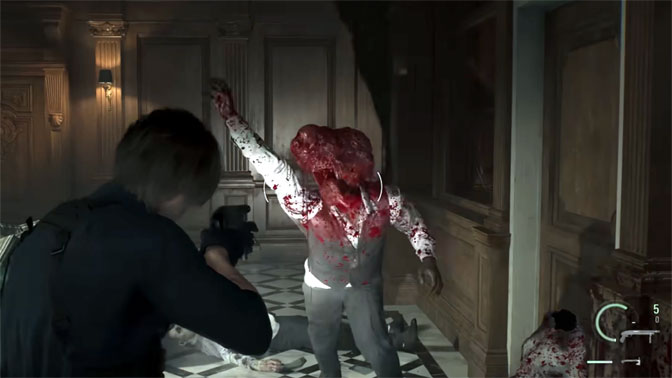 Leon’s sections in Requiem are not carefree action romps, but they do act as a release valve after Grace’s nerve-jangling hours. He is more capable, better armed, and more suited to direct confrontation. That does not mean it stops being scary in Requiem when playing as him. It means the fear shifts. With Grace, the tension comes from helplessness. With Leon, it comes from pressure. When playing as Leon, players can fight more effectively, but the game throws larger, uglier problems at you and expects you to survive through force, mobility, and fast decision-making. It’s a smart contrast, and it keeps the campaign from becoming emotionally exhausting in only one register.
That contrast also helps the pacing. Horror titles can sometimes wear players down if they’re staying locked in a state of pure dread for too long. Requiem avoids that trap by moving between Grace’s survival-heavy sequences and Leon’s more assertive stretches. The result is a game that feels varied without losing its identity. Players are still always in Resident Evil territory, and they are still solving problems in dangerous environments with limited resources and terrible things around the corner. You just approach those problems differently depending on who you are controlling.
 Mechanically, Requiem feels polished. Exploration, item management, and combat all have a confident weight to them. The controls are responsive, enemy encounters are memorable, and the environments do a great job of funneling players through spaces that feel both cinematic and threatening. Capcom has had years to refine this style through the RE Engine, and it shows. The visual presentation is amazing, with grotesque monster detail, strong lighting, and environmental storytelling that keeps even quiet areas feeling tense. The audio is just as important. Echoes in hallways, distant movement, and off-key human sounds all contribute to a constant sense of unease. Requiem may be visually stunning, but it’s the soundscape that often does the most damage to your nerves.
 If there is one major weakness here, it’s the value score. On a standard difficulty setting even with time spent exploring and recovering from stress, the campaign came in at around 12 hours. That is not unusually short for a Resident Evil title, but with a $70 asking price it can still feel a little thin especially if players end up wishing for more time as Leon or more room for the story to breathe. Capcom clearly prioritized intensity and polish over sheer size, and while that results in a sharper experience, it also probably leaves some players wanting more than the package currently offers.
 Still, it’s hard to argue with the quality of what is here. Resident Evil Requiem succeeds because it understands the many flavors of fear that the series can deliver. Grace’s campaign reminds players how scary helplessness can be. Leon’s sections remind them of how thrilling it is to survive anyway. Together, they create a game that feels both modern and confidently rooted in what Resident Evil does best.
 For players who love horror, this is an easy recommendation assuming your nerves can take it. For those who drifted away from the Resident Evil series, Requiem makes a strong case for coming back. It is creepy without being lazy, cinematic without losing tension, and polished enough to feel like a major release. Even with its short length, Resident Evil Requiem is a masterpiece of mood and design, and it has already put itself near the front of the line in the early game-of-the-year conversation.