
Yacht Club Games made one of the absolute finest platformers during the retro revival craze that struck the 2010s, and Shovel Knight digging his way directly into the hearts of many a gamer. While Shovel Knight was a tribute to titles like Mega Man, The Legend of Zelda II, and the like, Mina the Hollower is a game that was heavily inspired by The Legend of Zelda: Link’s Awakening to the point that it even begins with a shipwreck. Is it merely a coincidence that each major protagonist from a Yacht Club game has digging as their primary mechanic, or am I thinking too much into this? Let’s find out.
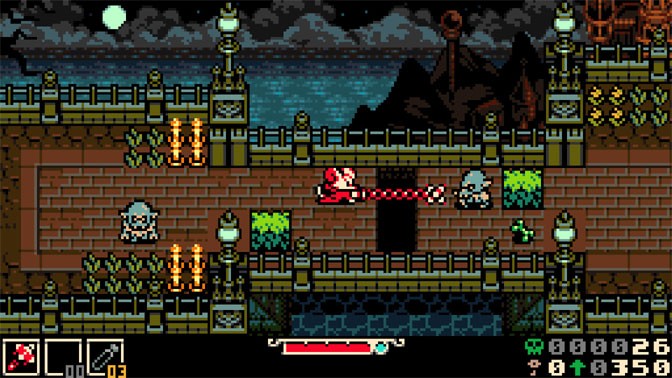 Mina the Hollower is available for the PlayStation, Xbox, and Switch consoles and for the PC through Steam, where we reviewed it. As aforementioned, the genius inventor Mina receives a letter requesting she come back to Tenebrous Isle to repair the Spark Generators that have granted the citizens of that land prosperity. Unfortunately, the ship wrecks and leaves her stranded, which means the only thing you can really do is to trek your way through the dangers of Tenebrous battling flora and fauna alike. With each Generator you repair, a more dire plot seems to be unfolding beneath the surface, exposing that your allies and enemies may not be who you think they are.
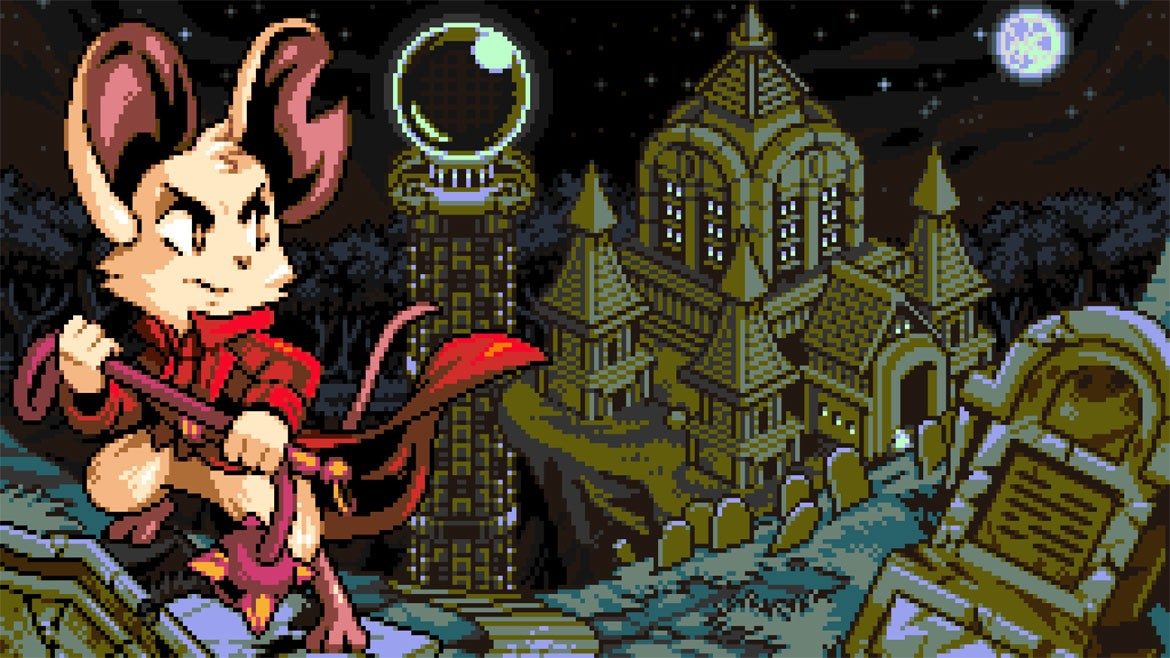
Mina the Hollower is a beautiful combination of styles that adopts the visuals of Link’s Awakening DX and meshes that with classic Castlevania difficulty that’s managed by a Bloodborne-esque healing system. The adventure starts off tough as nails while still having tight and intuitive controls, but as you progress, you’ll add more and more features to Mina and her chosen weapon.
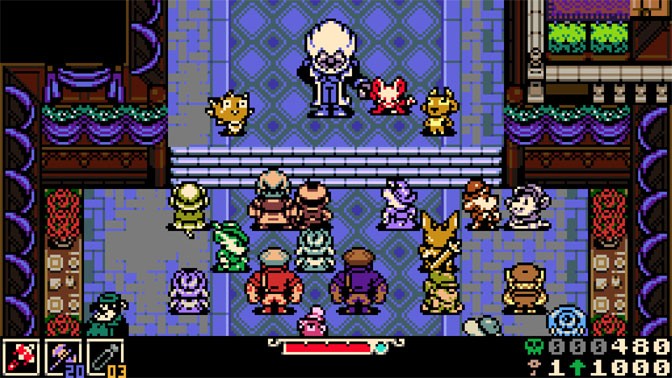 Combat mostly stays true to the title’s inspirations. You move along a top-down environment, completing platforming challenges, the occasional puzzle-platforming segment, loads of exploration with secrets on nearly every screen, and a whole lot of combat with one of five weapons.
At the start of Mina the Hollower, you’re offered a choice of three different weapons: a whip that makes you feel like a rodent Belmont, a hammer that charges and deals devastating blows, and a pair of daggers that have short range but a fantastic attack speed. Later, you can use a gun that allows you to attack from a longer distance but requires you to bonk enemies on the head to regenerate ammo, and a shield that gives Mina a parry that can blow enemies away if you properly time your counterattack.
 On top of having a variety of weapons, the player can switch to any time they visit a save spot, Mina also has access to a variety of sidearms that you find Castlevania style by breaking candles scattered all throughout the world. Sidearms cost joules to use, which are functionally identical to the hearts that sub-weapons cost in Castlevania and similar titles.
Some of the sidearms are great for traversal, like the Drill and Iron Steed that can speed you up and help to cross gaps. Others are excellent for avoiding enemies and hazards, like the Mist Jar. Some deal large amounts of damage to enemies, like the Volt Hatchet, which is a love letter to Castlevania’s iconic axe, throwing arc and all. And some have multiple fun applications, like the Fishing Rod.
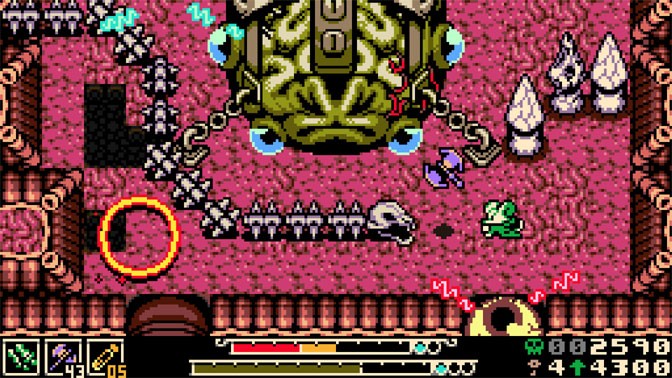 Yes, the Fishing Rod is one of the most flexible sidearms in Mina the Hollower, as you can use it to catch fish and the rejuvenation items from puddles, or straight up skip entire sections of an area by grappling an enemy and reeling yourself into them. It’s super fun!
Mina also will collect a variety of trinkets throughout her adventure that will dramatically change how you play. There are 60 trinkets in all, and they each have some pretty notable effects that can help make the adventure easier, or they will enhance some portion of your kit at the expense of a downside. Some of the more simple ones might disable knockback when you’re hit, or they will bring you back to life once if your health runs out.
There is even a trinket that will let you use sidearms when you’re out of joules at the expense of your health, which can be really fun when you combine it with sidearms like the Mist Jar, which can regenerate health and plasma when you use its invulnerability to dash through bosses.
 Speaking of health and plasma, this is a good time to talk about what makes Mina the Hollower so challenging. One aspect of that is its healing system. Mina starts off her first adventure with a few plasma vials, which are comparable to the Estus Flask and similar items from the Dark Souls titles. Plasma vials don’t heal you on their own, however, as you need to beat the tar out of enemies in order to fill them. Only then can you recover health.
This means that without using a trinket to modify how this system works, getting hit a few times in a row without being able to hit the enemies or boss you’re fighting can leave you low on health with no way to recover until you’re able to get some damage in. Taking hits lowers your health and also spills the plasma you may have already collected.
The healing system in Mina the Hollower is centralized around the enemies you’re fighting and your ability to hit them at least a few times without getting hit yourself. Once you get used to how enemies move and how Mina moves, this becomes way less of an issue. But it can be pretty challenging at the start when you’re still trying to get a handle on Mina’s primary defensive option of burrowing into the ground.
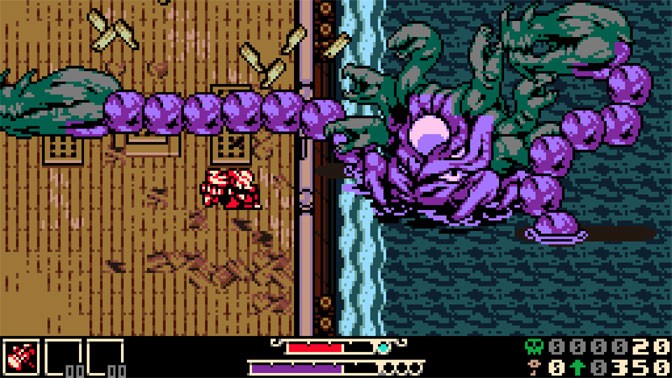 Burrowing is another thing that makes Mina the Hollower challenging, especially at the start, because burrowing isn’t something instant that you can do to avoid damage like the parry systems that are so incredibly popular nowadays. You burrow by holding the jump button after taking to the air, which means you need to anticipate when an enemy is going to send an attack your way because you have to complete Mina’s jump cycle before you can be safely in the ground.
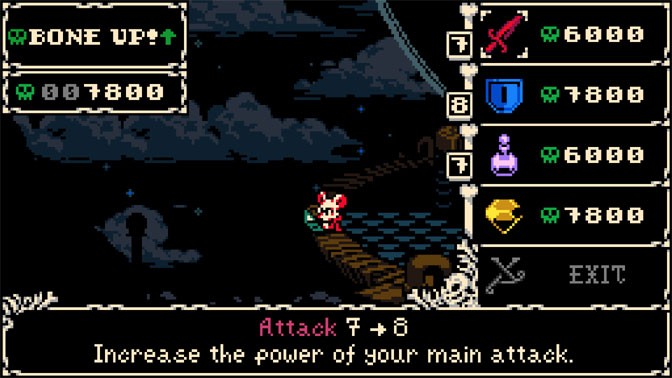
On top of this, dying will cause Mina to lose her Spark, and the failure to retrieve it will cause you to lose any and all bones you’ve collected. Sparks are basically your extra lives, and bones function as both your gained experience for level ups and your currency to buy items from the various shopkeepers all across the world.
As you progress, you’ll acquire multiple additional Sparks, which means you won’t lose any acquired currency until you’ve died upward of four or five times. That definitely goes a long way toward making the later portions considerably easier, since you really don’t need to worry about losing the 25,000 bones you’re carrying in the final dungeon when you have so many extra chances.
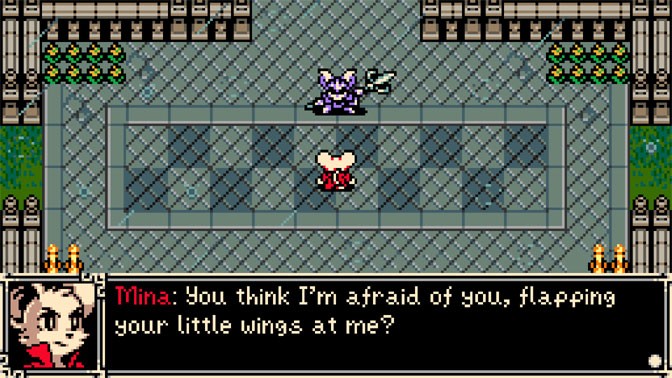 Beyond that, Mina the Hollower has that challenging level design that we expect to see from a retro revival style title, and an interesting inversion in its healing and defensive options that you don’t see very often from adventures inspired by things like Castlevania and Link’s Awakening. The island you’re exploring is open almost completely from the start, as the goal is to get the six Spark Generators running again, and you’re given very minor hints on where to go at the start.
For example, early on after reaching the main town hub following the shipwreck, you may encounter a newspaper or an NPC saying something is happening to the east of town, which in turn will lead you to the easiest of the areas to explore. So, while you can explore the world in any way you please, there’s an obvious intended route that at least the in-game newspapers will try to guide you toward.
If the difficulty sounds daunting, then it’s worth noting that one of the best things about Mina the Hollower is the sheer volume of accessibility features it has. There is a massive list of modifiers you can apply to your adventures. Some may make the title easier, some may make it more challenging, and some make it weird. Generally speaking, if the modifier makes the adventure easier, it will also disable achievements, but if this is the difference between enjoying Mina the Hollower or never playing it again, it’s perfectly reasonable to tweak things more to your liking and possibly try for achievements once you get more used to the experience.
 I didn’t mess around too much with the modifiers because I wanted to play the intended difficulty for the purpose of this review, but if you don’t care about achievements, you can really go to town by reducing how much damage you take, adding more save points, making it so your own sidearms can damage you, or making enemies twice their size. There’s a ton of flexibility with this system.
That being said, it’s definitely recommended you at least try Mina the Hollower on the normal difficulty first and then tweak it if you feel the challenge is a bit too much for you. It’s definitely more common to die more in the beginning while you’re figuring things out and then have zero deaths through multiple of the hardest zones later on just because there’s a pretty solid learning curve with Mina’s movement and the healing system.
Toward the end of Mina the Hollower, the difficulty very much is what you make of it. After making your way through most of the adventure, you’ll have a variety of powerful upgrades to your weapons, will be able to wear multiple trinkets that can provide a wide variety of boons, and will have more plasma vials than you’ll know what to do with.
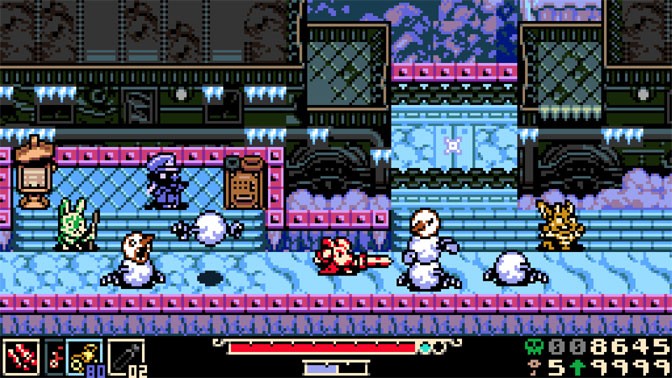
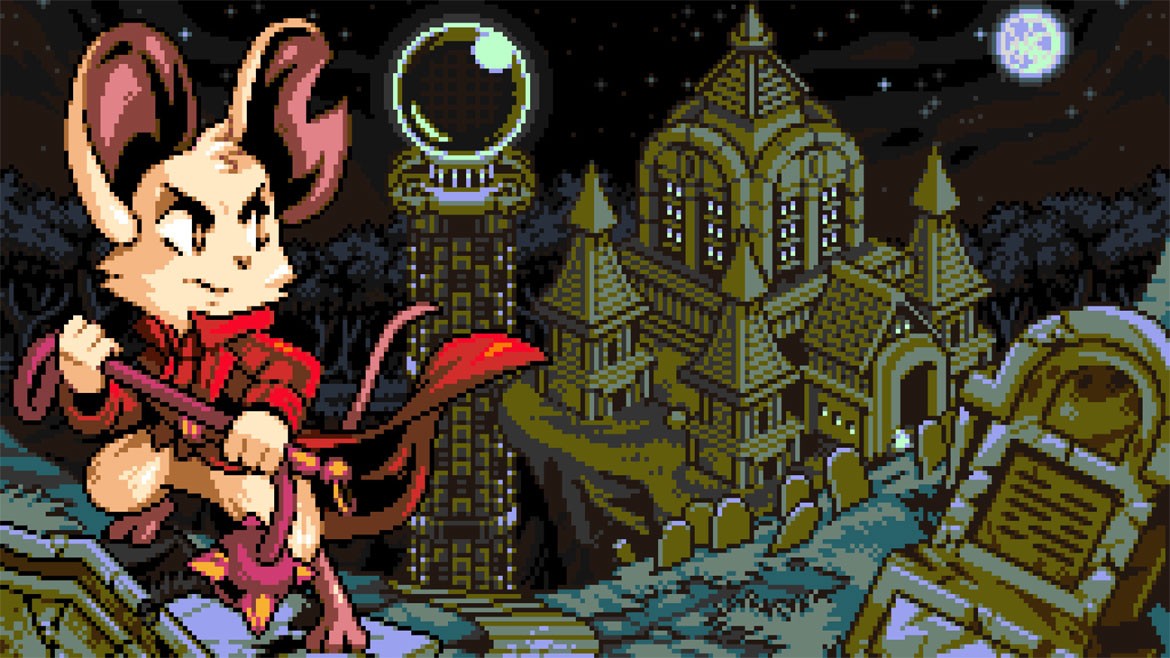 Each location is a gorgeously designed set piece with a variety of elements of Gothic horror. Even then, while you may struggle at the graveyard and crypts at the beginning, you’ll likely fly through the swampy bayou, beach, and the snowy mountain zones once you get the hang of how you defend yourself and find some trinkets that help keep your little mouse alive.
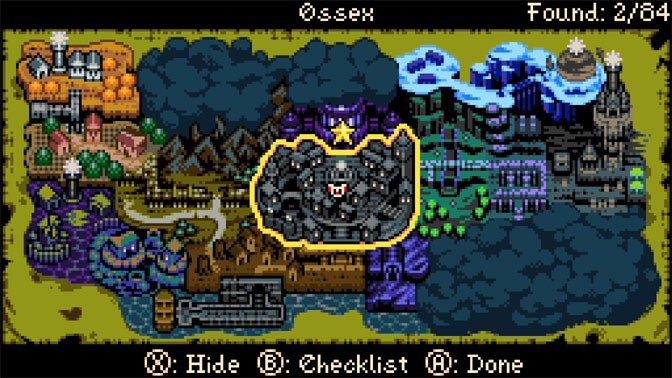
If there’s any one thing that would have been nice to unlock after beating Mina the Hollower, it would have been a detailed world map that could be viewed when backtracking to achieve 100% completion. There is a map you can unlock throughout the course of the adventure, and it can even be upgraded once, but the map you have access to is a zoomed out picture of Tenebrous Isle, nothing showing you what screen connects where.
When just playing to the conclusion, the lack of a detailed world map is perfectly fine since most areas are linear on first-time completion. However, the lack of even a slightly more comprehensive map screen makes finding every single item for max completion either a chore or something that requires outside help from a website. Honestly, this isn’t that much of a negative because not everyone is a completionist, but it would have been nice.
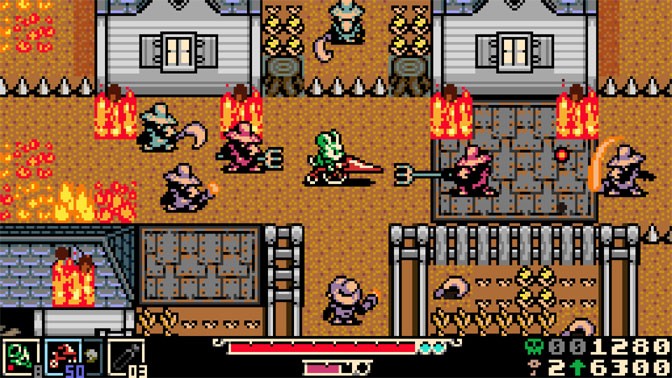 Mina the Hollower is one of the best platformers released in 2026, offering high challenge at base, heavily adjustable difficulty, loads of secret items, and multiple hidden bosses to find. There are a bunch of achievements to unlock, speedrun tech to explore, and lots for completionists to keep busy with too.
My completion run, the first run of Mina the Hollower, took roughly 21 or so hours, though I did break down and use a map from the internet once I explored a few areas and couldn’t find any missing items. If you’re exceptionally quick, you might even be able to beat the whole adventure in under two hours, so the world is really your oyster with this one.
All in all, Mina the Hollower is great for those who appreciate difficulty in isometric action-platformers or are willing to adjust the difficulty settings to something they find more reasonable.