
Hey all, I’m back with a look at a trend that could impact gaming for the foreseeable future for this week’s Video Game Tuesday. It’s all about live services.
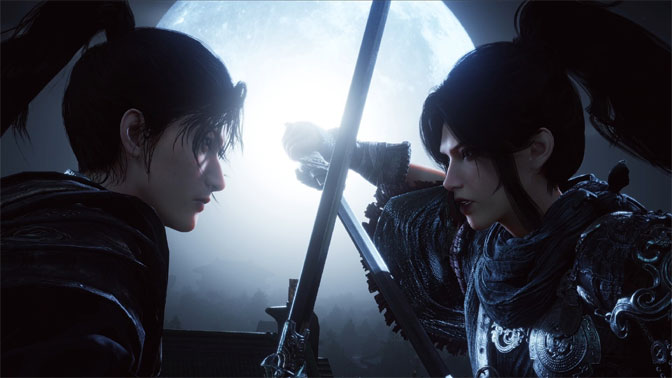
Live Service?: For those unaware, live service refers to games like World of Warcraft, Destiny, Fortnite, and even mobile titles like Fate/Grand Order that are constantly getting content updates. Sometimes those are paid games, and sometimes they are not (as is the case with titles like No Man’s Sky, which only requires the initial payment, or Where Winds Meet, which is free to play).
What’s the problem?: Well, a lot of publishers have tried to get on the live service train, and that space has become extremely crowded. People only have so much time in a day to play games, and that time shrinks for most people as they get older. I’m one of those lucky people who gets to play whenever I want because this is my job, but even I get tired of juggling various live service titles and don’t really want to add more of them to my rotation. Mostly, that’s because I like to do other things besides gaming. I read quite a bit for my other columns, and that requires me to read many, many things. Thankfully, I read very fast, but that’s a topic for another day.
The point is that live service games ask for something very valuable of their players: their ongoing attention. That is a lot harder to earn now than it was when the model felt newer. It’s part of why titles like Concord struggled so badly, and even long-running mainstays like Destiny 2 have faced their own issues. That’s not true for every live service game, of course, as ones like Final Fantasy XIV continue to deliver content that is generally spectacular. But in general, it feels like the market can only support so many of these titles at once.
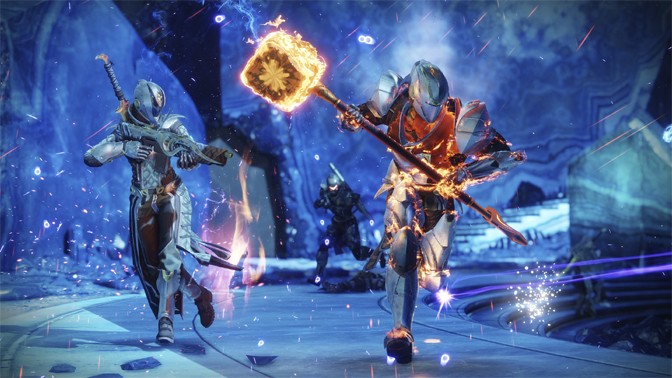
What can be done?: Well, developers can make more games that aren’t purely built around live service systems like Destiny or Fortnite. Yes, that is more of a one-and-done kind of deal, but that’s how gaming has mostly worked for a long time. Live service as a dominant model really only took off over the last decade-plus, and not every title needs to be built around seasons, constant updates, or long-term engagement hooks.
I would like to see more non-live services titles released by publishers like the Horizon series rather than every publisher chasing the next endlessly updated hit. Gaming is often at its best when it focuses on interactive storytelling and memorable experiences. It’s why titles like Chrono Trigger, Super Mario 64, Banjo-Kazooie, Final Fantasy, The Legend of Zelda, Persona 5, and Elden Ring have endured. They gave players compelling adventures without needing to lean on microtransactions or seasonal updates as the main reason to keep coming back.
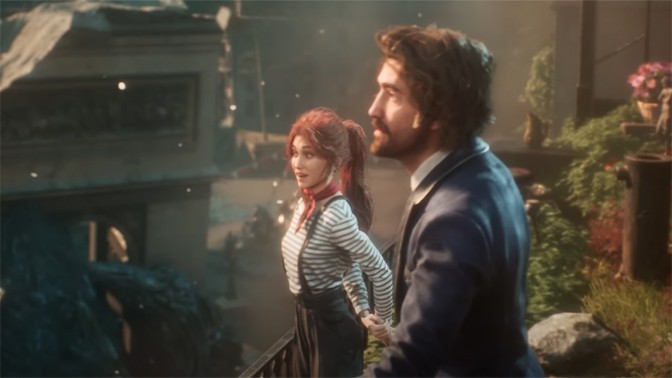
Most people probably only have the capacity to seriously follow one or two live service games at most, and even then, many players drift away after a few months simply because the loop can start to feel repetitive. Developers and publishers do seem to be taking note of that. Games like Clair Obscur: Expedition 33 are spectacular examples of how more traditional premium releases can still find huge audiences without being built primarily around live service systems.
That does not mean the live service model is going away. The best live service titles will probably continue to thrive, especially when they respect players’ time and keep delivering worthwhile content. But not every title needs to compete for the same ongoing slot in everyone’s schedule.
That’s it for this week’s Video Game Tuesday.