
Welcome back to Save State, where the horses you led to water somehow died of dehydration. So, 2026 has been a pretty major year for remasters and remakes of popular older games. The most recent one being The Legend of Zelda: Ocarina of Time. This most recent remake for Nintendo Switch 2 isn’t the first time that game has been redone, as it has had its ports for GameCube, 3DS, Virtual Console, and even Nintendo Switch Online. While I’m sure the quality of the title is great (my copy got delivered to a burned down house thanks to inflexible shipping companies), it did get me thinking on remasters, remakes, collections of games, and the need for these kinds of things to show a brand new audience what gaming used to be, and how important it is for younger generations to check out games from yesteryear.
 Back in the 90s, I loved to play all different sorts of games. Mega Man, Mario, Sonic, and even all sorts of RPGs like Wild Arms and Super Mario RPG. Many of these older titles, like entries in the .Hack series or basically any of Sega’s games for the Saturn, have had their source code lost to time. These experiences, which could have completely revolutionized someone’s childhood, only exist as the pressed ROM on a cartridge, which means rereleasing them may cause those to have many slight variations that can create different, perhaps even inferior, experiences when compared to what those of us in the past got to experience on the original hardware.
Most of the time, the little changes in remasters, remakes, and various collections are still perfectly fine and recreate a very similar type of enjoyment. Sometimes, those remasters and remakes wind up becoming good enough that they’re a complete replacement for those old versions, such as what happened with Xenoblade Chronicles: Definitive Edition on the Switch or Zelda: Ocarina of Time’s remake on Switch 2. There are other instances where a game’s source code was probably lost in the 90s, so collections of older games get emulated, which in turn can create issues with increased input delay or a whole host of other problems. This is why you have instances where some players will swear by the SNES version of Mega Man X3 instead of the Anniversary or Legacy Collection versions, since those have higher delay on inputs which can cause frame-perfect movement tricks to fail.
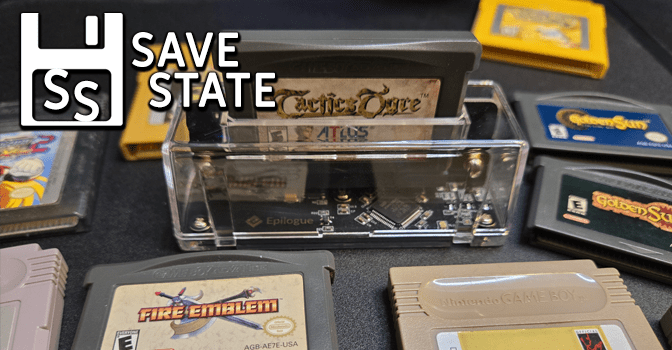 So, if emulation can cause issues like with the Mega Man X Legacy Collection, why would developers choose emulation over other options? Well, many game developers in the 90s straight up overwrote their old code after shipping a game, which is why the source code for so many titles in the 90s and early 00s was lost over the years, never to see the light of day again. Most people probably won’t care about those minute differences, but modern-day game collections, even by storied developers, are often shipped with a “it’s good enough” since it’s viewed less as art and more of a product. Those who prefer more accuracy in retro gaming might get into MiSTer or other FPGA devices like Analogue’s Super NT, Mega SG, or Pocket, but that’s enthusiast hardware that could fill its own column (like I did for Epilogue’s GB Operator).
The reason video game source code is so important to preservation is because it’s like a recipe that makes recreating or modifying that title easier for future generations and for future projects. Imagine you were making a cookie: If I gave you the recipe for my family’s chocolate mint chip cookie recipe, you stand a much better chance at recreating that specific flavor profile of cookie. Conversely, if I handed you an already-baked cookie, would you be able to recreate the exact amount of each ingredient and the temperature at which to bake the dough? Probably not, unless you’re a gastronome extraordinaire having an A Beautiful Mind moment.
A compiled program isn’t easily reversed back into its source code, which is why a lot of guesswork may go into figuring out particular systems, and sometimes the developers at the same company may not get it right on a rerelease. This can lead to games running worse than their first release (such as what may have happened with Tales of Symphonia where it ran at 60 frames per second on GameCube), but each subsequent version from PS2, PS3, and even the modern remaster are all stuck at 30fps. Still, though, having access to ones like these on modern platforms, even if they’re imperfect, is still valuable because newer players can still at least enjoy cross-generational game design.
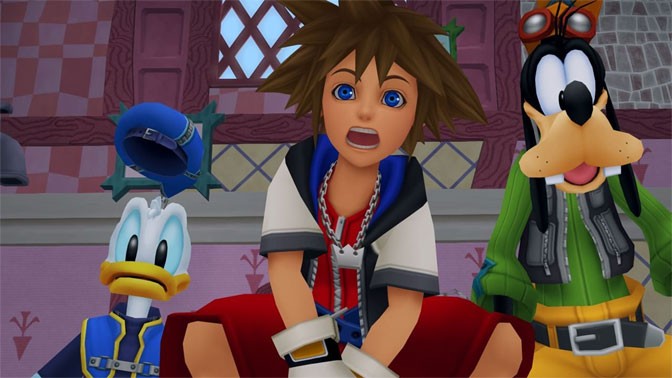 This isn’t to say that all remasters or collections have that level of compromise, though. Sometimes those rereleases are basically the same game but with better quality of life too, such as Square Enix’s Kingdom Hearts remasters for PS4 and beyond. They didn’t do a whole lot to update the titles, but they at least improved the camera control to be something modern audiences would expect. Those who played games in the PS1 and PS2 era will remember when every other one, for one reason or another, either used the shoulder buttons to rotate camera or had the camera movement inverted. It was the wild west back then, and we didn’t even have two-stick camera controls figured out yet!
Japan also seems to have their own particular hurdles when it comes to the preservation of games. The 90s and 00s were subject to a lot of time-exclusive events, like the recently surfaced PokePark Fishing Rally DS cartridge that popped up out of nowhere. This incredibly rare game cartridge distributed a special, temporary Pokemon-themed fishing title to the DSes of theme park visitors in 2005, and this resurfaced cartridge was promptly slabbed by grading company PSA without any actual attempt to archive the data on it. So, a rare DS game will pretty much just sit in a plastic case for the next decade or two, likely succumbing to bit rot over time. I’m not going to soapbox against grading culture being anathema to the enjoyment of collecting or anything, at least not in this article now, but it’s maddening that a piece of gaming history may wind up never being properly preserved (unless probably ponying up a hefty sum).
 So we get, conceptually, what these remasters, remakes, and collections are good for: Showing older games to a newer audience, making a definitive version, and brazenly appealing to nostalgia. That being said, it’s really fun watching younger gamers finally play Starfox on Switch 2 and discovering why their parents would blurt out, “Can’t let you do that, Starfox” when they’re trying to get away with something. It’s like seeing kids goof around and play happy birthday on their ocarina before bashing Ganondorf in Ocarina of Time and also seeing teenagers play Halo’s campaign for the first time. It’s very neat and surreal to watch younger generations play a version of a title you loved as a kid but now its graphics actually match what you thought that game looked like back then!
Unfortunately, we have more and more games nowadays that get released and subsequently are lost to time, even if they have good elements about them. Things like Babylon’s Fall and many of the “live service” type come to mind where the game may have a neat combat system but oppressive monetization, and once its servers are taken offline for a lack of profitability, it is effectively unplayable forever. Some examples of these include Dragalia Lost, Mario Kart Tour, The Crew, MAG, Warhawk, and the original disc copy of Destiny 2 (as a lot of its story content was sunset so those are basically coasters now). Some may say, “Well, if the game was bad, I don’t care that it’s gone,” but I feel like every single one of us likes at least one bad title- so I kind of feel like quality shouldn’t be a strike from a preservation standpoint.
 This is the reason why I hold games like Mega Man XDive Offline in such high regard, as well as Final Fantasy: Resonance, Octopath Traveler 0, and other similar mobile game conversions. Many of these aren’t perfect translations of the live service mobile counterparts, but FF Resonance adapts a lot from Brave Exvius, and I feel these titles do a great job in preserving the stories and gameplay without leaving them lost to the ether for anyone who didn’t experience them right in the moment. They’re not precisely 1:1 conversions, but they’re oftentimes done well enough that people can still get similar levels of enjoyment from Octopath 0 as they could Octopath: Champions of the Continent. Which, this should say something since both FF Resonance and Octopath 0 are Square Enix conversions from mobile games-as-a-service, making this a far cry from the same Square Enix that shuttered Babylon’s Fall in just under a year from its release!
What I’m saying is, we’ve come a remarkable way from the era of the 80s-00s where game developers might literally overwrite their projects with the sequel the moment the previous game was shipped out the door. The preservation of classics is catching up to a lot of developers, and some are even putting in the extra effort to convert their more ephemeral mobile titles into fully released games. I don’t know if it’s misplaced, but this action gives me hope. It could also be the fact that Final Fantasy Resonance is just so cool that it’s temporarily blinding me to the hideous underbelly of the modern games industry, but for now, at least, I will choose to hope.
I will hope in no small part because of the belief that games are art and art is worth preserving and showing to new generations. Even Nintendo seems to think so since they’re reportedly hiring an individual for the sole, specific purpose of maintaining and organizing technical records, engineering docs, and institutional knowledge related to their old systems, titles, and processes. It would be super neat if they could chronicle the technical hurdles developers had to jump through in order to fit a game onto a 6 MB cartridge, since optimization is basically a lost art in this day and age.
 And so, 2026 may be recorded as the year of the remake (and GTA 6), but after thinking about it for a while, I still think it’s pretty cool that older gamers can reexperience games from their childhood but with way higher visual fidelity and show their kids what they loved about those favorites too. Zelda: Ocarina of Time basically being a teaching vehicle for older developers at Nintendo to instill game design techniques into newer developers is pretty cool as well. Games are neat, old ones especially so, and I think it’s wonderful when younger players get to experience the magic of Ocarina of Time or for the Xenoblade Chronicles and Yakuza Kiwami to reach larger audiences with their remasters/remakes. Even in terms of emulated collections, it’s always better to play Mega Man X in whatever fashion you’re most comfortable with than to never experience its brilliance in game design at all.
That being said, I think it’s time to bring this entry of Save State to a close. Always remember that you can learn a lot about a person by the way they strangle you. See you in two weeks!