
Welcome back to Save State, where we continue our journey through the Star Ocean.
I’ve had a copy of Star Ocean: The Second Story R for a while and had been playing it off and on since my March column about the remaster of the first game in the series. Recently, Square Enix released a Nintendo Switch 2 Edition of The Second Story R, but imagine my surprise when yet another Square Enix Switch 2 release arrived with no upgrade path for those who already owned the Switch version. The save files are also incompatible with the Switch 2 version.
 Honestly, the stated improvements were not appealing enough to warrant spending another $50 on the title when I already owned it. Since I was already a good way into Star Ocean 2, I decided to continue playing my Switch version on my Switch 2, where it both looks and runs good enough for my eyes. Outside of my frustration with how Square Enix handled the Switch 2 version, Star Ocean: The Second Story R still holds up as the best version of the best Star Ocean game, in my opinion.
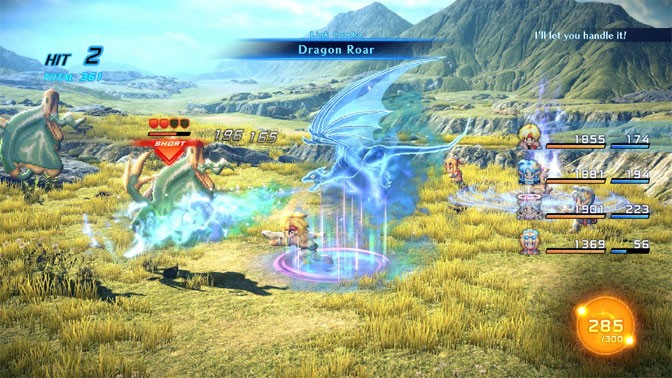
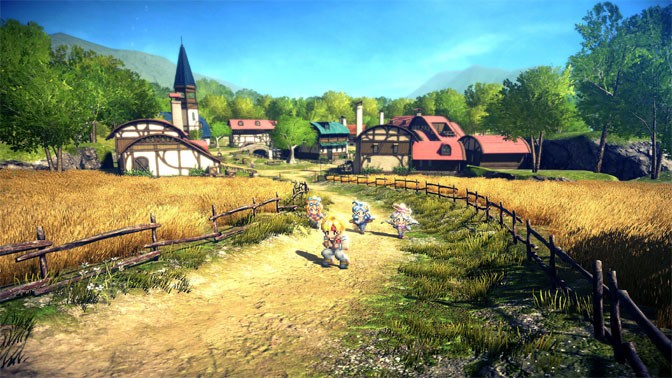
The Second Story R is a full remake unlike First Departure R, which was more of an enhanced port. The gameplay has been improved, and the visuals have the gorgeous HD-2D look Square Enix popularized with Octopath Traveler, where beautiful spritework is juxtaposed with realistic lighting and exquisitely rendered 3D environments.
The story of Star Ocean: The Second Story R is old-school in composition, but it still plays incredibly well compared with today’s games because it was so ahead of its time back in 1998.
Claude C. Kenny, son of Admiral Ronyx Kenny from the first Star Ocean, touches an alien artifact he was specifically told to leave alone. This unfortunate act of disobedience warps Claude to an underdeveloped planet called Expel, where monsters and beings with pointed ears exist. Soon after his warp debacle, Claude discovers a girl named Rena under attack by a monster and uses his phase gun to dispatch it, immediately causing her to believe he is some kind of predestined hero from Expellian legend.
 Claude, stranded on that planet with no way to reach his father or the Pangalactic Federation, decides to help Rena find her biological parents and solve the mystery of the Sorcery Globe, an ancient device that seems to be the source of monsters all across the world. The story likely sounds a little dated nowadays, but the presentation and characters make the adventure incredibly charming.
It’s also worth noting that players choose which protagonist they want to play as, which changes the perspective of many cutscenes. Claude’s side gives more information about how things work with the Pangalactic Federation, while Rena’s side shows more character backstories and lore about Expel. You can’t go wrong with either protagonist for a first playthrough, and both characters will almost always be usable in your party.
Speaking of party members, Star Ocean 2 continues the series’ tradition of having a large number of playable characters. Your endgame squad will consist of eight of the 12 total playable characters, with several characters being exclusive with one another or requiring specific actions to recruit. Thankfully, there does not seem to be anything as complicated as recruiting Erys in First Departure, though Opera Vectra requires players to finish her side quest in order to keep her in the party. That is made easier in this version since side quests are viewable from the world map. Each character also has their own gear, skills, and play style, which helps keep combat fun.
In terms of combat, Star Ocean: The Second Story R is a considerable improvement over First Departure in nearly every way.
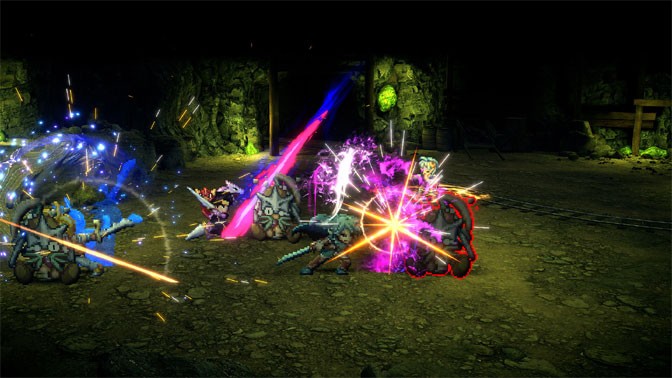
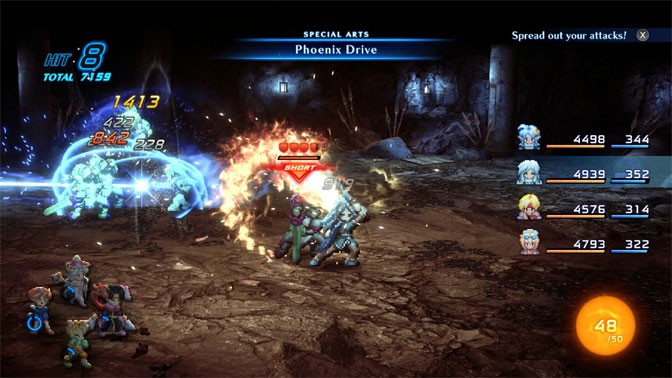 The fighting in this is much closer to the Tales series, as players can mash attack and use special abilities just like in the original 1998 PlayStation release. However, this version introduces regular attack combos, Just Counters that recover MP and warp you behind your opponent if you backstep an attack with perfect timing, a break mechanic, and the ability to summon reserve characters to perform special attacks.
Those reserve attacks can help you recover when you are on the back foot or continue your combo against a boss. The remake also introduces a Bonus Gauge that provides customizable benefits, such as increased damage or EXP gain, until one of your characters gets knocked out or you mistime a perfect counter. The combat in Second Story R is much faster and more engaging than previous releases, and I find that these additions make the moment-to-moment gameplay much more interesting.
On top of the combat improvements, the new character portraits fit the HD-2D visuals quite well, though you can switch back to the Second Evolution or original character portraits at any time. The English voice acting from Second Evolution, the PSP version of Star Ocean 2, has been brought over in its entirety. There are also two Japanese dub tracks: the PSP release’s Japanese voice-over and an entirely new voice track created for Second Story R by the original voice actors from the 1998 PlayStation release.
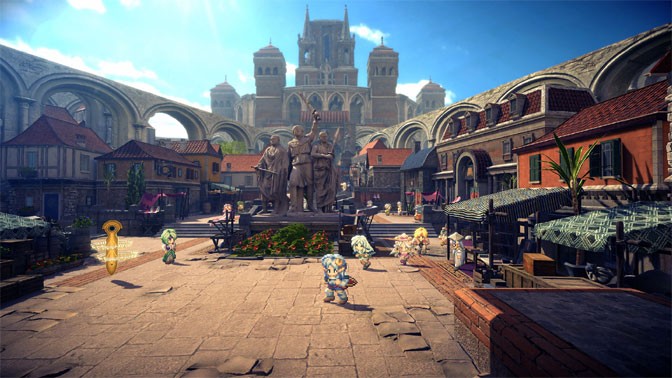 So, fans of Japanese voice acting get two amazing options, while English dub enjoyers can listen to the voices of Shinji Ikari and Estelle Heurassein portray Claude and Rena, respectively. Private Actions also return from the first Star Ocean. These are moments when players can revisit towns and speak to party members to learn more about them.
My main complaint with First Departure was that Private Actions were incredibly opaque and difficult to find without a guide. Thankfully, Second Story R makes massive improvements on that front by making it much more obvious when party members have something to say. You no longer need to strictly follow a guide to avoid missing 90% of your party interactions because you did not know to return to a specific town at a specific time.
That is a pretty major accessibility improvement overall.
 A guide can still make things easier, and you will likely want to peek at one at least once if you plan to fight the true final boss. But the remake does a much better job helping players experience the character moments that make the adventure so memorable. On top of that, Second Story R boasts a ton of quality-of-life improvements.
The remake greatly reduces the need to grind levels, makes Private Actions visible on the world map when available, makes Item Creation easier to understand by showing values that were originally hidden from players, and it even adds fishing in a way that feels consistent with the original PlayStation classic.
That is not even the full extent of the improvements. Players can now fast travel to any town or dungeon from almost anywhere, and they can see party friendship levels on the status screen instead of having to guess.
 I had a fantastic time replaying Star Ocean: The Second Story R, even if it took me a few months to finish between work and other review responsibilities.
With that said, I think it is time to bring this entry of Save State to a close. Join me in two weeks, when I will likely complain about more questionable publisher decisions and also gush about an older title for a while. See you then!