
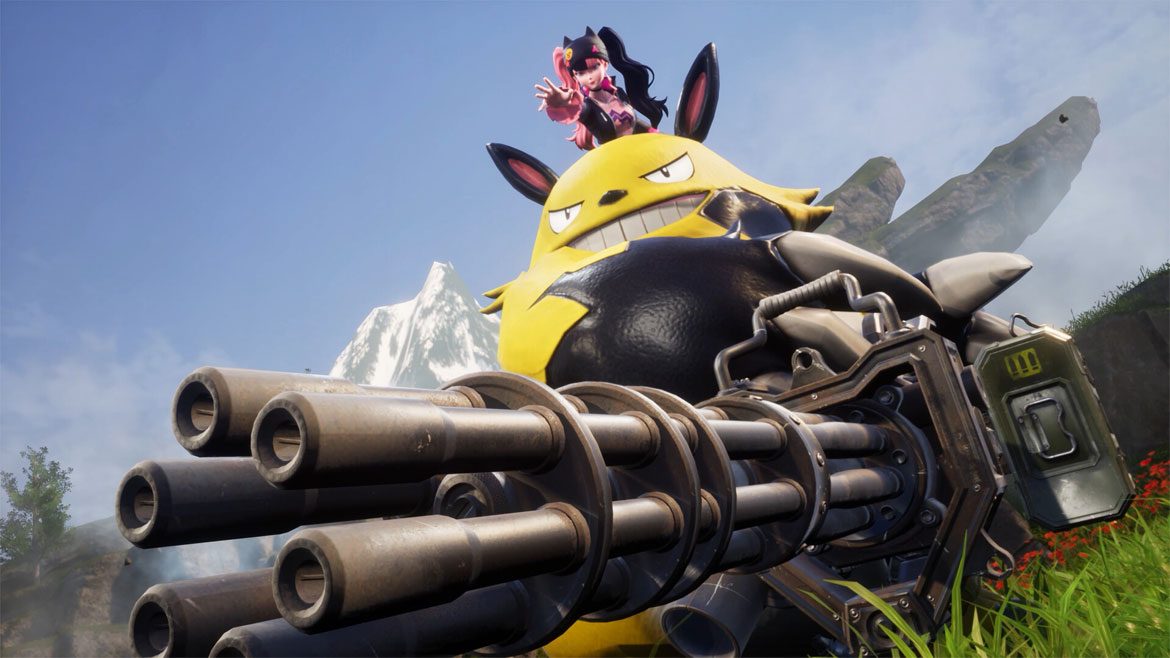
Longtime readers know I fell in love with Palworld, and that I currently enjoy it more than the recent Pokemon titles. Developer Pocketpair’s official 1.0 release recently arrived, and I could not be happier for the studio. I think they have earned their success.
I am also grateful that Ledgerbound got pushed back to August because that gave me time to fully indulge in more monster-catching action. Columnist Vincent Mahoney and I even started another multiplayer playthrough like we did when Palworld first released.
The 1.0 launch did not disappoint me in any way, shape, or form. You can find it on Steam and for the Xbox Series X and PlayStation 5 consoles.
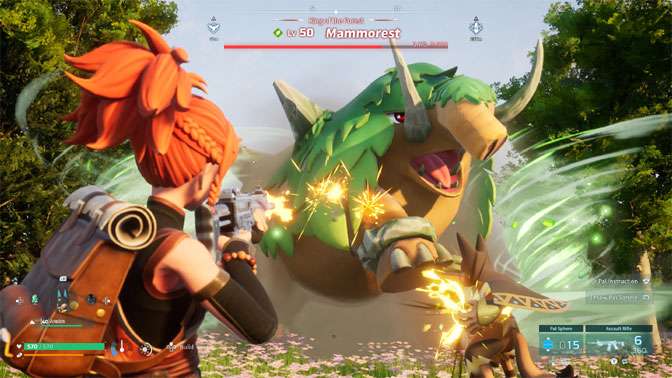 So many new Pals were introduced in Palworld 1.0, and a few even received amazing redesigns. My favorite redesign was the little grass rabbit Verdash. Before, it felt a little too familiar in a general monster-collecting sort of way, but the new look gives it much more personality.
I do want to give a slight side-eye to Pocketpair because some of the Pals introduced in the 1.0 update seem designed for a very specific audience. Most notably, Sekhmet and Solenne appear destined to inspire fan art that will haunt the internet for generations. I am interested to see how those Pals will be illustrated in the upcoming Palworld card game.
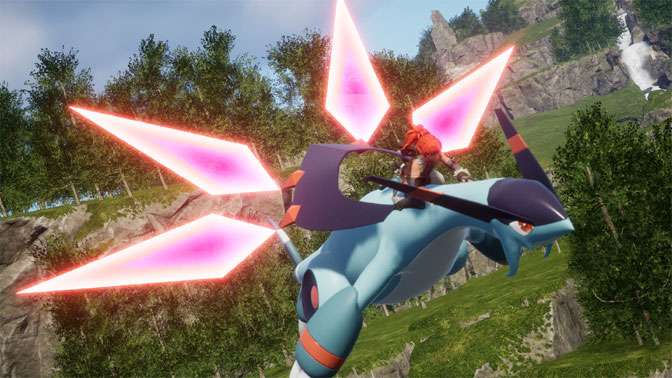 Outside of the new Pals, the 1.0 update introduced multiple quality-of-life improvements. Abilities were retooled to create a better balance between base Pals and battle Pals. The ability to build quarries for materials (such as quartz, coal, and sulfur) required by more complex recipes also cuts down on the grinding.
One of the best new structures is the Global Palbox. This handy device lets you move Pals between different saves, so you do not have to start completely fresh when moving between a single-player world and a multiplayer world where shenanigans have ensued. The Global Palbox is made even more helpful by the addition of optional ability glasses that show you the IVs (individual values) of both your own Pals and wild Pals.
Palworld also lowered egg-hatching times to help accelerate the gameplay. In earlier versions, the minimum hatch time was 15 real-world minutes and could reach as high as an hour. As a kindness, Pocketpair also now allows players fight raid bosses like Bellanoir Libero and Blazamut Ryu in an arena instead of inside their own bases.
Long ago, Vincent and I fought a regular Bellanoir in our base and defeated her. However, her goth-woman death laser also destroyed half of our base infrastructure, and it took an hour to rebuild. Having the option to fight oversized Pals away from your, let’s call it, labor-focused involuntary summer camp is a wonderful improvement.
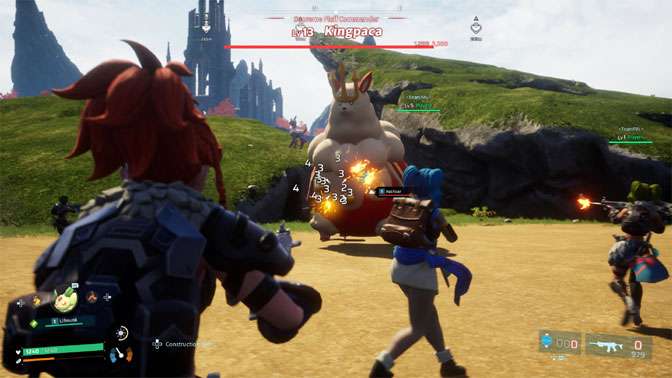 Players can now change many more game settings too, including instant egg hatching and the number of bases allowed per guild. This has allowed my longtime 7 Days to Die friend and fellow menace Russell to learn Palworld 1.0 at his own pace without being thrown into the deep end. He can have the space to create a base while still being able to fast travel to another one to grab supplies.
Palworld 1.0 also lets you hit Tab-R while in your base, which instantly stows any items that can be stored in a nearby box. Weighed down with too much ore? Don’t do a geriatric Ickey Shuffle to the chest on the other side of your base. Two buttons now fix that problem.
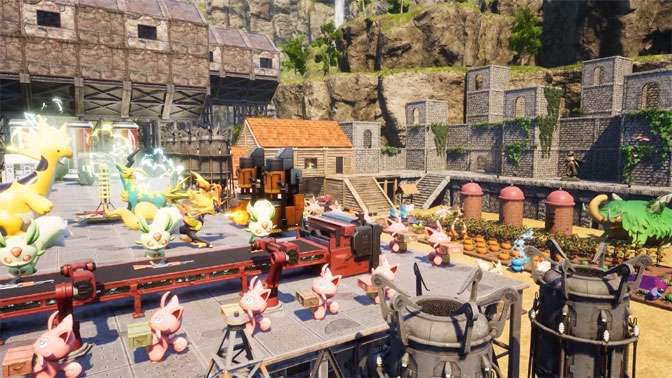 My point in all of this? There is no better time to grab Palworld than right now.
I know there is a certain contingent of people buying Palworld 1.0 to “stick it to Nintendo” but ignore those people. Palworld is fun, full of exploration, and worth every penny on its own merits. In fact, once I send this column in, I will be back in Palworld chasing down the equivalent of armed hippies with an assault rifle, an ice fox named Snowy Fatone, and a woman-spider hybrid I named Fanart Shelob.