
Hello readers. I hope you all had a good Memorial Day weekend. As much as I wanted to spend mine cooking out at my new place by the lake, Ohio had other plans. We got about five inches of rain in three days, and I also got hit with a nasty flu bug that I am still trying to shake. So, while I was stuck inside and not feeling my best, I decided to finally spend more time with a game that Chief Editor John Breeden has wanted me to dig into for a while now: Star Wars Outlaws. This is one of those titles that has become oddly polarizing among both gamers and Star Wars fans, which made me even more curious to see how it actually felt now.
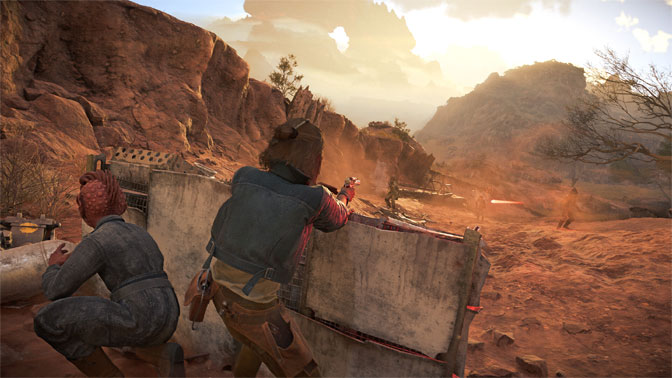 I had played about three hours of Outlaws a few years ago before setting it aside for other things. And like a lot of big open-world games, once you leave for that long it can be hard to find your footing again. So, I started Star Wars Outlaws over from the beginning. Replaying the tutorial was actually more enjoyable than I expected. The opening stealth sections felt less obtuse the second time through, and I had a better grasp of what it wanted from me. That said, the stealth still has some rough edges. There were moments when what should have been a clean stealth takedown seemed to alert enemies anyway, which made those sections feel a little unpredictable. It is hard to feel sneaky when the game sometimes seems to decide on a whim that you are now in a full Imperial firefight.
The early Toshara section worked better for me than I expected. It is very much built on that familiar Ubisoft structure of going to a place, doing a mission, and uncovering more things to do, but within that framework Outlaws does a decent job of making the world feel alive. Riding around on the speeder was one of the highlights for me. Jumping hills, weaving through the environment, and occasionally getting into shootouts added some welcome energy, especially after the slower stealth-heavy parts. Outlaws does a good job of capturing the visual feel of Star Wars, and Toshara in particular gave me enough of that adventurous, scrappy edge-of-the-galaxy atmosphere to keep me interested for a while.
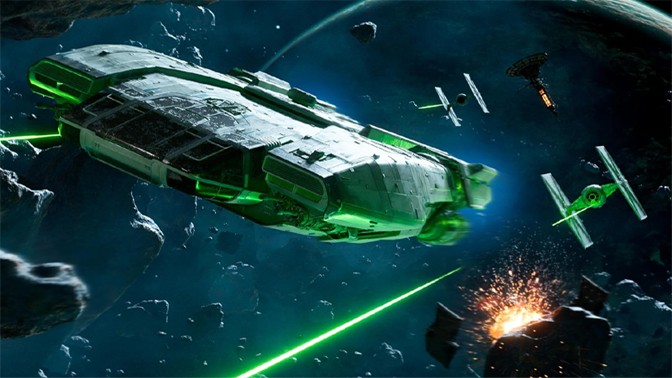
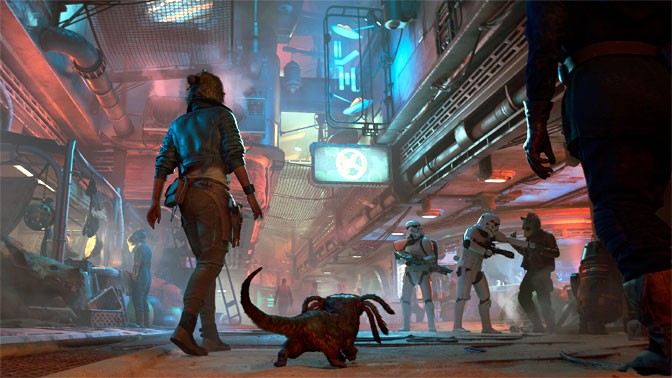 That said, once the initial excitement wore off, some of its limitations became easier to notice. I was hopeful that things would open up more once I got access to space travel, but that part of the experience felt more like a grind than a real leap forward. Flying around looking for items and leads had its moments, but it never felt especially compelling. Eventually I pushed the story ahead and traveled to Kijimi, which ended up being a bit of a surprise. Rather than giving you a broad planet and surrounding area to explore, it mostly narrows down to the city itself. That shift made Outlaws feel a little smaller than I expected. It reminded me a bit of the feeling of going from Dragon Age: Origins to Dragon Age 2, where the scale of the world suddenly feels more constrained even if there are still things to do.
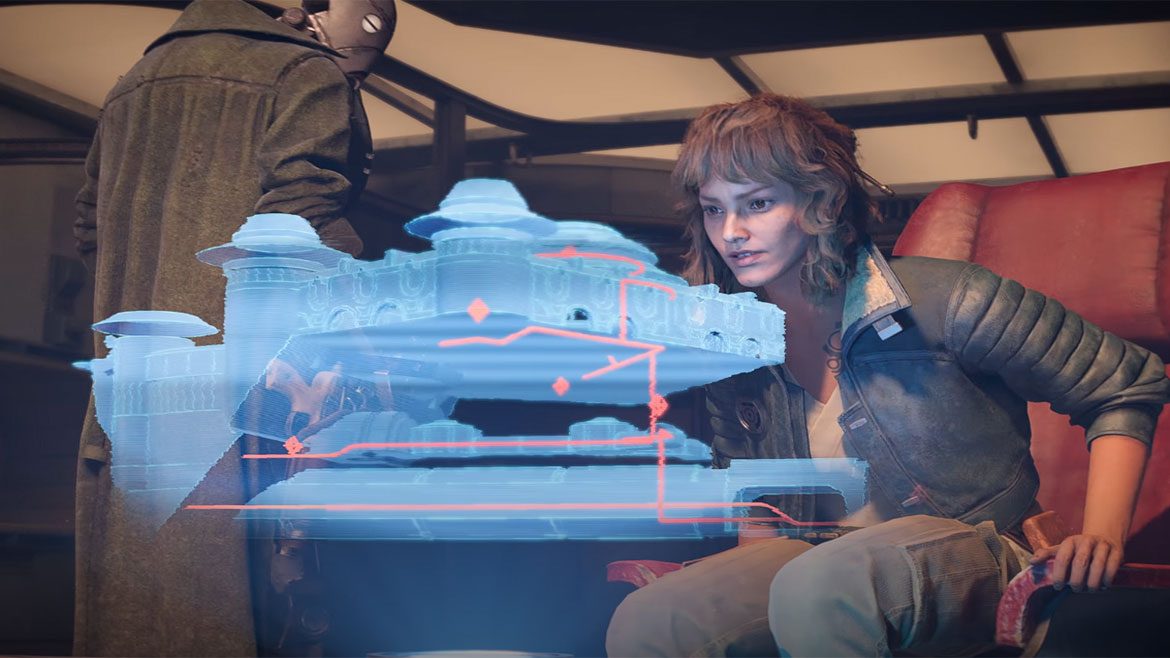
I eventually met the safecracker Ank through the story and brought her into the crew, and that is where I started to notice one of the game’s bigger weaknesses. Outlaws keeps introducing people, situations, and story hooks that seem like they should matter a lot, but many of them fade into the background pretty quickly. Outside of a few blaster upgrades and some mission-specific utility, bringing new crew members aboard did not really change the core gameplay very much. Most of them ended up feeling more like background flavor than meaningful additions, with the main exception being your droid companion KD-5, who has a much more active role.
 The syndicate reputation system is another example of something that sounds more important than it actually feels in practice. On paper, having to balance the happiness of different criminal factions should create tension and force interesting choices. In reality, it never felt like a major gameplay issue in Outlaws during my time with it. I could make choices during jobs, sell intel, and generally move things around without ever feeling like the system was really putting much pressure on me. It is there and adds some texture, but it never became the big dynamic force I expected it to be.
I also ran into a few technical issues, which was disappointing given how much time has passed since its launch and how many updates Star Wars Outlaws has received. One story mission bugged out badly enough that I had to reload my save multiple times before the speeder bike would even appear correctly. I also had to restart the PlayStation to clear up one issue. None of that made it unplayable, but it did add to the sense that Outlaws is a little rougher around the edges than it probably should be by now.
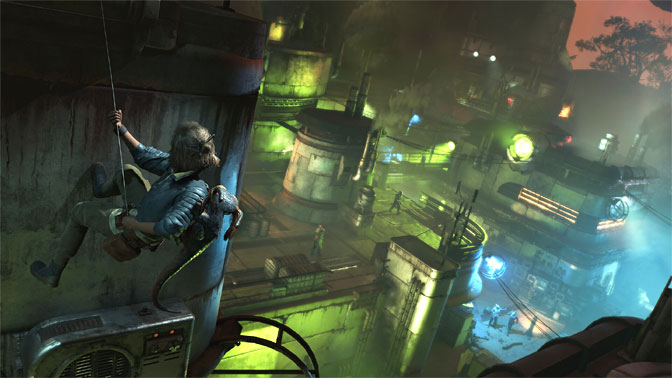 My overall take is that Star Wars Outlaws is not nearly as bad as some people made it out to be, but it is also not some hidden masterpiece that got unfairly dismissed. The best way I can describe it is that it feels wide in scope but shallow in execution. There are a lot of places to go, systems to interact with, and story threads to tug on, but too many of them only get explored at a surface level. Interesting characters show up, seem like they are about to matter, and then drift away. Promising ideas appear, then never quite develop. Nothing about it is outright terrible, but not much of it digs deep enough to become truly memorable either.
In the end, Star Wars Outlaws feels like it has a lot of solid parts that never fully converged into something special. I had a decent time with it, especially while I had the flu and was looking for something easy to settle into, and I can see why some players enjoy it more than its reputation would suggest. But I can also understand why others came away disappointed. There is fun in Star Wars Outlaws, and there is certainly some Star Wars atmosphere worth enjoying, but too much of the experience stops at “fine” when it could have been much more.